AfriqueUnie
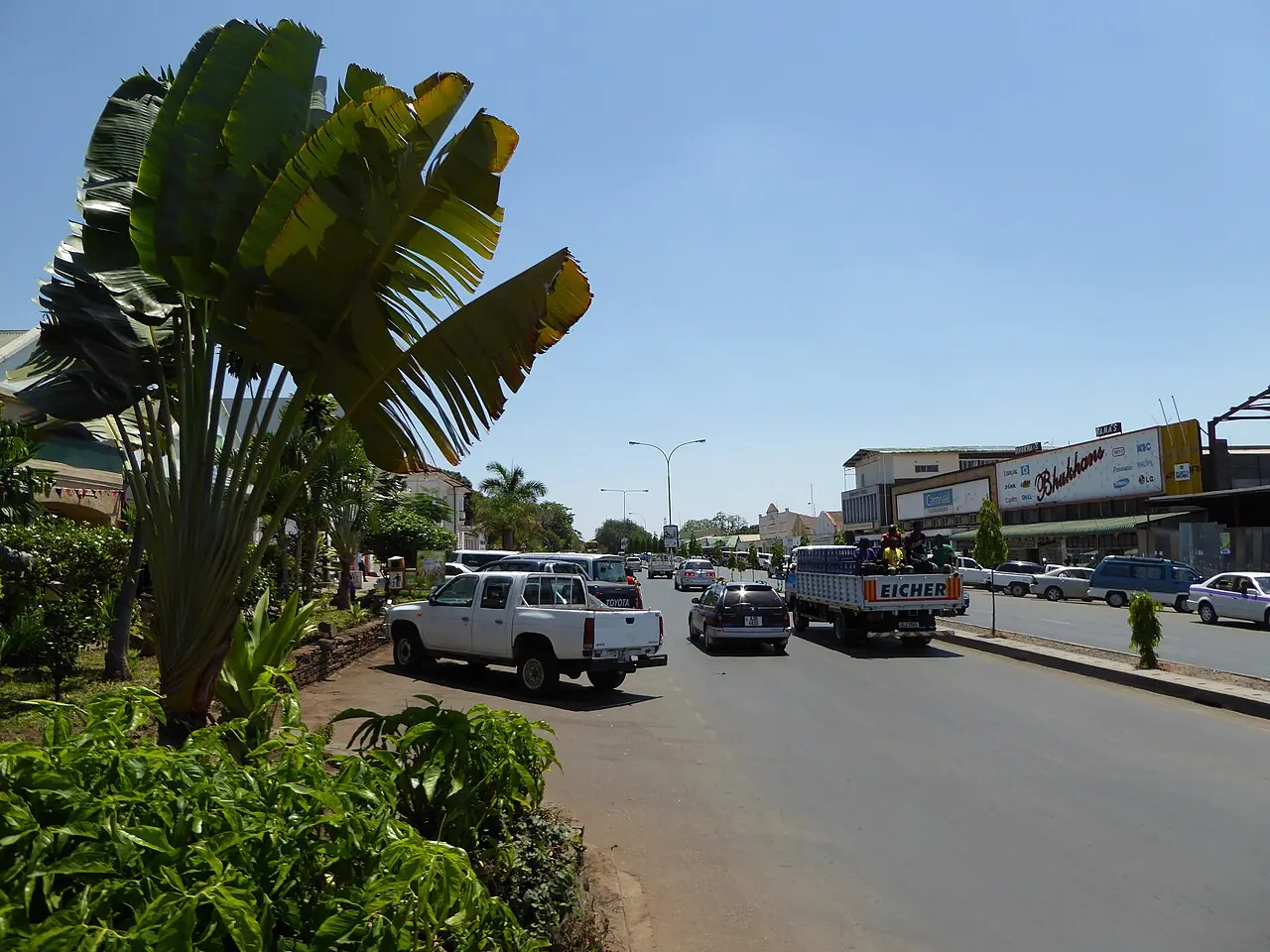 Photo: cowbridgeguide.co.uk · CC BY 3.0
Published by Adama Doumbia, founder of Afrique Unie · updated 28 November 2026 · our method and sources
Why visit Livingstone?
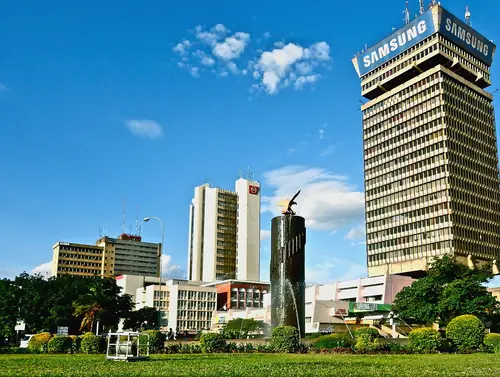
On the Zambian side of the falls, Livingstone has kept something of the small colonial town it once was, capital of Northern Rhodesia until 1935. Its main street, Mosi-oa-Tunya Road, is lined with verandaed buildings, shops, banks and cafés, with a more relaxed, everyday atmosphere than its Zimbabwean neighbour, Victoria Falls. You will meet as many locals going about their business as travellers.
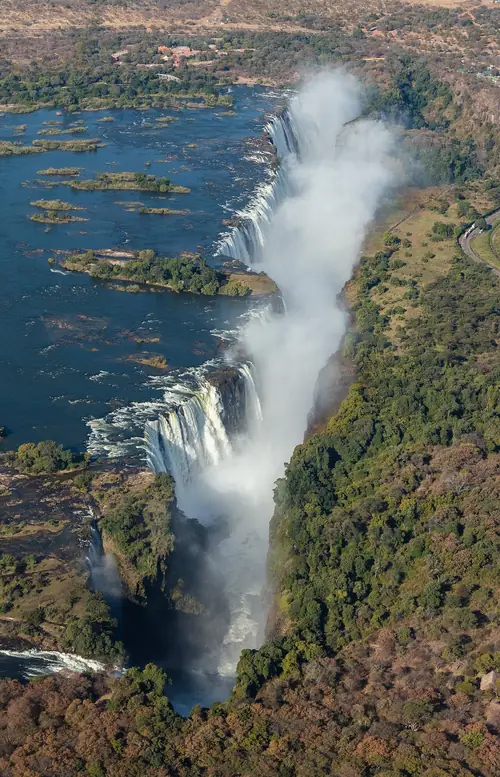
The falls are about ten kilometres from the centre. The Zambian side offers a different perspective from the Zimbabwean one: you walk along the very lip of the Eastern Cataract, cross the Knife-Edge Bridge in the spray, and can climb down to the Boiling Pot, at the foot of the bridge, where the river swirls. In the low season, Livingstone Island gives access to Devil's Pool.
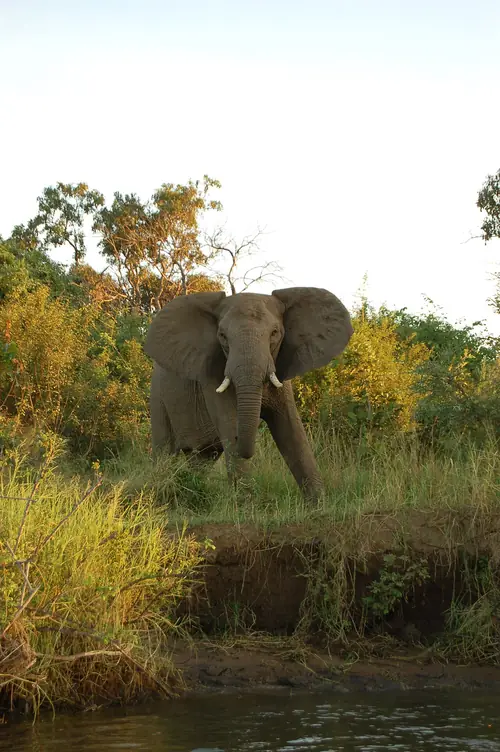
The Livingstone Museum, the oldest in the country, has archaeological and ethnographic collections as well as documents relating to David Livingstone. The small Mosi-oa-Tunya National Park, upstream of the falls, is home to giraffes, zebras and a few white rhinos, which you can approach on foot with rangers.
Things to do in Livingstone: 6 ideas
- 01The Zambian side of the fallsWalk across the Knife-Edge Bridge in the spray and climb down to the Boiling Pot.
- 02The Livingstone MuseumDiscover the country's history and mementos of the explorer.
- 03Rhinos on footApproach the white rhinos of Mosi-oa-Tunya National Park under the protection of rangers.
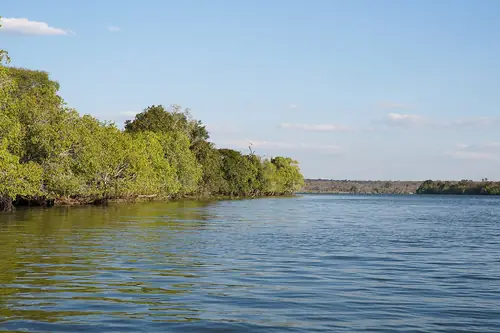
- 04A cruise on the ZambeziHead upriver above the falls at sunset.
- 05Maramba marketExplore the big local market, among fresh produce, fabrics and crafts.
- 06The surrounding villagesVisit a community village with a local guide and share a slice of everyday life.
Where to stay in Livingstone
The town centre offers cheaper accommodation, in hostels and guesthouses close to the restaurants. The most sought-after lodges are strung out along the Zambezi upstream of the falls, in a bush setting with terraces over the river and views of the islands. The road to the falls has a handful of big hotels close to the site. To combine both sides, Livingstone and Victoria Falls are only about twenty minutes' drive and a border crossing apart.
See places to stay in Livingstone
Frequently asked questions
How many days should you spend in Livingstone?
Allow two to three days: one for the Zambian side of the Falls, one for a river cruise, Mosi-oa-Tunya National Park and the museum, and one for an activity or the Zimbabwean side. In the low-water season, add half a day for Livingstone Island.
When can you swim in Devil's Pool?
Only when the Zambezi is low enough, usually between September and December depending on the river level. Access is only on organised trips to Livingstone Island, which should be booked in advance. Follow the guides' instructions to the letter: you are swimming right on the lip of the Falls.
How do you get from Livingstone town to the Falls?
The Falls are about 10 km from the centre: take a taxi (the French government considers Livingstone's taxis reliable) or your accommodation's transfer. Do not walk there: tourists have been attacked between the town and the Falls, whereas the site itself and the large nearby hotels are secure.
Is Livingstone safe?
Incidents are relatively rare, but the French government advises constant vigilance around Livingstone and on the road to the Falls, where sometimes violent attacks have been reported. Do not leave valuables unattended in your room, do not walk after dark and take a taxi in the evening.
Can you take home souvenirs found in nature?
Not without paperwork: in Zambia any object found in a park or elsewhere, even a bone, feather, stone or piece of horn, needs a certificate from the wildlife authority to be exported, or you risk heavy fines or even prison. Buy carvings, basketry and fabrics at the market instead, and refuse anything made of ivory or the skin of a protected species.
 Zambia