AfriqueUnie
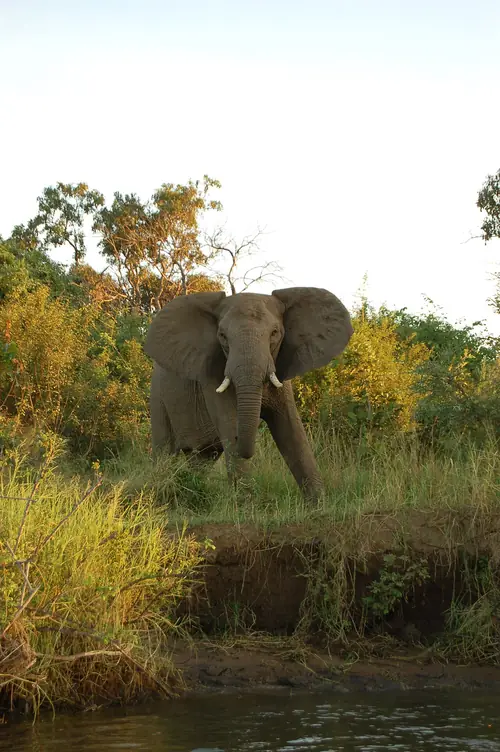
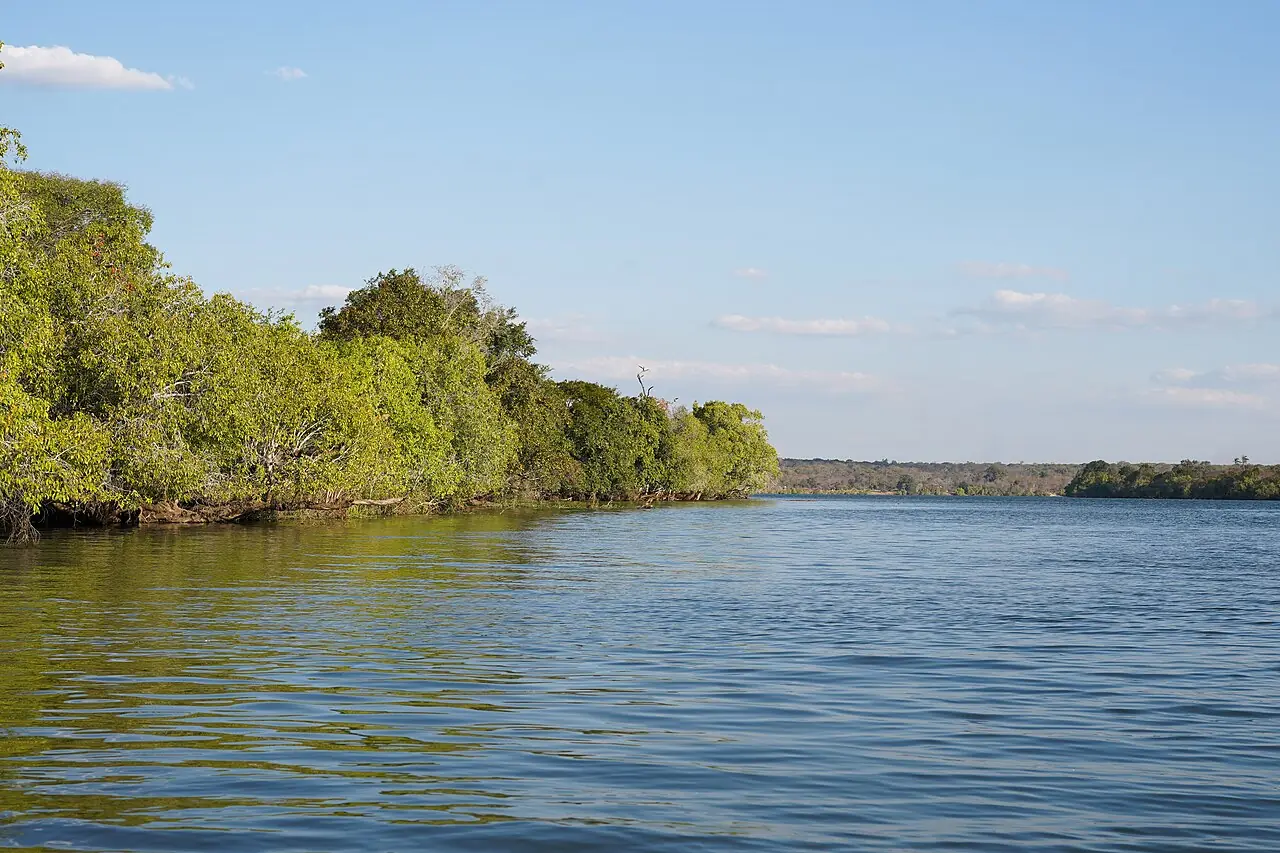 Photo: Timothy A. Gonsalves · CC BY-SA 4.0
Published by Adama Doumbia, founder of Afrique Unie · updated 28 November 2026 · our method and sources
Why go
With an area that ranks it among the largest national parks in Africa, Kafue sprawls across the heart of western Zambia, a mix of miombo woodland, rivers, grassy plains and swamps. Long neglected, it now benefits from more active management and is drawing more and more travellers in search of wide open spaces. Here you can drive for hours without seeing another vehicle, and the feeling of solitude is complete.
The park's great asset lies in the north: the Busanga Plains, vast grasslands flooded during the rainy season, which gradually dry out and are cloaked in golden grass. Here you will see huge herds of red lechwe and puku, lions that sometimes climb trees, cheetahs and many birds. Further south, Lake Itezhi-Tezhi and the Kafue River offer boat trips, and the woodlands shelter leopards, wild dogs, and sable and roan antelope. The diversity of antelope is remarkable.
Getting there
The park is a few hours' drive west of Lusaka, along a road that crosses it from side to side. The camps in the south and centre are reached by road, while the very remote Busanga Plains are generally accessible by light aircraft. The internal tracks are demanding and require a 4x4.
Frequently asked questions
How do you get to Kafue National Park from Lusaka?
The park is a few hours' drive west of Lusaka along the tarred Mongu road, which crosses it from side to side. The central and southern camps can be reached by car, while the Busanga Plains in the north are usually reached by light aircraft. Set off early, as official advice warns against driving at night in Zambia.
When can you visit the Busanga Plains?
The Busanga Plains are only accessible at the height of the dry season, roughly from July to October, once the floodwaters have receded. The rest of the year they are flooded or impassable, and the camps in the area are closed. The south and centre of the park can be visited from June to October.
Can you visit Kafue on a self-drive trip?
Yes, in a well-equipped 4x4, but the internal tracks are demanding and the distances considerable. Carry spare water, food and fuel, and never get out of your vehicle except in authorised places. Tsetse flies are present, so wear light-coloured clothing, avoid blue and black, and bring insect repellent.
What wildlife can you see in Kafue National Park?
Kafue is known for its variety of antelope, including red lechwe, puku, sable and roan. The Busanga Plains are home to lions and cheetahs, and leopards and wild dogs can be found in the woodlands. Boat trips on the Kafue River and Lake Itezhi-Tezhi complement game drives.
Can you take home a feather or bone found in the park?
Not without permission: in Zambia, any natural object found in a park, even a feather, bone or stone, needs a certificate from the wildlife authorities before it can be exported. Offenders face heavy fines or even prison sentences. The simplest approach is to pick nothing up.
 Botswana
 Eswatini