AfriqueUnie
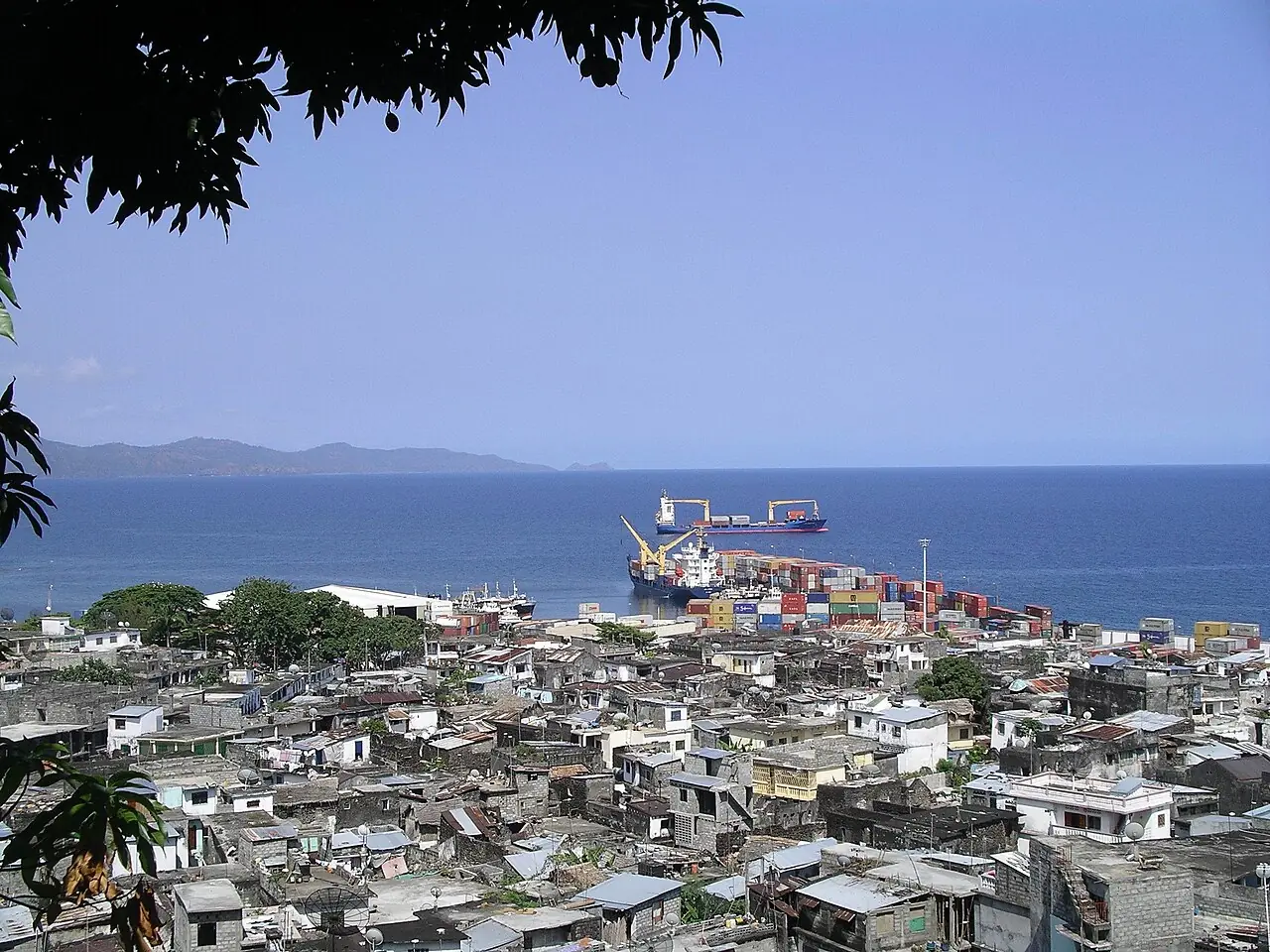 Photo: Peioma · CC BY-SA 3.0
Published by Adama Doumbia, founder of Afrique Unie · updated 28 November 2026 · our method and sources
Why visit Mutsamudu?
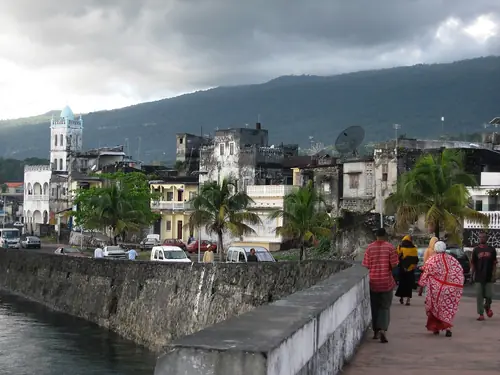
On the north-west coast of Anjouan, Mutsamudu is the island's main town and one of the finest medinas in the archipelago. Founded around the 15th century, it grew up as a trading port on the Swahili routes. Its labyrinthine lanes, stone houses with carved doors and old mosques form a remarkable ensemble, even if some of the buildings have suffered the ravages of time.
Above the medina stands the citadel, built at the end of the 18th century by the sultan to protect the town from Malagasy raids. From its ramparts the view takes in the rooftops of the old town, the harbour and Anjouan's lush green mountains. The sultan's palace and several mosques bear witness to the town's rich past.
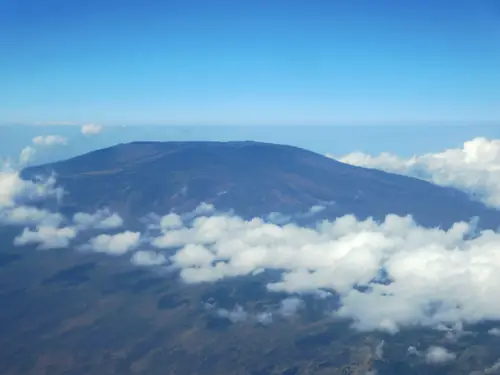
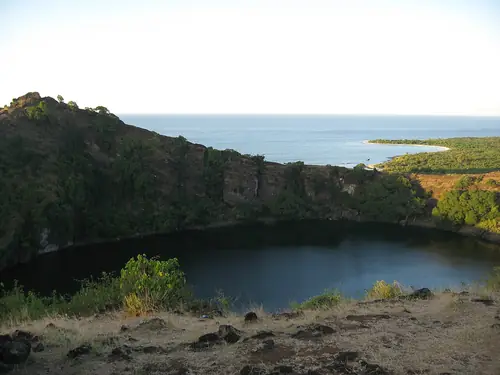
Anjouan is also the island of ylang-ylang, with small artisanal distilleries scattered across the interior. The mountains, covered in forest and crops, offer fine hikes to Lake Dzialandzé, nestled in a crater, and to the Tatinga waterfalls. The town of Domoni, on the east coast, is another of the island's historic stops.
Things to do in Mutsamudu: 6 ideas
- 01CitadelAn 18th-century fortress overlooking the medina and the harbour, with panoramic views.
- 02MedinaLabyrinthine lanes, old houses and mosques, best discovered with a local guide.
- 03Ylang-ylang distilleriesInland, visit the stills and the fields of flowers.
- 04Lake DzialandzéA crater lake in the heart of the mountains, reached on a hike.
- 05DomoniAn old historic town on the east coast, with its mosques and tombs.
- 06Moya beachIn the south of the island, a white-sand beach surrounded by hills.
A little history
Tradition dates the founding of Mutsamudu to the late 15th century, when the Swahili towns of the archipelago traded with the African coast, Arabia and Madagascar. Its sheltered harbour later drew European ships bound for India, which called here to take on fresh water and supplies. The sultans of Anjouan eventually moved their capital here from Domoni and built the citadel in the late 18th century to fend off raids from Madagascar.
In 1886 Anjouan became a French protectorate, and the archipelago was later attached to the colony of Madagascar in the early 20th century. The Comoros declared independence on 6 July 1975, without Mayotte, which stayed French. In 1997 Anjouan seceded; the crisis was resolved with the creation of the Union of the Comoros in 2001, followed by the 2008 intervention that restored central authority. Today the medina, the citadel and old houses such as the Ujumbe palace still bear witness to its past as a merchant town.
What to eat in Mutsamudu
Comorian cooking blends African, Arab, Malagasy and Indian influences, with coconut milk as the common thread. The most widespread dish is mataba, pounded cassava leaves simmered in coconut milk and served with rice, green banana or breadfruit. Fish, grilled or in sauce, and lobster, sometimes with vanilla, are the stars of the coast; pilao, spiced rice with meat, is the dish for celebrations.
On the streets you can try mishkaki (marinated meat skewers), samosas and mkatra foutra, a flatbread made with coconut milk. To drink, there is spiced tea, fresh fruit juice and coconut water. Alcohol is rare in this Muslim society. The simple eateries around the port, the market and small family-run restaurants are the best places to eat; during Ramadan the town comes alive mainly after the fast is broken.
Where to stay in Mutsamudu
Accommodation in Mutsamudu is limited to a few simple hotels and guesthouses, in the centre or on the heights above town. Homestays, arranged by local guides, offer a more authentic immersion. Outside town, a handful of eco-lodges and bungalows let you stay near the beaches or up in the mountains.
Getting there and getting around
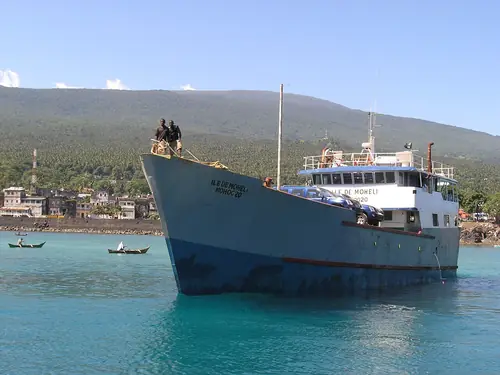
Ouani Airport (code AJN) is a few kilometres north-east of Mutsamudu, about ten minutes by taxi. It has domestic flights to Moroni (Grande Comore); flights to Mayotte depend on the period. Most ferry services do not meet international safety standards, and the French authorities recommend flying.
Locally, shared taxis serve the town and the island's roads; a vehicle with a driver makes trips inland easier. The currency is the Comorian franc, pegged to the euro: ATMs are scarce and cards almost never accepted, so bring cash, in euros to change if needed.
Neither the French authorities, who place the whole archipelago under heightened vigilance, nor the UK Foreign Office currently advises against Anjouan, but both urge caution: demonstrations, sometimes violent, can break out, particularly around elections. According to the French authorities, healthcare on the island is virtually non-existent, so repatriation insurance is essential. The dry season, from May to October, is the most pleasant; from November to April it is hot and humid, with a risk of cyclones.
See places to stay in Mutsamudu
Frequently asked questions
How many days do you need in Mutsamudu and Anjouan?
One day is enough for Mutsamudu's medina and citadel. Allow three or four days for the island: a hike to Lake Dzialandzé, a visit to an ylang-ylang distillery, Domoni and Moya beach. Leave some slack for inter-island flights, which are often rescheduled.
How do you get to Anjouan?
The easiest way is to fly from Moroni (or, at some times of year, from Mayotte) to Ouani Airport, close to Mutsamudu. Boats also link the islands, but their timetables are irregular and safety standards vary, which is why the French authorities recommend flying.
When is the best time to visit Anjouan?
From May to October, during the southern winter, the air is drier and cooler, ideal for hiking. The hot, humid season from November to April brings heavy rain and a risk of cyclones. Also check the dates of Ramadan, which changes the rhythm of daily life.
Is Mutsamudu safe?
The town is not among the areas official advice warns against, and crime remains low. The main risks are demonstrations, especially around elections, and poor healthcare. Keep away from gatherings and read your government's travel advice before you go.
 Comoros