AfriqueUnie
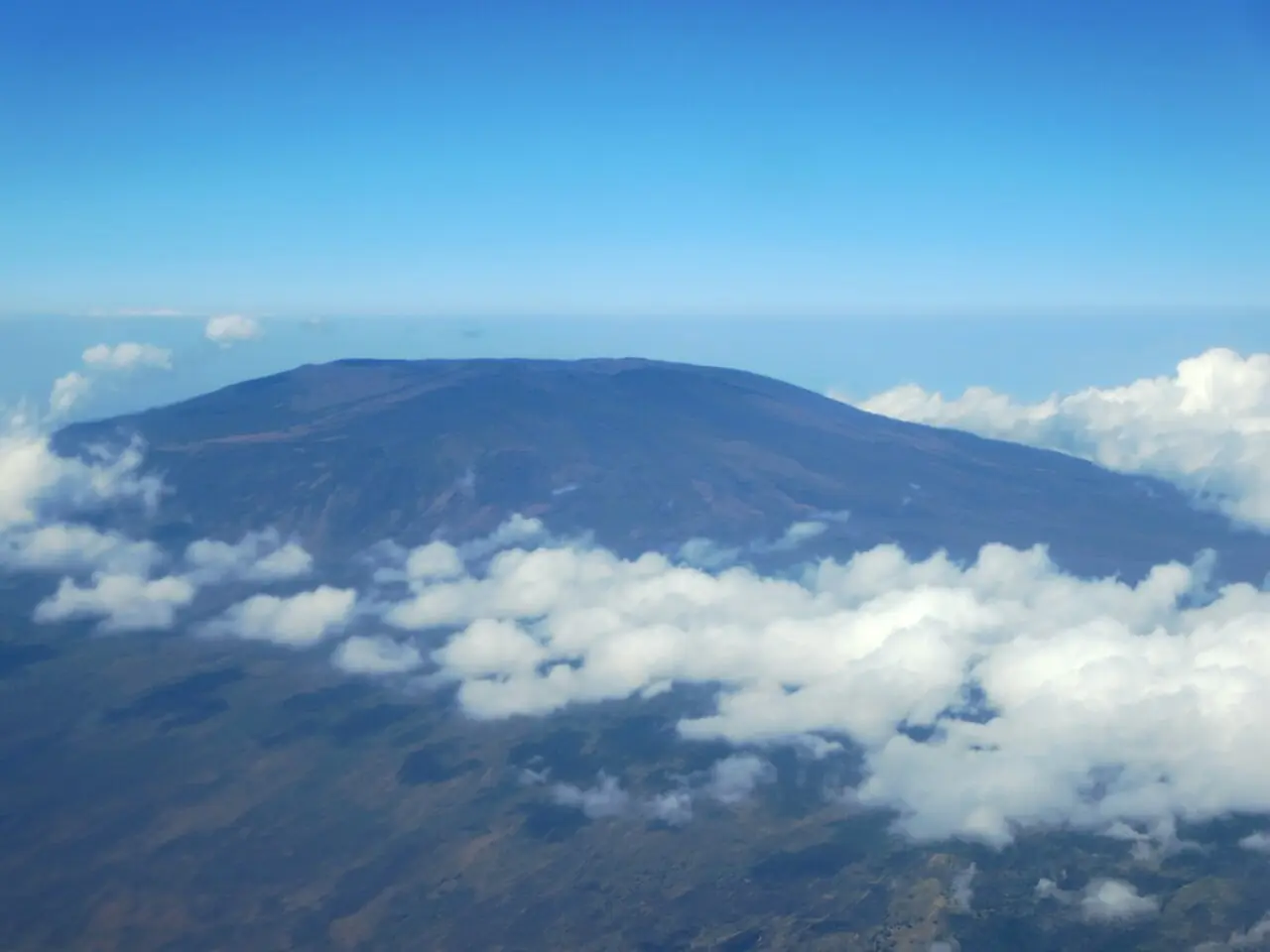 Photo: David Stanley from Nanaimo, Canada · CC BY 2.0
Published by Adama Doumbia, founder of Afrique Unie · updated 28 November 2026 · our method and sources
Why go
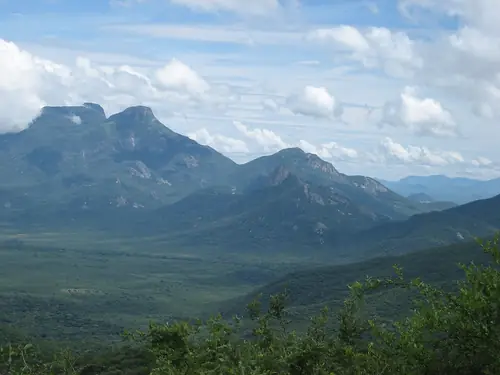
Mount Karthala towers 2,361 metres over Grande Comore. It is one of the most significant active volcanoes in the Indian Ocean, with a vast summit caldera several kilometres across, made up of nested craters. Its eruptions, the most recent in the 2000s, have at times blanketed Moroni in ash and disrupted life on the island.
The climb passes through several bands of vegetation: crops and villages on the lower slopes, rainforest rich in endemic birds and orchids, then high-altitude heathland and stark mineral landscapes near the summit. Reaching the rim of the crater, facing this lunar landscape of lava, fumaroles and coloured rocks, is a striking experience. On a clear day the view stretches all the way to the ocean.
Getting there
The climb usually starts from the villages of M'vouni or Boboni, a short distance from Moroni. Allow a long day's walk to reach the summit, with a night in a tent near the crater, then the descent the following day. A local guide is essential, as are porters if needed.
Frequently asked questions
How long does it take to climb Mount Karthala?
The climb usually takes two days: a long day's walk to the summit, a night under canvas, then the descent the next day. Some guides offer the round trip in a single day, setting off at dawn, but it makes for a very long and gruelling day. Hikes generally start from M'vouni or Boboni, near Moroni.
Do you need a guide to climb Mount Karthala?
Yes, a local guide is essential, and the French foreign ministry strongly recommends hiring an experienced one. The paths are poorly marked, mist can roll in quickly and the volcano has hazards of its own. Guides and porters can be found in the starting villages, such as M'vouni.
Is Mount Karthala dangerous?
It is an active volcano that last erupted in 2007 and saw renewed seismic activity in 2022, so the trip should be prepared like a high-mountain outing. The main risk at the summit comes from gas emissions, especially carbon dioxide, and steam explosions. The French foreign ministry strongly advises against camping inside the caldera and urges you to check that no alert has been issued before setting off.
When is the best time to climb Mount Karthala?
The dry season, from May to November, when the paths are less slippery. In the rainy season, mud and mist make walking harder, and cyclones can affect the islands early in the year. Set off very early in the morning to enjoy the views before the clouds build up.
What should you take to climb Mount Karthala?
Take plenty of water, as there is no spring along the route, and food for the whole trek. Pack sturdy walking boots, warm and waterproof clothing, a head torch, a tent and a sleeping bag, as nights at the summit are cold. A first-aid kit is essential, since rescue services are very limited.
 Mauritius
 Algeria
 Angola