AfriqueUnie
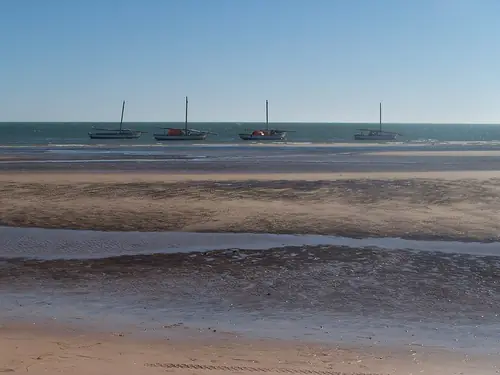
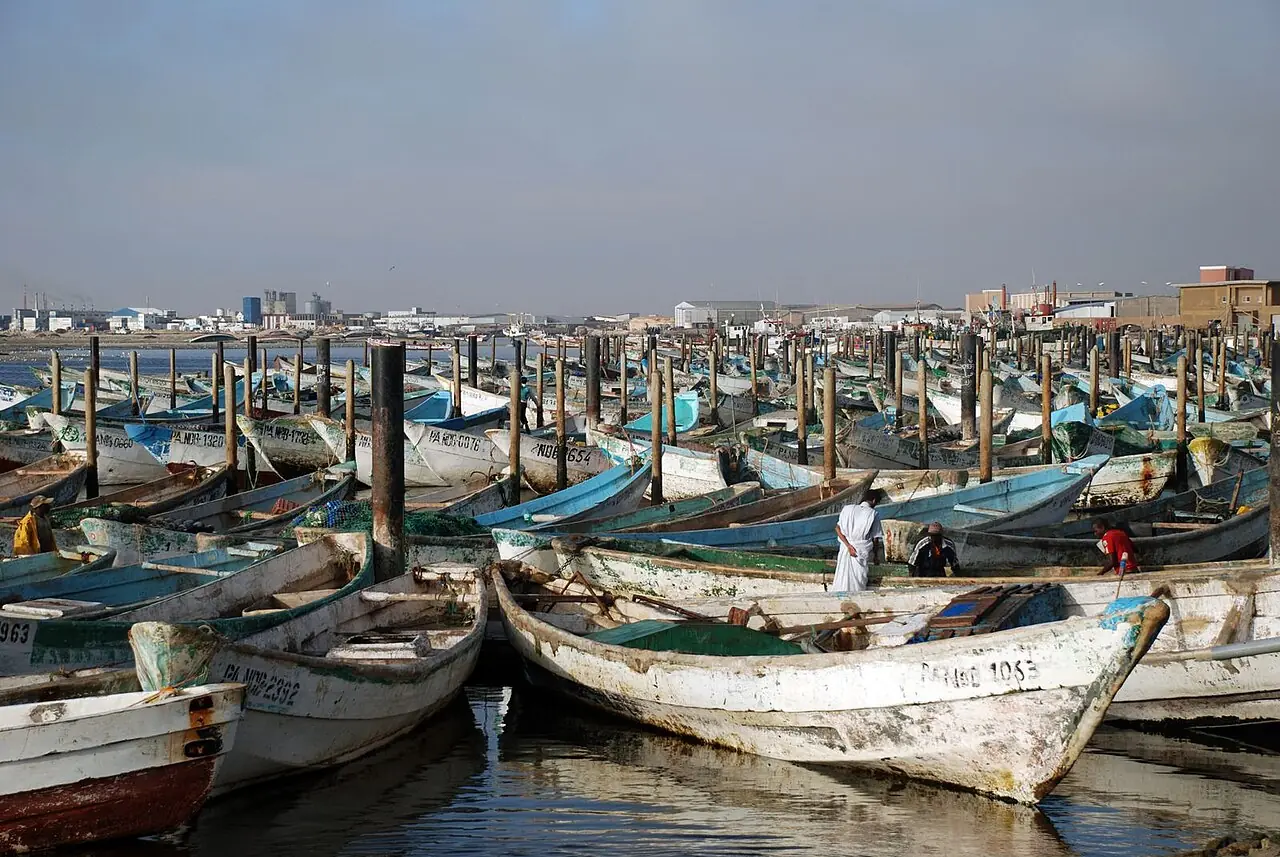 Photo: Bertramz · CC BY-SA 3.0
Published by Adama Doumbia, founder of Afrique Unie · updated 28 November 2026 · our method and sources
Why visit Nouadhibou?
Mauritania's second city, Nouadhibou sits on the Cap Blanc peninsula, a long tongue of sand and rock between the Atlantic and the Baie du Lévrier, on the border with Western Sahara. The former Port-Étienne was a stopover on the Aéropostale airmail route, where Saint-Exupéry spent time; today it is a town of fishing and iron ore, the end of the line for the famous train that hauls ore from Zouérat, with ports strung along the bay.
The town is no postcard, but its setting is striking: the desert runs straight into the ocean, the rusting wrecks long left in the bay made it one of the largest ship graveyards in the world, and the Cap Blanc reserve protects one of the last colonies of Mediterranean monk seals. The bay's waters, among the richest in fish on the coast, attract sport anglers and seabirds, and the Banc d'Arguin park is not far away.
Things to do in Nouadhibou: 5 ideas
- 01Cap Blanc reserveWatch the monk seals at the foot of the rocks from the clifftop, following the reserve's rules.
- 02The ship graveyardTake in the wrecks stranded in the bay, some of which have been removed in recent years.
- 03The fishing portWatch the canoes come in and the bustle of the fish market, one of the busiest in the country.
- 04The desert trainWatch the ore train pass as it links the coast with the inland mines; its route runs along a border area advised against except for essential travel, and riding anywhere other than the passenger carriages is illegal and dangerous.
- 05Baie du LévrierGo out on a fishing trip or watch the birds on the calm waters of the bay.
Where to stay in Nouadhibou
Most hotels and guesthouses are in the centre, near the airport and the shops, which is convenient for supplies and excursions. Cansado, the residential district to the south built for mine workers, is quieter and more spacious. A few camps and places to stay on the bay suit those who come for fishing or kitesurfing.
See places to stay in Nouadhibou
Frequently asked questions
How do you get to Nouadhibou?
A tarmac road of about 470 kilometres links Nouakchott with Nouadhibou; allow five to six hours, in daylight only, with frequent checkpoints. Domestic flights also serve the city. From Morocco, you enter through the PK55 border post, open during the day: the track across no man's land is lined with mines, so never leave it.
Is Nouadhibou safe?
The city is under heightened vigilance. France's foreign ministry advises against the border area between Nouadhibou and Zouérat except for essential travel, and the UK advises against all but essential travel within 25 kilometres of the Western Sahara border, excluding the city of Nouadhibou and the Nouakchott road. Stay on authorised roads and tracks because of landmines.
Can you ride the desert train from Nouadhibou?
The iron ore train has designated passenger carriages, but travelling anywhere else on the train is illegal and risks serious injury far from any medical facilities, according to the UK authorities. Its route also runs along border areas that France's foreign ministry advises against: the wisest choice is simply to watch it go by.
How do you visit Banc d'Arguin National Park from Nouadhibou?
The park has no tarmac road access: France's foreign ministry recommends travelling in two vehicles with experienced guides. Go through a recognised local guide or operator who knows the tracks and tides, and check the permits and entrance fees. October to April is the richest period for migratory birds.
What is the weather like in Nouadhibou?
Thanks to the ocean, the climate is much milder than inland, rarely very hot but often windy and cool in the evening. Pack a windproof jacket and a warm layer all year, plus protection against sand for desert outings.
 Mauritania