AfriqueUnie
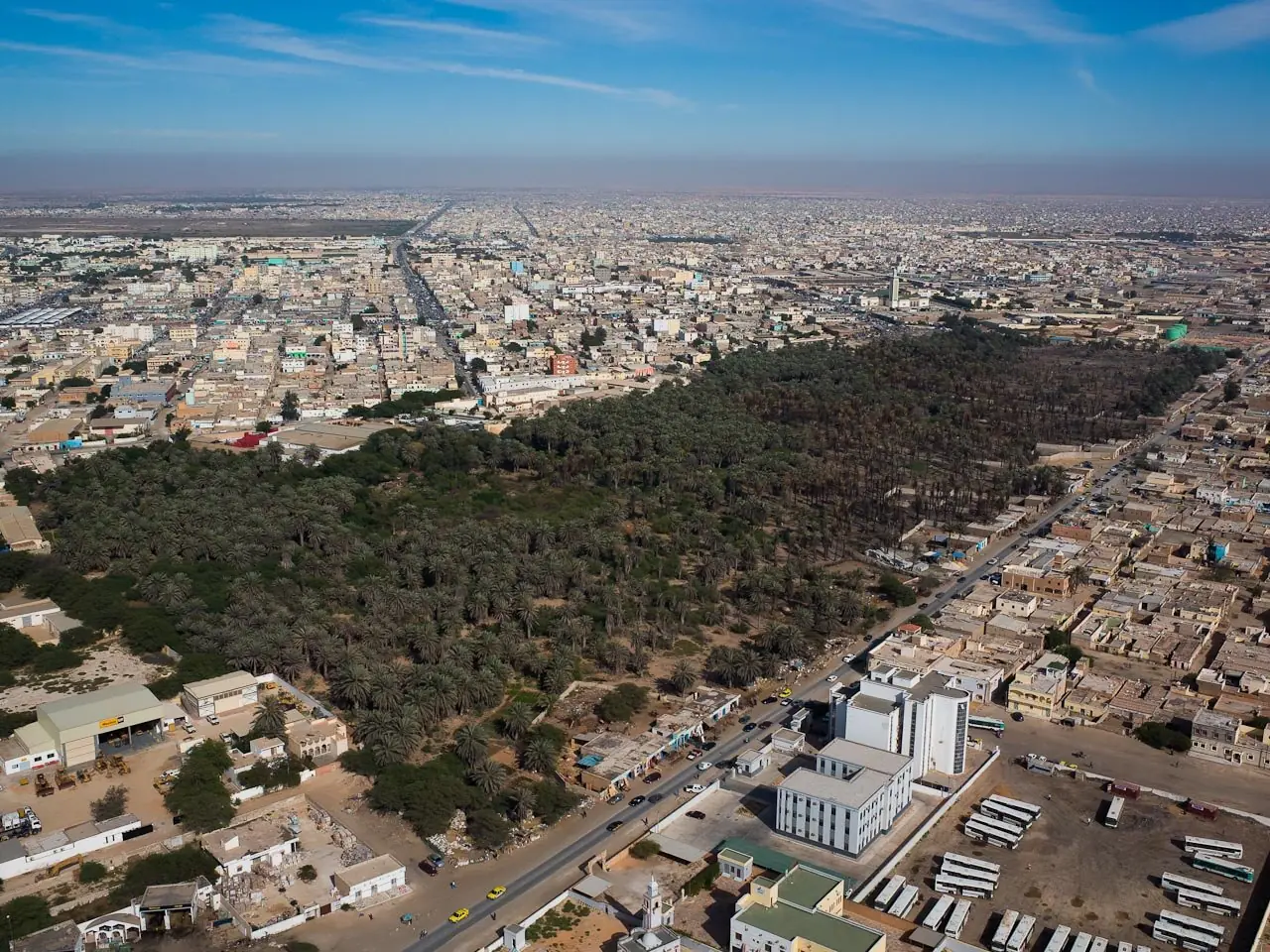 Photo: Laminesall96 · CC BY-SA 4.0
Published by Adama Doumbia, founder of Afrique Unie · updated 28 November 2026 · our method and sources
Why visit Nouakchott?
Nouakchott is a young capital: at independence in 1960 there was nothing here but a small outpost, and the city grew very fast as nomads driven out by the droughts of the following decades arrived. The result is a low, sprawling city where dunes creep into the streets, where concrete houses still stand alongside a few tents, and where sand gets in everywhere. You don't come here for the architecture, but to understand contemporary Mauritania.
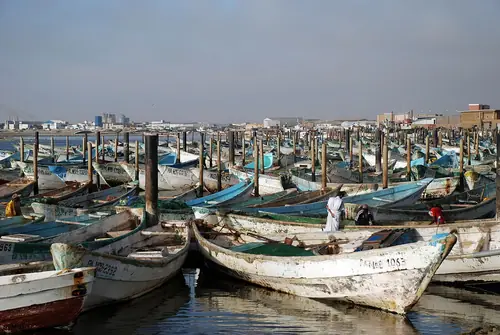
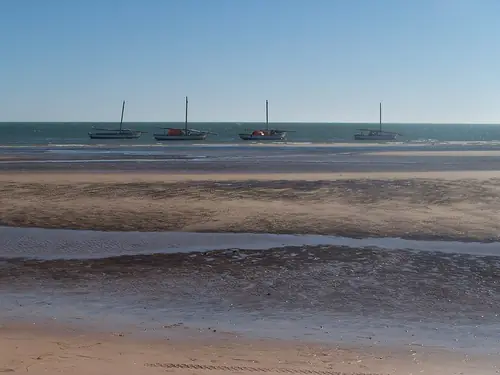
The city's real show takes place on the beach, at the artisanal fishing port. In the late afternoon, hundreds of brightly painted pirogues return from the Atlantic and are hauled up onto the sand by hand, to the rhythm of chanting. Crates of fish pass from hand to hand, women haggle, donkey carts set off fully laden: it is a scene of rare intensity.
The rest of the time, Nouakchott reveals itself through its markets, its national museum, its mosques and its cafés where people chat over tea. It is also the natural gateway to the country and a good place to organise the rest of your trip to the Adrar or Banc d'Arguin.
Things to do in Nouakchott: 6 ideas
- 01The fishing portCome around 4 or 5pm to watch the pirogues come in, taking care not to get in the way of the work.
- 02The National MuseumA collection devoted to the country's prehistory, archaeology and nomadic cultures.
- 03Marché CapitaleThe big central market, for melhfa fabrics, jewellery, leather crafts and spices.
- 04The Moroccan marketA maze of small stalls selling rugs, leather cushions and everyday goods.
- 05The beach at sunsetWalk along the long Atlantic beach when the low light softens everything.
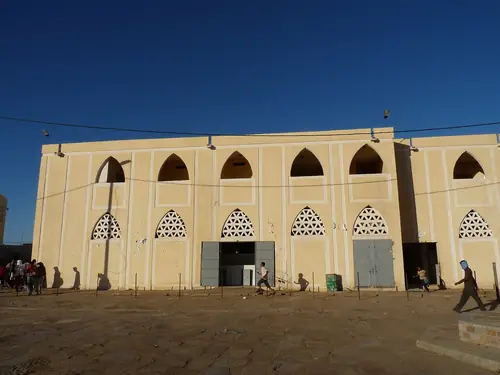
- 06The Great MosqueAdmire the minarets of the so-called Saudi Mosque, one of the most prominent in the city.
Nouakchott in one day
- 01MorningStart at the National Museum, devoted to prehistory, archaeology and nomadic cultures, a good introduction before exploring the country. Then take a taxi to the Marché Capitale, in the heart of the city, for melhfa fabrics, jewellery and leather goods. Go before the heat sets in and agree on the taxi fare before setting off.
- 02LunchHave thieboudienne, rice with fish and vegetables, or grilled fish at a simple eatery near the market, then linger over mint tea, served in three glasses. In the hot season, stay in the shade until mid-afternoon, when the heat eases a little.
- 03AfternoonPass by the so-called Saudi Mosque, with its slender minarets, and the Ibn Abbas Mosque, built in 1963 and the oldest in the capital, both to be admired from outside. Then, around 4 or 5 pm, head to the fishing port, six kilometres west of the centre, to watch the pirogues come in. Ask before taking photos.
- 04EveningWalk along a busy stretch of beach at sunset, never on isolated, unlit beaches, where the UK reports knifepoint robberies by day and by night, then have fish or mechoui for dinner in the Tevragh Zeina district. Return by taxi: France reports bag snatching by thieves on motorbikes, even in safe districts, and advises women not to visit isolated beaches alone.
A second day in Nouakchott
- 01MorningExplore the Ksar, the old fortified village at the heart of Nouakchott's origins, around which the capital was built from 1958. Continue to the Moroccan market, a maze of stalls selling rugs, leather cushions and everyday goods. Keep a firm grip on bags and phones.
- 02LunchTry a mutton or camel stew, or couscous, and taste zrig, sweetened curdled milk thinned with water and wonderfully refreshing. During Ramadan, many places close during the day and you should not eat, drink or smoke in public in daytime, so check with your accommodation. Choose well-cooked dishes and bottled water.
- 03AfternoonDevote the afternoon to crafts: silver jewellery, metal-studded wooden chests and worked leather can be found at the Marché Capitale and in shops downtown. Use the time to plan the rest of your trip to the Adrar or the Banc d'Arguin, checking the advice level for each area.
- 04EveningGo back to a busy beach for a last Atlantic sunset, leaving before dark, or share tea in a café in Tevragh Zeina, where conversations run late. Avoid walking at night and, on match or concert days, stay away from the area around the Olympic stadium, where gangs may operate.
A little history
During the colonial period, Mauritania was governed from Saint-Louis in Senegal. As independence approached, its leaders decided to build a capital on their own soil, near a small ksar and a well a few kilometres from the ocean. Construction began in 1958, and Nouakchott became the capital of the Islamic Republic of Mauritania at independence on 28 November 1960. The city was then designed for about 15,000 people.
The great droughts of the 1970s and 1980s upended that plan: tens of thousands of nomadic herders who had lost their animals settled in camps on the outskirts, which gradually turned into neighbourhoods. The city had nearly 1.5 million inhabitants at the 2023 census, close to 30% of the country's population. The Port de l'Amitié, opened in the 1980s, the new airport and the avenues of Tevragh Zeina sit alongside the old Ksar district and working-class neighbourhoods where life still follows the rhythm of tea.
What to eat in Nouakchott
Mauritanian food combines Moorish and West African traditions. Thieboudienne, rice with fish and vegetables from neighbouring Senegal, is everywhere in Nouakchott, as is grilled fish fresh from the port. Mutton and camel dominate festive meals, roasted whole as méchoui or stewed, and many families make couscous. Dates from the Adrar are eaten as snacks, especially during Ramadan.
Milk plays a central role: fresh camel's milk and zrig, curdled milk thinned with water and sweetened, which is very refreshing. Mint tea, served in three successive glasses, punctuates the day and every visit. Alcohol is banned. To eat, the simple eateries around the fishing port, Marché Capitale and the main avenues of Tevragh Zeina serve straightforward food; choose well-cooked dishes and bottled water.
Where to stay in Nouakchott
Tevragh Zeina, the residential and diplomatic district north-west of the centre, has most of the hotels, restaurants and guesthouses, as well as the busiest cafés; it is the most practical base. The town centre, around Marché Capitale, is lively and commercial but noisier. Near the beach, a few simple inns and camps are popular for the sea breeze and quiet evenings.
Getting there and getting around
Nouakchott–Oumtounsy International Airport (code NKC), opened in 2016, is about 25 km north of the centre; allow half an hour by taxi or by a transfer arranged through your accommodation, ideally in daylight. In town, taxis, often shared, are the usual way to get around: agree the fare before getting in. The currency is the ouguiya; euros are easy to change, but ATMs that accept foreign cards are few and far between.
The French authorities place Nouakchott in their heightened-vigilance zone but strongly advise against a large part of the east and north-east of the country, as well as the area near the Malian border, and advise against all but essential travel to other areas in the north and south-east; the UK Foreign Office also advises against all travel to the east and near the border with Mali, and against all but essential travel to several other regions. The threat of terrorism and kidnapping remains: get advice before any trip outside the capital, limit going out at night and comply with checkpoints.
The best time to visit is from November to March, when the heat is bearable. From April to October temperatures soar, with sand-laden winds; what little rain there is falls mainly between July and September.
See places to stay in Nouakchott
Frequently asked questions
How many days do you need in Nouakchott?
One or two days are enough for the fishing port, the National Museum, the markets and a walk on the beach. Nouakchott is mainly a starting point: then allow several days for Banc d'Arguin National Park or the Adrar, depending on the current safety advice.
Is Nouakchott safe?
The capital is in the French authorities' heightened-vigilance zone, while a large part of the east and north-east of the country is strongly advised against. Keep a low profile, avoid gatherings and travelling at night, and check your government's travel advice before leaving the city.
When should you go to Nouakchott?
From November to March, days are warm but bearable and nights cool. Summer is very hot, often dusty, and the humidity from the ocean makes the heat oppressive. During Ramadan the city's hours change and many places close during the day.
What is there to see around Nouakchott?
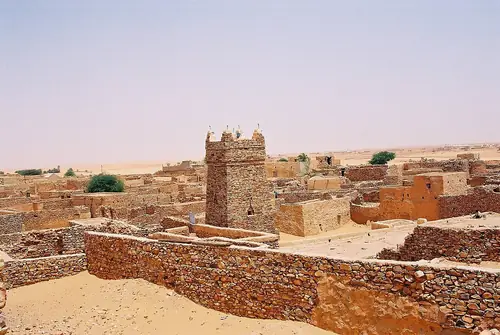
To the north, Banc d'Arguin National Park, a World Heritage Site, is home to huge bird colonies and Imraguen fishing villages. Inland, the Adrar and its old caravan towns, such as Chinguetti and Ouadane, are a long day's drive away. Always check the safety level for the area before setting off.
What is there to do in Nouakchott in the evening?
Sunset on the beach, after the pirogues return to the fishing port, is the highlight of the day. Afterwards, life moves to the cafés and restaurants of Tevragh Zeina, over mint tea, without alcohol, which is banned. Get around by taxi, as France advises against walking at night.
Do I need a guide in Nouakchott?
Not for the city: the museum, markets and port can be visited independently by taxi, although a guide helps you make sense of the fishing port and bargain at the market. Take particular care in the Cinquième, Dar Naim and Cité Plage districts, which the UK singles out. To leave the capital, however, one is strongly recommended: France advises two vehicles and experienced guides for sites without tarmac roads, such as the Banc d'Arguin.
 Mauritania