 AfriqueUnie
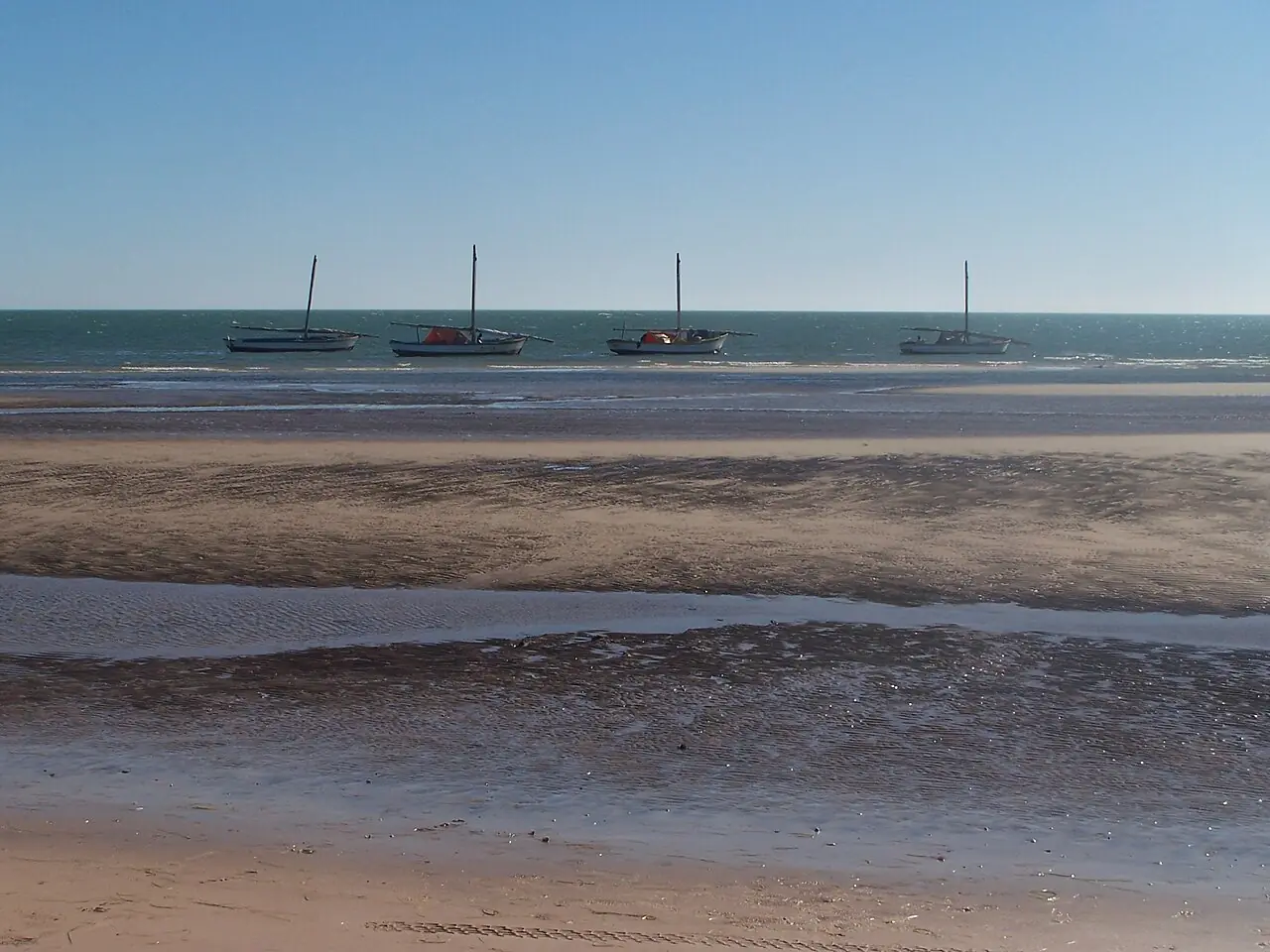 Photo: Kokopelado · CC BY-SA 3.0
Published by Adama Doumbia, founder of Afrique Unie · updated 28 November 2026 · our method and sources
- Day 1
Nouakchott, fishing port and markets
Once in Nouakchott, take time to get used to a young capital stretched out between the desert and the Atlantic. In the late afternoon, head to the fishing port on the beach to watch the brightly painted pirogues come in: the noisy, lively scene is one of the most striking in the country. The National Museum offers a useful introduction to prehistory and nomadic cultures, and the city's market is the place to see fabrics, silverwork and leather cushions. Get around by car rather than on foot, especially in the evening, and keep valuables out of sight: snatch thefts by people on motorbikes are on the rise.
- Days 2-3
Banc d'Arguin National Park
Leave early heading north on the paved road to Nouadhibou, then turn off along a sandy track to the park's camps around Iwik: allow a good half-day. The French authorities recommend travelling with two vehicles and an experienced guide. A UNESCO World Heritage Site, Banc d'Arguin is one of the largest wintering grounds for birds on the planet: flamingos, pelicans, spoonbills and countless waders gather here. The next day, board a lanche, the traditional sailing boat of the Imraguen fishermen, to approach the islands where the birds nest, as motorised boats are banned in the park. In the evening, the silence between the dunes and the ocean is breathtaking.
- Day 4
Back to Nouakchott
Enjoy the morning light over the bay, then take the track and the road back to Nouakchott, again allowing half a day. Along the way, sand sometimes covers the tarmac and animals wander across: drive carefully and make sure you arrive before dark, as driving outside towns at night is dangerous. In the afternoon, rest or explore another part of the capital, for example around the great mosque and the carpet market. This is also the time to stock up on supplies, water and cash before leaving for the Adrar, where services are scarcer.
- Day 5
The road to the Adrar and Atar
The day is spent driving to Atar, about 440 kilometres of paved road via Akjoujt: allow six to seven hours with breaks and checkpoints. Leave early so that you arrive well before dark. The landscape gradually shifts from sandy steppe to the black and ochre cliffs of the Adrar plateau. The regional capital, Atar is a town of palm groves and trade, and the starting point for every excursion in the Adrar. If you arrive in time, take a stroll through the market and the old town, then plan the rest of the trip with your guide. Keep your documents handy: police and gendarmerie checkpoints are frequent.
- Day 6
The Terjit oasis and Azougui
Spend the day exploring the area around Atar. South of the town, the Terjit oasis is a small miracle: a hot spring and a cool spring flow at the bottom of a narrow gorge, in the shade of palm trees, where you can bathe. Spend the hottest hours there, then head to Azougui, a few kilometres north-west of Atar, a former Almoravid stronghold where traces of the ramparts and a place of pilgrimage remain. The tracks in the area require a four-wheel drive and a driver who knows them. Return to Atar for the night or, if your guide suggests it, stay in a camp in the palm grove.
- Days 7-8
Chinguetti, the city of libraries
Allow two to three hours to reach Chinguetti via the Amogjar pass, which offers fine views over the plateau. Founded in the 13th century and listed as a World Heritage Site with Mauritania's other ancient ksour, the town was a major caravan and religious centre. In the dry-stone old town, slowly being swallowed by sand, see the mosque, which is viewed from outside, and one or two of the family libraries where old manuscripts are kept. The next day, set off on foot or by camel into the Erg Ouarane, right on the town's doorstep, for a night in a desert camp or simply the sunset over the dunes.
- Day 9
Back towards Atar
After a last sunrise over the dunes, take the road back to Atar. If you did not do so on the way out, stop in the Amogjar pass, where you can see rock paintings and an old fort used as a film set, as your guide directs. Do not venture further north: the north of the Adrar, beyond a line from Choum to Aghouedir, is advised against except for essential travel, and Ouadane and the Richat Structure, on the edge of or beyond this area, are not included. In the afternoon, rest in Atar and prepare for the long drive the next day, leaving as early as possible.
- Days 10-11
Back to Nouakchott and departure
Leave at dawn for the six to seven hours' drive back to Nouakchott, with a break in Akjoujt. Arrive before dark and treat yourself to a last sunset on the beach, or a final visit to the fishing port. Day 11 is set aside for your departure: leave plenty of time to reach Oumtounsy International Airport, north of the city, and for the formalities. If your flight leaves early, it may be more comfortable to return to Nouakchott on day 9 by shortening your stay in the Adrar.
Getting around
There is no practical public transport for this route: the safest option is to hire a four-wheel drive with a driver and travel with a guide, who is essential in Banc d'Arguin and the Adrar. The French authorities recommend never driving outside towns at night, travelling in two vehicles on tracks and following the instructions of the security forces. In high season, seasonal direct flights sometimes serve Atar from Europe, which shortens the drives. Check the official travel advice before you leave.
When to do this trip
The best time is from November to March: days are hot but bearable in the Adrar, nights are cool or even cold in the desert, and it is the peak wintering season for birds in Banc d'Arguin. From April to October, the heat becomes extreme inland and sandstorms are frequent. During Ramadan, expect adjusted hours for meals and visits.
The travel notebook
The itinerary, practical information (entry, health, money, emergencies) and the checklist in a few pages, to print or keep offline on your phone.
Variations
- In 7 days: drop Banc d'Arguin and focus on Nouakchott, Atar, Terjit and Chinguetti, ideally with a seasonal flight to Atar.
- In 14 days: add a camel trek of several days in the Erg Ouarane from Chinguetti, led by a local guide.
- Nature version: stay three nights in Banc d'Arguin, adding Mamghar and the Imraguen villages in the south of the park.