AfriqueUnie
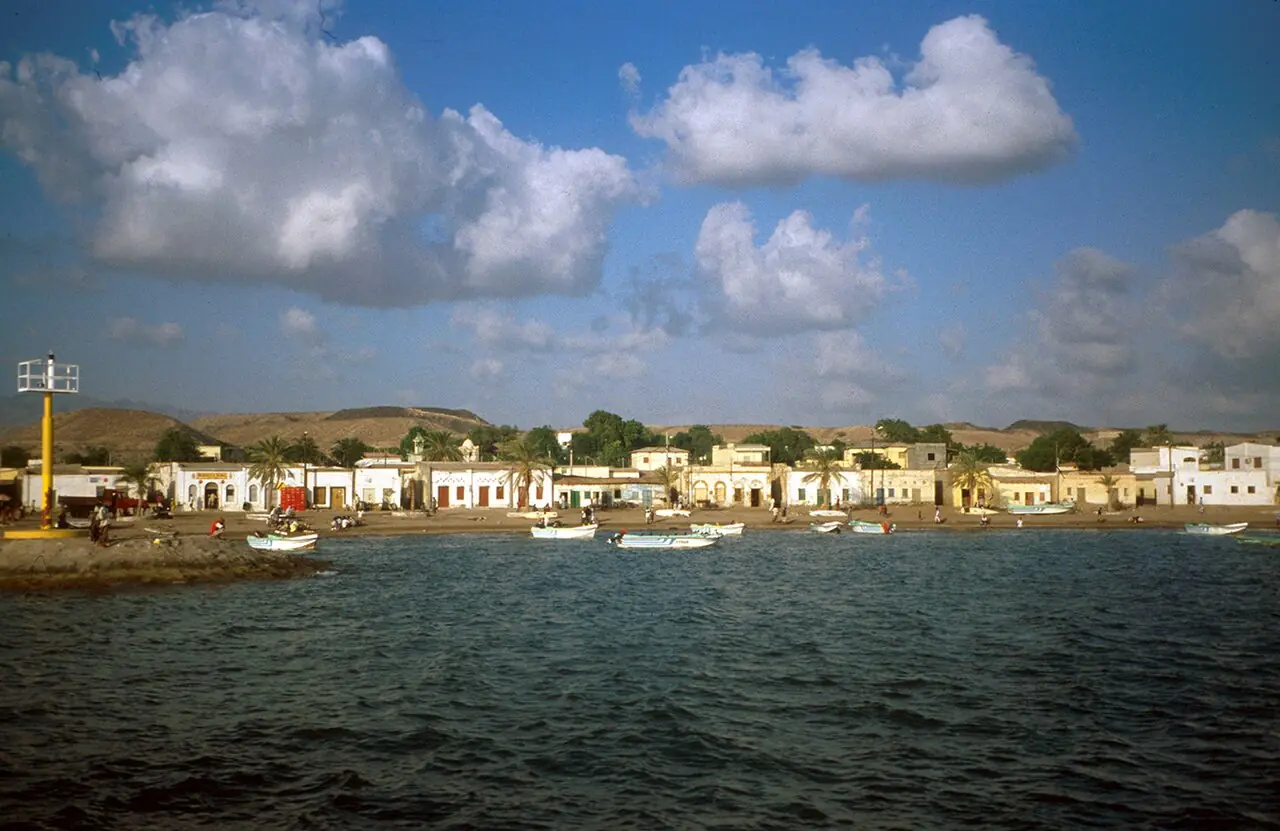 Photo: Driss 19:28, 3. Jul. 2007 (CEST) · CC BY-SA 2.0 de
Published by Adama Doumbia, founder of Afrique Unie · updated 28 November 2026 · our method and sources
Why visit Tadjoura?
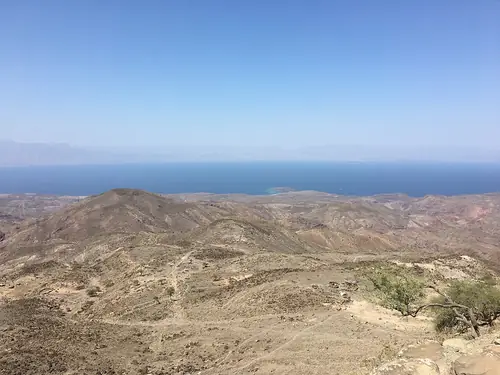
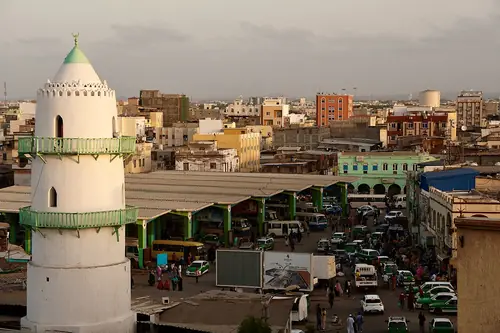
On the northern shore of the gulf that bears its name, Tadjoura is the oldest town in the country and the former capital of an Afar sultanate. Seen from the sea, it appears as a line of white houses set between turquoise water and the arid peaks of the Goda massif. It is nicknamed the white town, and it has seven mosques whose minarets punctuate the seafront.
For centuries Tadjoura was the starting point for caravans carrying salt from Lake Assal to Ethiopia, where it was traded for coffee, ivory or grain. What remains is the peaceful atmosphere of a small market town, where the sultan still plays a traditional role and the sandy streets come alive mainly at the morning market and at prayer time.
Life moves slowly here, far more slowly than in the capital. People come to wander the whitewashed lanes, watch the fishermen come in, swim on nearby beaches and, above all, to use it as a base for exploring the north coast, the Goda Mountains and the Day Forest. It is the ideal place to take the pulse of Afar Djibouti.
Things to do in Tadjoura: 6 ideas
- 01Mosque walkExplore the town on foot to spot its seven white mosques, keeping a respectful low profile at prayer time.
- 02Fishing harbourWatch the boats come back in the late afternoon and the catch being sold straight off the shore.
- 03Sables Blancs beachesSwim from the beaches south-west of town, where a few camps let you spend the night facing the gulf.
- 04Day ForestClimb into the Goda Mountains for a cool hike beneath the junipers, about an hour and a half away by track.
- 05Morning marketBrowse the stalls of dates, spices and woven mats before the heat forces the shops to close.
- 06Boat crossingArrive or leave by sea to take in the whole white sweep of the town's waterfront.
Where to stay in Tadjoura
Accommodation is limited: a few simple hotels and guesthouses in town, and above all camps and small eco-lodges on the nearby beaches, such as at Sables Blancs, or up in the Goda Mountains around the Day Forest. Staying in town lets you experience local life and the market; sleeping on the coast brings peace and swimming; heading for the heights promises cool nights and hikes straight from your bed.
See places to stay in Tadjoura
Frequently asked questions
How do I get from Djibouti City to Tadjoura?
By sea, a crossing of a few hours depending on the boat, or by road, which is much longer as it skirts the gulf via the Ghoubbet. Boat times can change without notice, so check the day before. By road, leave early, drive by day and, outside the capital, preferably with two vehicles.
Is Tadjoura safe?
The region is under heightened vigilance, but the army controls access to an area north of the Balho–Adaïlou–Ouaddhi–Godoria line, and the area near the Eritrean border is strongly advised against. Oued Kalou and Mount Moussa Ali are off limits, even to tourists. Respect checkpoints, don't camp outside official campsites and use an approved guide.
How many days should I spend in Tadjoura?
A day is enough for the white town, its mosques, the fishing port and the morning market. Allow two to three days to add the Sables Blancs beaches and a cool night in the Goda mountains, around the Day forest.
How can I visit the Day forest?
By 4x4 with a guide: this juniper forest, one of the country's few, covers the heights of the Goda mountains north-west of Tadjoura, above 1,500 metres. Nights are cool, so bring a jacket. Drive by day, in a convoy of two vehicles, and sleep at an official campsite.
How should I behave in Tadjoura?
Dress modestly, covering arms and legs, and be discreet at prayer times, as the town is very devout. Always ask before photographing people, and don't photograph the port or official buildings. During Ramadan, avoid eating or drinking in public during the day.
 Djibouti