AfriqueUnie
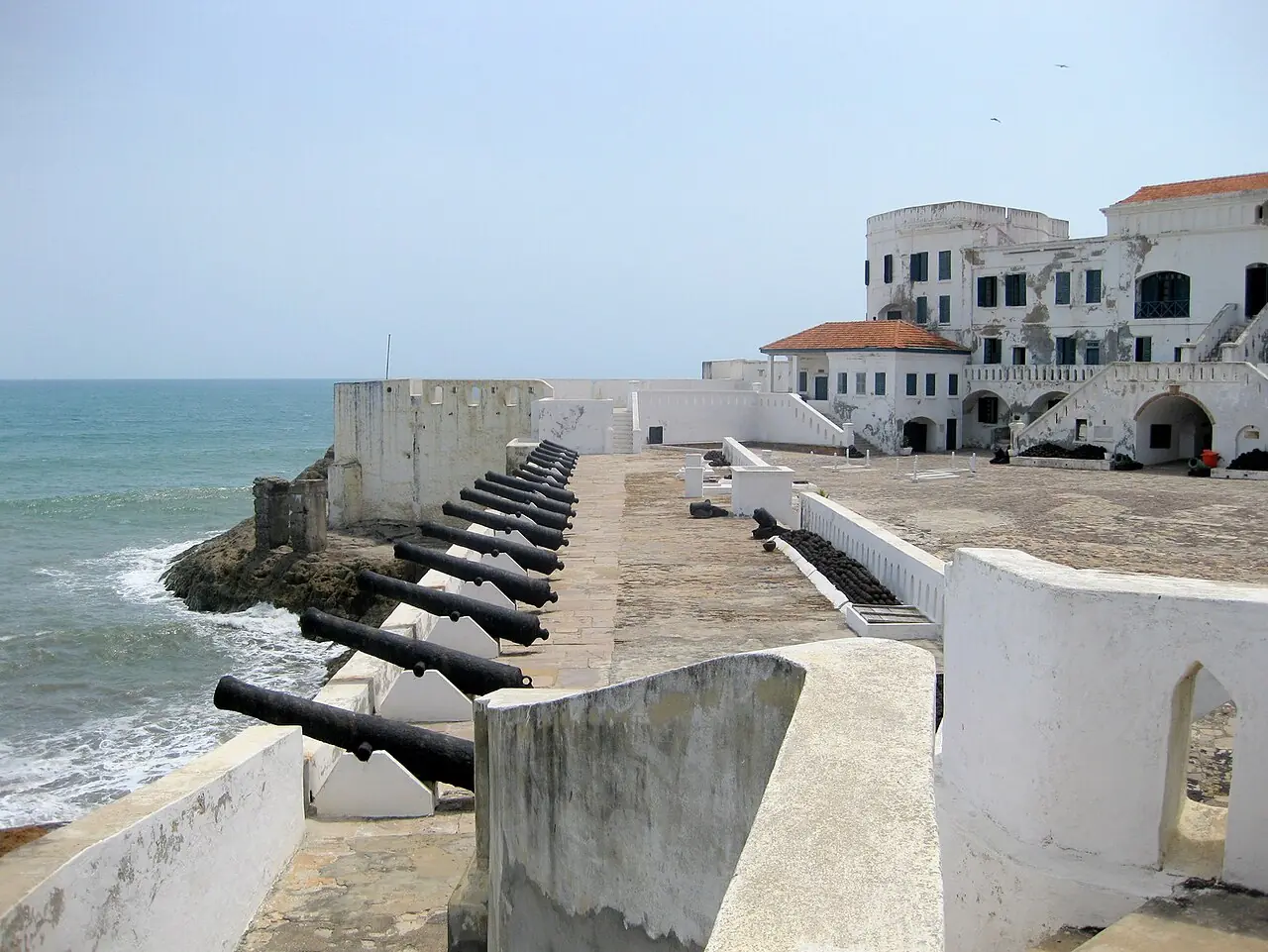 Photo: Rjruiziii · CC BY-SA 3.0
Published by Adama Doumbia, founder of Afrique Unie · updated 28 November 2026 · our method and sources
Where does the phrase “Detty December” come from?
“Detty” is how “dirty” is said in Nigerian Pidgin. In “Detty December” the word is nothing negative: it means a month of partying without restraint, going out every night and making the most of the end-of-year holidays.
The exact origin of the phrase is uncertain. According to several Nigerian media outlets, it was popularised by the singer Mr Eazi, who used it as a hashtag for a concert in Lagos in 2016. Others link it to the Calabar Carnival, launched in 2004 and billed as “Africa's biggest street party”. One thing is certain: it was born in Nigeria, and Lagos, the capital of Afrobeats, remains one of its two great homes.
In Nigeria, Detty December is above all about members of the diaspora coming home, sometimes nicknamed “IJGBs”, for “I Just Got Back”. Many also use the trip to visit their home village and spend the holidays with family.
Accra, capital of December: history and atmosphere
Ghanaians abroad were coming home for the holidays long before the phrase arrived from Nigeria. Everything changed with the “Year of Return”, launched by the Ghanaian government for 2019. The initiative marked 400 years since the first enslaved Africans arrived in Virginia in 1619, and invited people of African descent around the world to come to Ghana and reconnect with their roots.
The call was heard: many African Americans, Caribbean people and Black Europeans, including artists and well-known figures, made the journey, often at the end of the year. The government then extended the momentum with the “Beyond the Return” programme. Since then, December in Ghana has become an unmissable event, often simply called “December in Ghana”.
Detty December usually starts in mid-December and runs into the first days of January. During these weeks, the big stages host Afrobeats, hiplife, amapiano and dancehall stars, while beach bars, rooftops and clubs are full almost every night.
It is also wedding and reunion season. With so much of the family in town, many couples choose this time to marry, with celebrations that often last all day. Christenings, birthdays and family gatherings follow one after another. Christmas remains a widely observed religious and family occasion: churches are packed and meals bring several generations together. On 31 December, many Ghanaians attend New Year's Eve “watch night” services before heading to parties that go on until morning. If you are invited, say yes: it is the best way to understand the spirit of December.
The big December events in Accra
- AfroFuture (formerly Afrochella): Founded in 2019 as Afrochella, this festival of African music and culture was held for several years in late December at El-Wak Stadium in Accra, before being renamed AfroFuture. Whether and how it takes place varies from year to year: check the official website.
- Afro Nation Ghana: The Ghanaian edition of the Afro Nation festival, which began in Portugal. It was held in Accra in December 2019 and again in December 2022. It does not take place every year: check the official website before planning your trip around it.
- Detty Rave: The party-concert hosted by Mr Eazi, the artist who helped popularise the phrase. In recent years it has been held in Accra in the last days of December.
- Concerts by Ghanaian stars: Several Ghanaian artists stage their own big concert, often in December, such as Sarkodie's Rapperholic, long held in Accra around Christmas (though its date and city vary between editions), or Stonebwoy's Bhim Concert. Dates are announced a few weeks ahead on the artists' social media.
- Beach parties and food events: Many parties and day events take place on the beaches around Accra, along with markets and festivals celebrating Ghanaian food. The line-up changes every year.
Where to go out in Accra: the neighbourhoods to know
- Osu: The liveliest district, centred on Oxford Street: restaurants, bars, shops, street vendors and nightlife until late. Ideal for your first evening.
- East Legon: An affluent residential area in the north of the city, known for its lounges, fashionable restaurants and private parties. Many diaspora visitors stay here over the holidays.
- Labadi: Its long beach is one of the busiest spots in Accra in December: music, dancing, horse riders, coconut sellers and evenings by the water, especially at weekends.
- Labone, Cantonments and Airport Residential: Quieter, leafier areas with plenty of bars, cafés and more intimate venues, handy if you are staying near the airport.
- Jamestown: The old fishing quarter at the heart of the historic city, with its lighthouse and old forts. Better known for daytime visits and street art than for nightlife, but a must.
By day: beaches, history and markets
- The beaches: Labadi is the most central; west of Accra, Kokrobite beach draws those looking for a more laid-back vibe. Be careful of currents: the ocean is often strong, so only swim where it is permitted.
- Jamestown: Wander between the lighthouse, the remains of James Fort and Ussher Fort and the fishing harbour, where colourful canoes come back loaded with fish. A tour with a local guide helps you understand the area's history.
- Makola Market: Central Accra's great market, vast and bustling: wax-print fabrics, spices, beads, kitchenware and fresh produce. Go in the morning, keep your belongings close and haggle with a smile.
- Kwame Nkrumah Memorial Park: The park holds the mausoleum of Kwame Nkrumah, the first leader of independent Ghana, and a small museum. It stands on the spot where independence was declared on 6 March 1957.
- W.E.B. Du Bois Centre: The house where the great African American thinker of Pan-Africanism spent his final years, and where he is buried. A deeply symbolic stop for the diaspora.
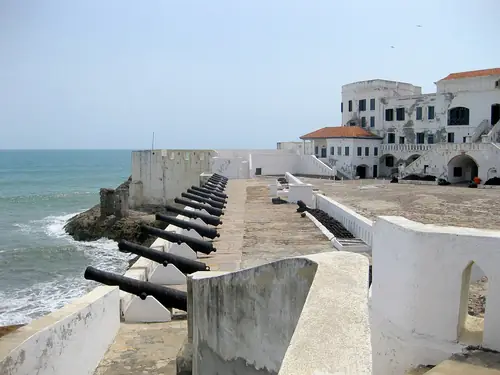
- Cape Coast and Elmina: A few hours' drive west of Accra, the castles of Cape Coast and Elmina, part of a UNESCO World Heritage Site, recall the coast's role in the transatlantic slave trade. Visiting the dungeons and the “Door of No Return” is a powerful experience. Leave early to beat the traffic and, if you can, combine it with Kakum National Park and its canopy walkway.
At the table: Ghanaian food you must try
- Jollof: Rice cooked in a spicy tomato sauce, often served with chicken or fish. Ghana and Nigeria have a good-natured rivalry over who makes the best jollof: try both and decide for yourself.
- Kelewele: Cubes of ripe plantain seasoned with ginger and chilli, then fried. Buy it in the evening from street vendors, sometimes with peanuts.
- Waakye: A dish of rice and beans cooked with dried sorghum leaves, which give it its reddish-brown colour. It is mainly eaten at breakfast or lunch, with a spicy sauce, eggs, gari and spaghetti.
- Red red: A black-eyed bean stew cooked in red palm oil and served with fried plantain. Simple and filling; it often comes with fish, but vegetarian versions are common too.
- Chop bars: Ghana's traditional eateries, serving fufu, banku, konkonte or omotuo (rice balls) with groundnut, palm nut or okra soups. This is where you taste everyday Ghanaian cooking, often eaten with your hands.
Practical tips for Detty December
- Book very early: In December, demand soars: flights, accommodation and cars with drivers go fast. Book several months ahead, especially for the period between Christmas and New Year.
- Visas and paperwork: Most travellers need a visa to enter Ghana, to be obtained before departure depending on nationality. Rules change, so check your government's official travel advice and the website of the Ghanaian embassy or high commission.
- Yellow fever: A yellow fever vaccination certificate is required to enter Ghana, as it is for Nigeria. Think about malaria prevention too: ask a doctor or a travel clinic for advice.
- Harmattan and heat: December is harmattan season, when a dry, dusty wind blows from the Sahara. Skies can be hazy and the air dry: bring water, eye drops, moisturiser and light clothing.
- Traffic: Accra is very congested in December. Allow plenty of time for journeys, especially in the evening and to the airport, and group your outings by neighbourhood. Ride-hailing apps are widely used.
- Cash and mobile money: Mobile money is everywhere and bank cards are not accepted in every place. Always carry some cash in local currency for taxis, markets and street vendors.
- Basic safety: Accra is a welcoming city, but the December crowds attract pickpockets. Keep valuables out of sight, watch your phone in crowds and at concerts, and get home at night by ride-hailing app or a trusted taxi.
What about Lagos? Where it all began
If you want to experience Detty December at its source, Lagos is the other great party capital. Nigeria's largest city hosts a flood of concerts in December, including Flytime Fest and Rhythm Unplugged, which has been running since 2004, as well as beach parties, club nights, carnivals and countless weddings.
Most of the nightlife is on Victoria Island, Ikoyi and the Lekki peninsula, home to restaurants, lounges and beaches. For a day by the water, many Lagosians take a boat to the beaches reached across the lagoon. The traffic is legendary: allow a lot of time for every journey.
Safety calls for more caution than in Accra. Before you go, read your government's official travel advice on Nigeria carefully, as it advises against travel to some parts of the country, and follow it during your stay: organised transport, care at night and discretion with valuables. Entry rules differ too: depending on your nationality, you will need a visa obtained before departure, and a yellow fever certificate is required.