AfriqueUnie
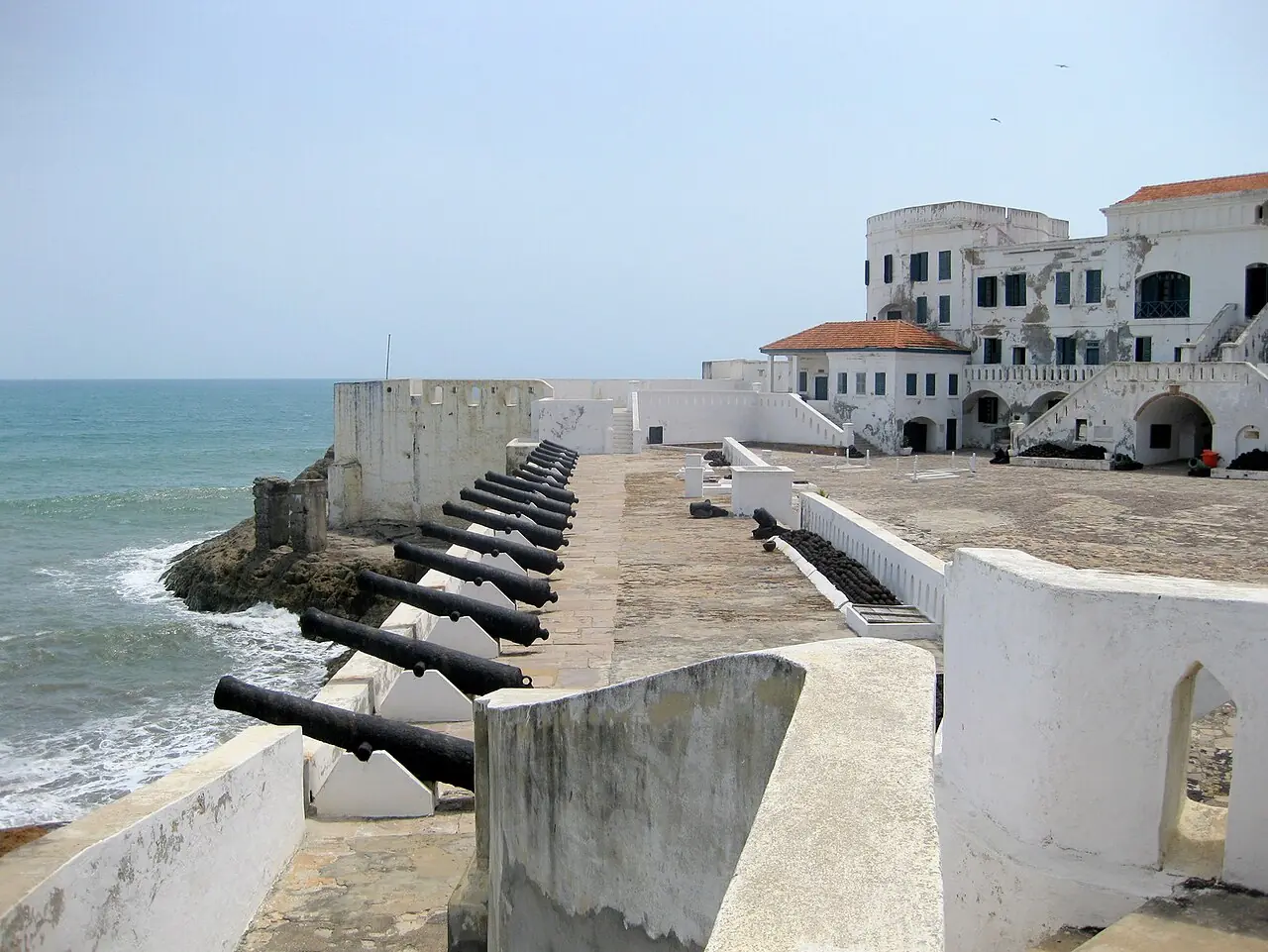 Photo: Rjruiziii · CC BY-SA 3.0
Published by Adama Doumbia, founder of Afrique Unie · updated 28 November 2026 · our method and sources
Daily budget
These are rough figures per person per day, excluding the international flight, visa and vaccines. They cover accommodation (two people sharing a room), meals and local transport.
On a tight budget, allow roughly €35 to €60, staying in guesthouses or small hotels, eating in chop bars and using shared transport (tro-tros, buses). For a comfortable trip, allow about €90 to €160, in good hotels, with restaurants and a car and driver for some journeys. At the top end, allow €250 or more, in Accra's large hotels and beachfront resorts.
The visa weighs heavily on the budget of a short trip: factor it in from the start.
What is expensive and what costs next to nothing
- Visa: The biggest cost before you even leave (see below).
- Accommodation in Accra: International-standard hotels in Accra are expensive; prices drop sharply in Kumasi, Cape Coast and inland.
- Local meals: A plate of jollof, banku or waakye in a chop bar costs a few euros.
- Transport: Tro-tros and buses are cheap. Ride-hailing apps work in Accra and Kumasi.
- Sights: Entry to the coastal forts, Kakum or Mole National Park is modest, with higher rates for foreigners.
Money: cedi, cash and mobile payment
The currency is the Ghanaian cedi (GHS). Cash machines are plentiful in Accra, Kumasi and other towns, less so in the north and rural areas. Visa cards are the most widely accepted.
Cards are mainly useful in large hotels, supermarkets and some restaurants in Accra. Elsewhere you pay cash: keep small notes. Change money at banks or licensed bureaux de change.
Mobile payment (led by MTN MoMo) is everywhere, from taxis to markets. It requires a local SIM card registered with your passport. For a short stay, a card and cash are enough.
Tipping is not compulsory; leave around 10% in restaurants if service is not included.
Visa and passport
Information checked in November 2026. These rules can change: read the official sources again before you travel.
A visa is compulsory for British and French nationals, as for other Europeans, Swiss and Canadians. It must be obtained before you travel: there is no visa on arrival for tourist stays, and you can be refused entry without one.
Since 25 May 2026, Ghana has run an official e-visa portal, evisa.immigration.gov.gh, and has waived visa fees for African nationals only. For everyone else, the portal's guide and the Ghanaian press give a fee of 260 US dollars for a single-entry visa with standard processing, more for faster processing or multiple entries. These fees have been criticised by the tourism industry and may change: check them on the portal before paying.
The UK government tells British nationals to complete the online visa application form on the Ghana High Commission website, pay online, upload the supporting documents (including a yellow fever certificate) and then send printed copies by post; processing takes 10 to 15 days, and an express service of around 3 days may be available in person at the Ghana Premium Application Centre in London. The French foreign ministry (page updated on 15 September 2026) still sends French nationals to the Ghanaian embassy in Paris. Before paying, check which route applies to you.
According to the French foreign ministry, the entry stamp allows a stay of up to 60 days, which can be extended at the immigration service in Accra. Your passport should generally be valid for at least six months after arrival.
Health and vaccinations
Yellow fever vaccination is compulsory to enter Ghana from the age of 9 months. Your international vaccination certificate is checked on arrival at Accra airport and at land borders. The vaccine must be given at least ten days before departure, at a designated yellow fever centre.
Malaria is present all year round throughout the country. See a doctor before you leave about suitable preventive medication and protect yourself from mosquito bites. If you develop a fever during your stay or in the weeks after you return, see a doctor straight away.
Your doctor may also recommend other vaccines: hepatitis A, typhoid, and meningitis if you are going north in the dry season. Drink bottled water.
Before you go: the checklist
- Visa: Apply at evisa.immigration.gov.gh or through the embassy several weeks before you leave; beware of intermediary sites.
- Passport: Six months' validity after arrival.
- Yellow fever: International vaccination certificate, with the vaccine given at least ten days before.
- Malaria: A doctor's appointment a few weeks before departure.
- Insurance: Travel insurance covering medical costs and repatriation.
- Where to check: gov.uk (foreign travel advice), France Diplomatie (diplomatie.gouv.fr, Conseils aux voyageurs) and the evisa.immigration.gov.gh portal. Some northern areas, including the Bawku area, are advised against: read the safety section.