AfriqueUnie
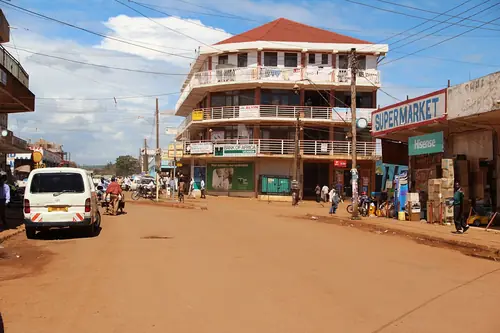
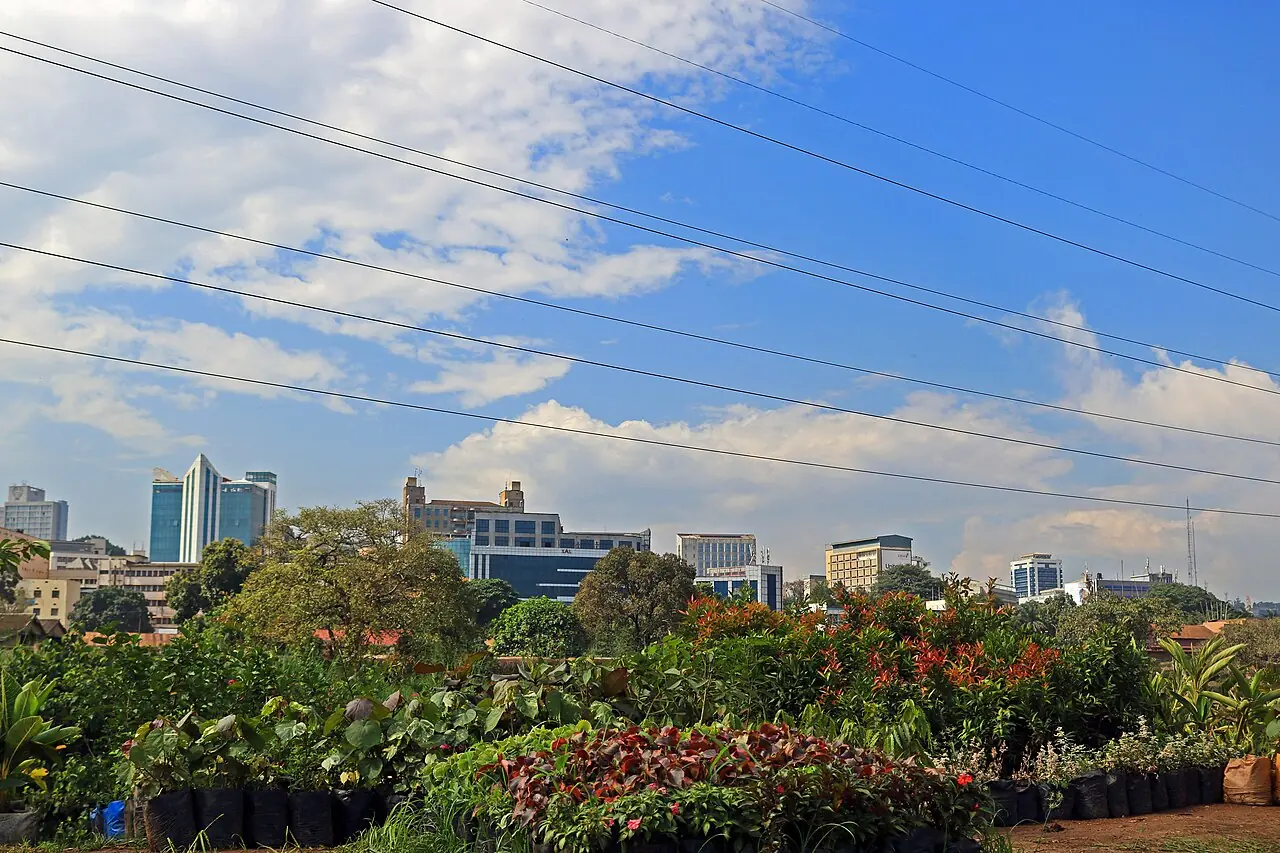 Photo: Chapelle musa · CC BY-SA 4.0
Published by Adama Doumbia, founder of Afrique Unie · updated 28 November 2026 · our method and sources
Why visit Kampala?
Kampala was built on a series of hills, traditionally seven of them, each with its own character. On Mengo stands the palace of the kabaka, the King of Buganda; on Namirembe, the Anglican cathedral; on Rubaga, the Catholic cathedral; on Kibuli, a great mosque; and on the old Kampala Hill, the National Mosque, whose minaret offers a view over the whole city. Between these heights, the valleys are home to markets, traffic jams and an energy that never lets up.
It is a lively, young and noisy capital. Boda-bodas weave in their hundreds between the white-and-blue shared taxis, the Nakasero and Owino markets overflow with fruit, fabrics and second-hand clothes, and music spills out of every shop. In the evening, Kampala has a reputation for one of the liveliest nightlife scenes in East Africa, from neighbourhood bars to the clubs of Kololo and Kabalagala.
The city also offers a deep dive into the country's history and spirituality, from the royal tombs of Kasubi to the Namugongo Martyrs' Shrine, where hundreds of thousands of pilgrims converge every 3 June.
Things to do in Kampala: 6 ideas
- 01The National MosqueClimb the minaret of the Old Kampala mosque for a panorama over the hills, dressed modestly.
- 02The Kasubi TombsDiscover the great thatched building housing the tombs of the kabakas, being rebuilt after a fire in 2010.
- 03Nakasero MarketWander among the pyramids of fruit, spices and vegetables in this historic market in the centre.
- 04The Uganda MuseumSee the musical instruments, ethnographic objects and archaeological finds of East Africa's oldest museum.
- 05Namugongo ShrineVisit the memorial to the Christian martyrs executed at the end of the 19th century, east of the city.
- 06An evening in KabalagalaSoak up the atmosphere of the bars and small restaurants in this party district, and get home by ride-hailing.
Kampala in one day
- 01MorningStart early at the National Mosque on Old Kampala Hill and climb the minaret for a panorama over the city's hills, dressed modestly, with a headscarf for women. Set off before the traffic builds, in a ride-hailing car booked through an app: avoid boda-bodas (motorbike taxis), which the UK advises against because of accidents and muggings of foreign passengers.
- 02LunchHead down to Nakasero Market, among pyramids of fruit and spices, then have a rolex, an omelette rolled in a chapati, from a street stall, or matoke with peanut sauce. Watch your belongings in the crowds: France reports rising crime in the capital. Do not give money or food to street children: it is illegal in Kampala.
- 03AfternoonGo to the royal Kasubi Tombs, on the hill of the same name, checking how far reconstruction has progressed since the 2010 fire, then the Uganda Museum, the oldest in East Africa, for its musical instruments and ethnographic objects. Allow plenty of time for journeys, especially late in the afternoon.
- 04EveningDine in Kololo, a leafy hill full of restaurants, then, if you fancy a night out, head to the bars of Kabalagala, one of the city's liveliest districts. Never accept food or drinks from strangers, as the UK reports travellers being drugged and robbed in bars, and return by ride-hailing car booked through an app, never on foot.
A second day in Kampala
- 01MorningExplore Mengo Hill: the Lubiri, the kabaka's palace, and the underground cells used as a detention site under Idi Amin, then the Bulange, seat of the Buganda parliament, linked to the palace by a long, straight avenue. Continue to Namirembe Anglican Cathedral, on top of its hill.
- 02LunchHave luwombo, chicken or beef stewed in banana leaves, a festive Buganda dish, served with matoke. Drink a fresh pineapple or passion fruit juice. Carry shillings in cash for small restaurants, where bank cards are rarely accepted.
- 03AfternoonClimb to Rubaga Catholic Cathedral, on its own hill, then head to the Bahá'í temple on Kikaya Hill, north of the city, surrounded by peaceful gardens with views over Kampala. Save the Namugongo Martyrs' Shrine, to the east, for a separate half-day because of the traffic.
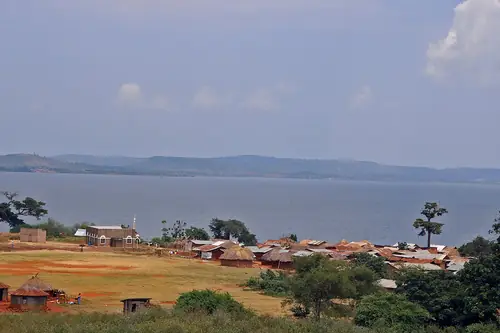
- 04EveningEnd the day on the shores of Lake Victoria at Ggaba, a fishing village south-east of the city, for sunset and grilled tilapia. Head back by ride-hailing car without leaving it too late: France reports thefts and robberies, sometimes violent, even in residential districts, particularly around Christmas.
A little history
Long before the British arrived, the hills of Kampala were the heart of the Kingdom of Buganda, one of the most powerful in the Great Lakes region. The kabaka, or king, moved his capital from one hill to another before settling it for good at Mengo. The city's name is said to come from a Luganda expression meaning "hill of the impala", animals that once grazed on these slopes.
In 1890, Frederick Lugard, working for the Imperial British East Africa Company, built a fort on the hill now known as Old Kampala. Uganda then became a British protectorate, run from Entebbe on the shores of Lake Victoria, while Kampala grew as a commercial centre. Founded in the 1920s, Makerere University also made it one of East Africa's great intellectual hubs.
At independence in 1962, Kampala became the national capital. The city then went through very hard years, notably under Idi Amin's regime in the 1970s and during the conflicts that followed. Since the late 1980s, it has been transformed: today it spreads far beyond its seven historic hills and is one of the fastest-growing cities on the continent.
What to eat in Kampala
Ugandan food is simple and filling. The signature dish is matoke, green plantain steamed in banana leaves and then mashed, served with groundnut sauce, beans or meat. Also try luwombo, a chicken or beef stew slow-cooked in banana leaves, posho made from maize flour, grilled meat skewers and tilapia from Lake Victoria. On the street, the must-try is the rolex: a vegetable omelette rolled up in a chapati and made to order.
To drink, Uganda grows excellent fruit, such as pineapples, mangoes and passion fruit, which you will find as fresh juice almost everywhere, as well as home-grown tea and coffee. Local beers are very popular, and waragi, a local spirit, is often drunk in cocktails. For eating out, street stalls and small neighbourhood restaurants offer the best discoveries, while Kololo and Kabalagala have a wider range of places, from Ugandan cooking to the Indian restaurants that are a big part of the city's food scene.
Where to stay in Kampala
Kololo, a leafy residential hill close to the centre, is home to embassies, hotels, restaurants and trendy bars: a pleasant and practical base. Nakasero, right next door, combines business hotels with easy access to the centre. Muyenga, Bugolobi and Ntinda, a little further out, offer quieter guesthouses and apartments in a residential setting. Kabalagala, at the foot of Muyenga, suits travellers who want to go out. Many visitors, however, prefer to sleep in Entebbe, which is more peaceful, on the shores of Lake Victoria and very close to the airport.
Getting there and getting around
The country's international airport is not in Kampala but in Entebbe (code EBB), on the shores of Lake Victoria, around forty kilometres away. An expressway links the two, but journey times depend heavily on traffic coming into Kampala. The easiest option is to book a transfer through your accommodation or take an official taxi at the airport. If you land late in the evening, a first night in Entebbe is a good idea.
In town, shared minibuses, known as taxis, follow fixed routes from the big taxi parks in the centre, and boda-bodas, or motorbike taxis, are everywhere. They are quick in traffic but cause many accidents: if you take one, book it through an app and wear a helmet. Ride-hailing apps work well in Kampala and remain the most comfortable choice, especially in the evening.
The currency is the Ugandan shilling. ATMs are plentiful in the centre and in districts such as Kololo and Nakasero, and cards are accepted in hotels and some restaurants. US dollars are often used for safaris and trekking permits, but old or damaged notes are frequently refused: bring recent notes in good condition.
Frequently asked questions
How many days do you need in Kampala?
Two to three days are enough for the hills and their places of worship, the Kasubi Tombs, the Uganda Museum, a market and a lively night out. Kampala is then the starting point for the country's national parks, Jinja and the source of the Nile.
When is the best time to visit Kampala?
The drier seasons, from December to February and from June to August, are the most pleasant. Thanks to the altitude, it is mild all year round. The rains from March to May and from October to November do not rule out a trip, but they make the traffic even worse.
Do you need a visa for Kampala?
Yes, for most travellers. You apply online before you leave and print the authorisation letter; the visa is then issued on arrival at Entebbe airport. A yellow fever vaccination certificate is required. Check the latest rules on your government's travel advice website before booking.
Can you see the source of the Nile from Kampala?
Yes, on a day trip. The town of Jinja, to the east, stands where the Nile flows out of Lake Victoria. You can reach the source by boat, and the town is known for rafting and kayaking. Allow several hours on the road there and back depending on traffic: leave early or plan to stay the night.
Is Kampala safe for tourists?
Kampala is a welcoming city, but you need to stay alert as in any big capital: watch your belongings in markets and crowds, avoid walking alone at night and use ride-hailing to get back. Keep away from political gatherings. Read your government's travel advice before you go.
What is there to do in Kampala in the evening?
Kampala has one of the liveliest nightlife scenes in East Africa: dinners in Kololo, bars and clubs in Kabalagala, and late nights at weekends. Start with sunset over Lake Victoria at Ggaba. Get around only by ride-hailing car booked through an app and stay alert in crowded places.
What can I see in Kampala in one day?
Focus on the National Mosque and its minaret, Nakasero Market, then the Kasubi Tombs or the Uganda Museum, before dinner in Kololo. Group your visits by area, as traffic makes every crossing of the city slow, especially late in the afternoon, and book your rides through an app. Avoid the last Saturday of the month between 7 and 10 am: during the national cleaning day, businesses close and non-essential movement is banned; tourists are exempt but may be stopped.
 Uganda