AfriqueUnie
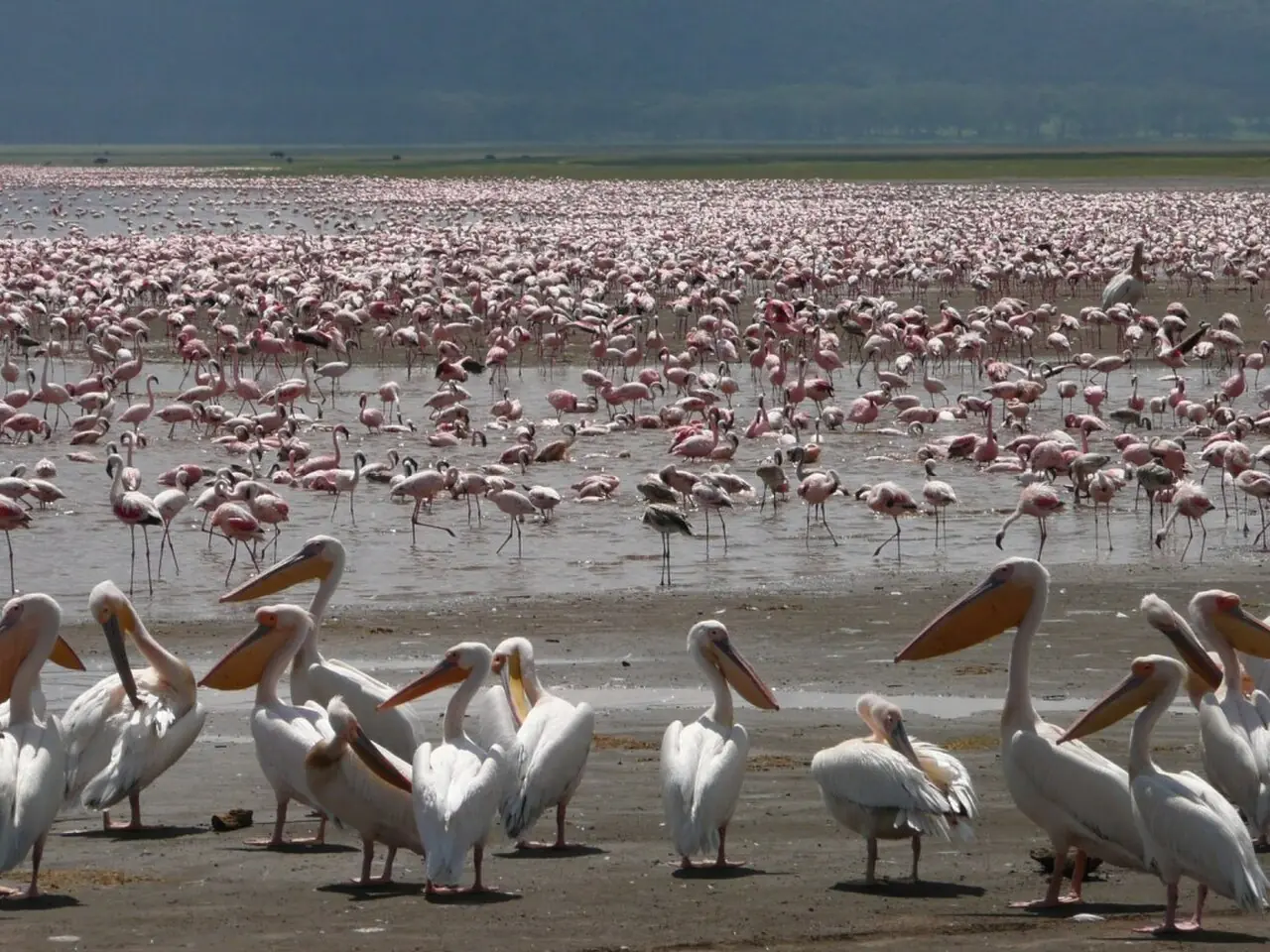 Photo: BombX · CC BY-SA 3.0
Published by Adama Doumbia, founder of Afrique Unie · updated 28 November 2026 · our method and sources
Before you go: roads, parks and safety
The times given are rough estimates from Westlands or the centre outside rush hour. The road to Naivasha and Nakuru, heavily used by lorries, descends the Rift Valley escarpment: leaving Nairobi on a Friday evening and returning on Sunday afternoon can be very slow. Set off early and do not drive at night.
The Rift Valley lakes are not among the areas of Kenya that the French and British governments advise against, which lie mainly near the Somali border. In the national parks, entry fees are often paid electronically rather than in cash: check the arrangements and opening hours on the Kenya Wildlife Service website before you go.
Lake Naivasha and Crescent Island (about 2 hours)
Some 90 kilometres north-west of Nairobi, Lake Naivasha is the weekend classic. A boat trip takes you close to hippos and past fish eagles, cormorants and kingfishers. On the Crescent Island peninsula, you walk with a guide among giraffes, zebras, wildebeest and antelopes, with no big predators.
The lake is very busy at weekends and on public holidays, especially at Easter. Keep your distance from hippos, on the water and on the shore, particularly at dawn and dusk, when they come out to graze.
Hell's Gate: cycling among the zebras (about 2 hours)
Just south of Lake Naivasha, Hell's Gate National Park is one of the few parks in Kenya you can explore on foot or by bike: red cliffs, the lava column of Fischer's Tower, steam vents, and zebras, buffalo and giraffes along the track. At the far end, a narrow gorge can be explored with a guide.
The gorge can be dangerous in a storm, as the water rises very quickly: do not go in when it is raining or threatening rain, and follow the rangers' instructions. Take plenty of water, as the heat and glare are intense.
Mount Longonot: around the crater (about 1½ hours)
On the road to Naivasha, Mount Longonot is an extinct volcano protected as a national park. The climb to the crater rim is steep and dusty, but the view over the Rift Valley and Lake Naivasha rewards the effort; the fittest then walk the full circuit of the crater.
Start early in the morning to avoid the heat, with good shoes, a hat and enough water for the day. The hike combines well with a night by Lake Naivasha.
Lake Nakuru: rhinos and flamingos (about 3 hours)
Further into the Rift Valley, Lake Nakuru National Park is explored by vehicle. It is one of the best places in Kenya to see white and black rhinos, along with buffalo, Rothschild's giraffes and sometimes lions and leopards. The flamingos, once countless, are less predictable today, so check before you go.
Enter early in the morning, when the light is soft and the animals active, and drive up to the Baboon Cliff viewpoint. A night in Nakuru or Naivasha lets you see both lakes in the same weekend.
Close to town: the Ngong Hills
South-west of the city, the Ngong Hills offer a ridge walk with views over the Rift Valley on one side and Nairobi on the other. Hike in a group, ideally with a guide or ranger, and be back well before dark.
For a long weekend: Amboseli
Amboseli National Park, famous for its elephants in front of Kilimanjaro, is about four to five hours away by road and needs at least two nights. The Masai Mara, further still, is easier to reach by light aircraft for a long weekend.
When to get out of Nairobi
- January–February and June to October: The dry seasons: passable tracks, easy wildlife viewing and often clear skies. Nights and mornings are cool from June to August, so bring a fleece.
- March to May: The long rains: muddy roads and Hell's Gate gorge to be avoided in wet weather, but green landscapes and quieter parks.
- November and December: The short rains, often as late-afternoon showers. The end-of-year holidays fill the Rift Valley lakes, so book early.
Further reading
- Nairobi: things to do, districts, safety
- Nairobi in 3 days
- Lake Nakuru
- Amboseli National Park
- Kenya: our country guide
- When to go to Kenya: the weather month by month
- Kenya: budget and entry requirements: eTA, health, money
- Useful Swahili phrases: to say hello and thank you