 AfriqueUnie
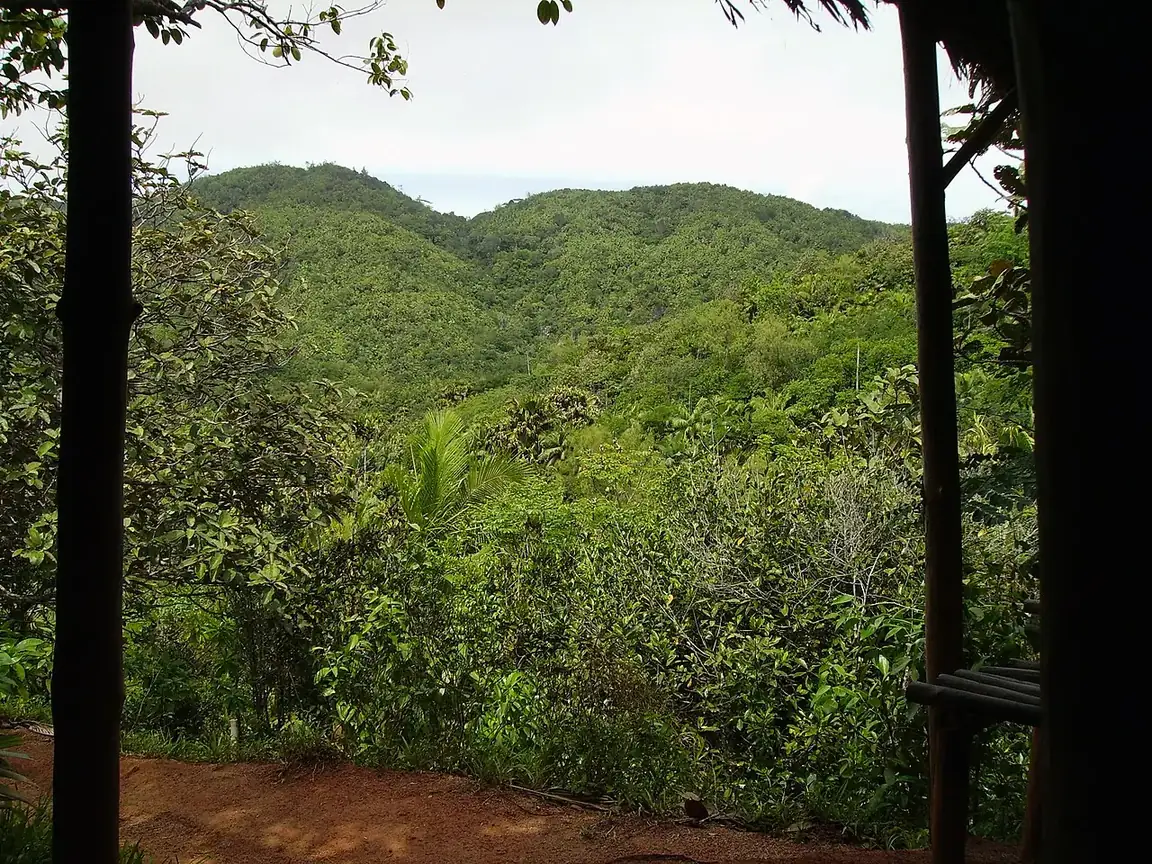 Photo: Auteur inconnu · CC BY-SA 3.0
Published by Adama Doumbia, founder of Afrique Unie · updated 28 November 2026 · our method and sources
- Days 1-2
Victoria and the north coast of Mahé
The international airport lies on the east coast of Mahé, about ten kilometres south of Victoria. On the first day, settle in around Beau Vallon, the long beach on the north-west coast, and enjoy the sunset facing Silhouette Island. The next morning, head into Victoria, one of the smallest capitals in the world: the covered market, at its liveliest on Saturday mornings, the little clock tower, the brightly painted Hindu temple and the botanical garden, home to giant tortoises. In the afternoon, with good shoes, follow the coastal trail from the far end of Beau Vallon to Anse Major, a wild cove with no road access, an hour to an hour and a half away on foot.
- Day 3
Morne Seychellois and the southern beaches
Devote this day to the mountainous interior and the south of the island, ideally with a hire car. The Sans Souci road crosses Morne Seychellois National Park: stop at the Mission ruins, a former school for the children of freed slaves, whose viewpoint overlooks the west coast, then visit the nearby tea plantation. Walkers can climb Copolia, roughly two hours there and back, for a sweeping view over Victoria and the islets of the Sainte Anne Marine Park. In the afternoon, drive south to Anse Intendance and Anse Takamaka. During the south-east trade winds, the swell often makes swimming dangerous there, so respect the flags and signs. Get back before dark, as the mountain roads are narrow and winding.
- Days 4-5
Praslin, the Vallée de Mai and Anse Lazio
Reach Praslin by fast ferry from Victoria harbour, in about an hour, or on a short domestic flight. On the first morning, enter the Vallée de Mai early: this UNESCO-listed forest is home to the coco de mer palm, whose nut is the largest seed in the plant kingdom. The marked trails, from one to three hours long, sometimes let you hear or glimpse the black parrot, a bird found only on the island. The next day, head north-west to Anse Lazio, often named among the finest beaches in the archipelago: soft sand, turquoise water and granite boulders at each end, perfect for snorkelling when the sea is calm. If you can, add Anse Georgette, where access is restricted, so ask locally the day before.
- Day 6
Curieuse and St Pierre by boat
Book a boat trip to the neighbouring islands, leaving from the Anse Volbert coast. Curieuse, a protected reserve, is home to a colony of Aldabra giant tortoises that you can approach near the beach. A trail then crosses the mangrove on wooden boardwalks and leads to the Doctor's House, the former residence of the physician of the leper colony that occupied the island from 1829 to 1965, now a small museum. Most trips also stop at St Pierre, a tiny granite islet topped with coconut palms, for a snorkelling session among reef fish. Bring water, sunscreen and a T-shirt to swim in: the sun is fierce on the water. In the evening, try a coconut curry or grilled fish.
- Days 7-9
La Digue by bike and Anse Source d'Argent
A fifteen-minute boat ride separates Praslin from La Digue, where most people get around by bike: rent one as soon as you arrive at La Passe. On the first day, cross the old L'Union plantation, with its copra mill and colonial house, to reach Anse Source d'Argent and its huge granite boulders shaped by erosion. Come early and check the tide: at very low tide, the water is too shallow for swimming. The next day, cycle to Grand Anse, then walk on to Petite Anse and Anse Cocos, staying out of the water when the sea is rough. On the third day, look for the paradise flycatcher, the island's rare bird, in the small reserve dedicated to it, then climb to Nid d'Aigle, the highest point of La Digue.
- Day 10
Back to Mahé and departure
Take a morning ferry to Mahé, either direct from La Digue or with a change on Praslin depending on the day's timetable, and allow about an hour and a half for the crossing. Leave a comfortable margin before your flight: the sea can be rough, especially during the south-east trade winds, and delays are always possible. If your plane leaves in the evening, spend a few hours in Victoria for a last stroll through the market, where you will find spices, local tea and vanilla, or swim at Anse Royale, south of the airport. The most cautious sleep on Mahé the night before, which takes the stress out of the last day.
Getting around
On Mahé, a hire car gives you the most freedom; traffic drives on the left, on narrow and steep roads. Public buses also serve most villages on Mahé and Praslin, if you are patient. Between the islands, fast ferries link Mahé, Praslin and La Digue several times a day, and short domestic flights connect Mahé with Praslin: book ahead in high season. On La Digue, a bike is enough for almost everything.
When to do this trip
The best periods are April to May and October to November, between the two monsoons: light winds, a generally calm sea and very clear water, ideal for snorkelling. From December to March, the north-west monsoon brings heat, humidity and sometimes heavy showers. From June to September, the south-east trade winds cool the air but stir up the sea and make some beaches dangerous; seaweed sometimes builds up on exposed coasts. The archipelago lies outside the usual path of cyclones.
The travel notebook
The itinerary, practical information (entry, health, money, emergencies) and the checklist in a few pages, to print or keep offline on your phone.
Variations
- In 7 days: keep two nights on Mahé, two on Praslin and two on La Digue, and drop the boat trip to Curieuse.
- In 14 days: add a few nights on a quieter island such as Silhouette, off Beau Vallon, or stay longer on La Digue with boat trips to Félicité, Coco and the Sisters.
- Aldabra Atoll, a UNESCO World Heritage Site, cannot be added to this trip: it is extremely remote and can only be visited on rare multi-day boat expeditions that require permits and are organised far in advance.