 AfriqueUnie
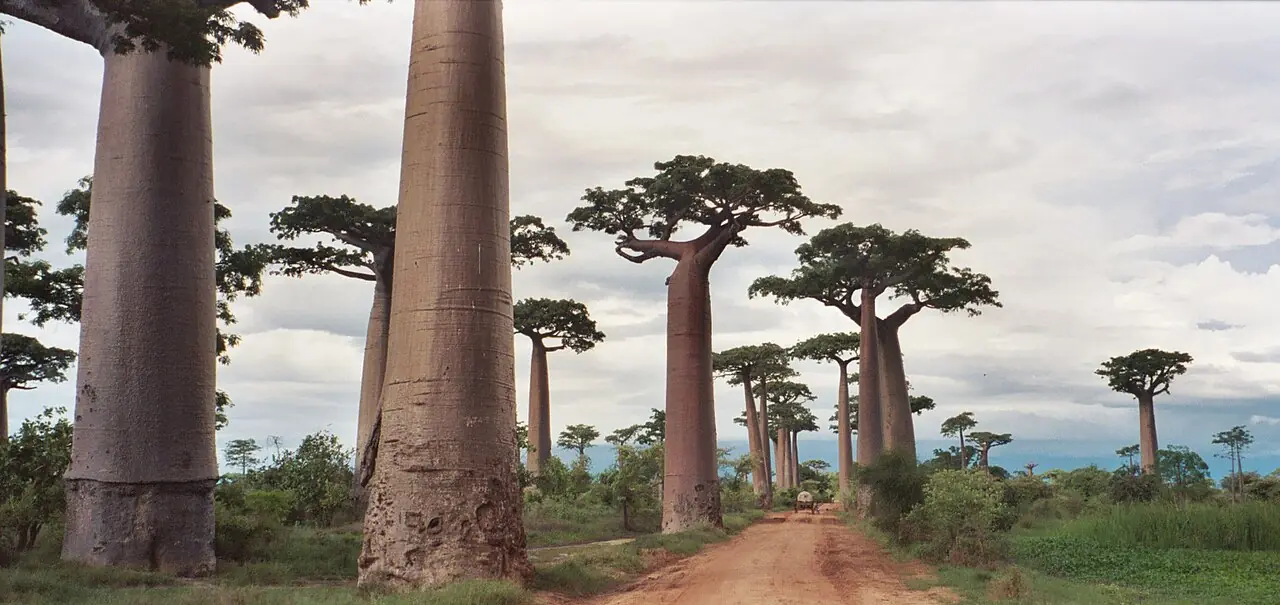 Photo: Pat Hooper from Chicago, IL, USA · CC BY-SA 2.0
Published by Adama Doumbia, founder of Afrique Unie · updated 28 November 2026 · our method and sources
Why go
Some twenty kilometres north of Morondava, a red-earth track runs between two rows of Grandidier's baobabs, a species endemic to Madagascar. Their smooth, massive trunks, up to around thirty metres tall for the largest, end in a crown of branches that look like roots, hence the legend of the tree planted upside down. Some are several centuries old.
These trees are the survivors of a dense forest that has since vanished, cleared for rice paddies and crops. They were spared by the local people and the site is now protected. At sunset the trunks turn pink and orange, then stand out as black silhouettes against the blazing sky, while zebu carts trundle slowly past under the gaze of children from the nearby villages.
Getting there
The avenue is about half an hour's drive north of Morondava, on the track to Belo-sur-Tsiribihina and the Tsingy. It can be reached by car, taxi, tuk-tuk or bicycle. It is often a stop on the way to the Tsingy, or a late-afternoon excursion from Morondava.
Frequently asked questions
How long do you need to visit the Avenue of the Baobabs?
One to two hours is enough to walk the avenue and photograph the trees. Most visitors come in the late afternoon and stay until sunset. You can combine the visit with the Baobabs Amoureux, two intertwined trees a little further along the same track.
How do you get to Morondava from Antananarivo?
The quickest option is a domestic flight from Antananarivo. By road, the route runs via Antsirabe and then the RN34 and RN35, taking a long day or two stages. Never drive at night: France's foreign ministry strongly advises against using national roads after dark, and the UK government recommends using a recognised tour operator on the RN35 because of highway robberies, and staying highly vigilant on the RN34.
When is the best time to visit the Avenue of the Baobabs?
The dry season, roughly April to November, brings passable tracks and often clear skies at sunset. During the rainy season, from December to March, access can become difficult, but pools at the foot of the trees create beautiful reflections. The road to the Tsingy de Bemaraha is often impassable in the rainy season.
Is there an entry fee for the Avenue of the Baobabs?
The site is a protected area, and visitors may be asked for a small contribution towards its upkeep and the neighbouring communities. Amounts and arrangements change, so ask on site or check with your guide. Buy crafts from local sellers to support the villages.
Which baobabs grow along the avenue?
The avenue is lined with Grandidier's baobabs, a species endemic to Madagascar and the largest of the island's endemic species. The biggest reach around 30 metres and are several centuries old. The Morondava region is also home to other baobab species, which can be seen in the Kirindy forest.
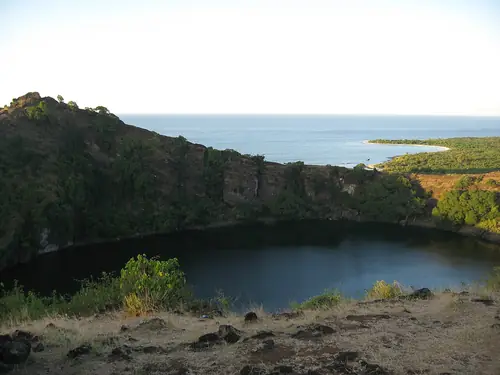
 Comoros
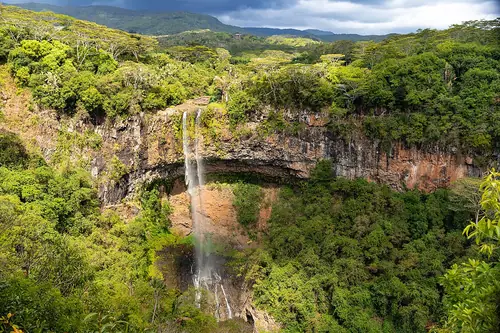
 Mauritius
 Seychelles