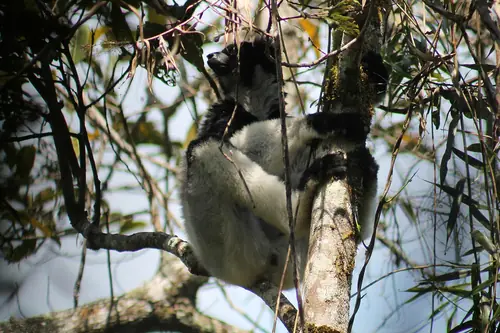
Broken away from Africa tens of millions of years ago, and later from India, Madagascar has followed its own evolutionary path. The result is a world apart: lemurs that dance across the sand or sing at dawn in the rainforest, chameleons of every size, bottle-shaped baobabs, and plants and birds found nowhere else on earth. For nature lovers, every trail brings a new encounter, from the plaintive song of the indri at Andasibe to the leaping sifakas of the west.
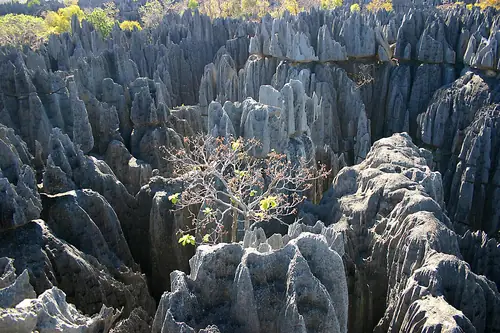
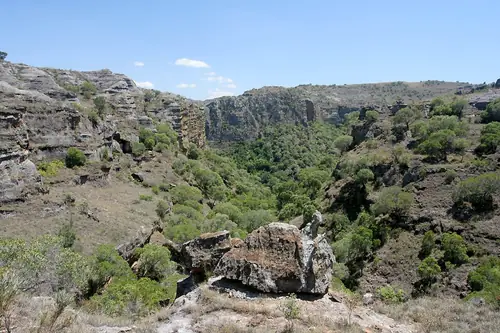
The island is huge, larger than France, and its landscapes change completely from one region to the next. The Highlands unfold in terraced rice paddies and villages of red-brick houses with steep roofs; the east is covered in rainforest and vanilla and clove plantations; the west and south sketch out dry plains, sandstone canyons, spiny forests and limestone pinnacles. Along the coasts lie lagoons, white-sand islands and the villages of Vezo fishermen who head out to sea in outrigger canoes.
Madagascar is also a warm and endearing people and a distinctive culture, at the crossroads of South-East Asia and East Africa. The Malagasy language is Austronesian in origin, rice farming resembles that of Borneo, and ancestor worship permeates daily life, from the painted tombs of the south to the ceremonies of turning the dead in the Highlands. Travelling here takes patience, as roads are slow and the unexpected is common. But those who accept this pace come away feeling they have discovered a continent in miniature, where every region has its own character, traditions and landscapes.
History and culture
The island was settled late, first by Austronesian seafarers from island South-East Asia, later joined by Bantu peoples from East Africa and by Arab and Swahili traders. Several kingdoms took shape, including that of the Merina in the Highlands. At the end of the 18th century King Andrianampoinimerina unified the region around Antananarivo, and his son Radama I extended his authority over much of the island with British support.
Queen Ranavalona I closed the country to foreign influence, before her successors opened it up again. France imposed a protectorate and then annexed the island in 1896, sending the last queen, Ranavalona III, into exile. The uprising of 1947 was put down with great bloodshed. Independence was declared in 1960. Since then the country has gone through several political crises, the most recent of which led to a change of power in 2025: find out about the current situation before you travel.
8 experiences not to miss in Madagascar
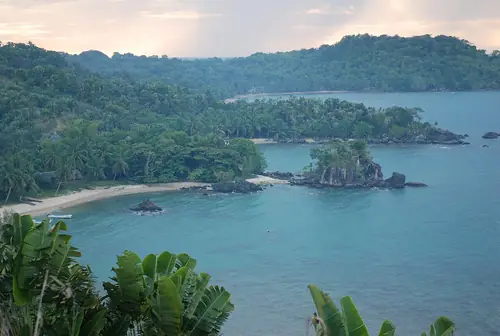
Photo : Heinonlein · CC BY-SA 4.001Listen to the indri at AndasibeAt daybreak, the powerful song of this large lemur echoes through the rainforest, just a few hours from Antananarivo.
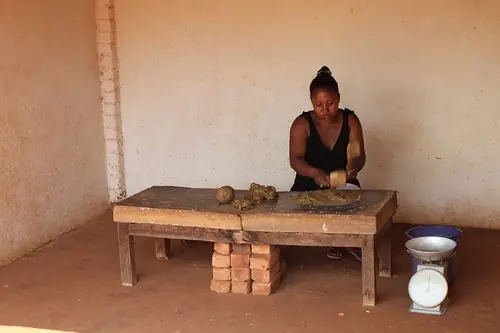
Photo : Heinonlein · CC BY-SA 4.008Visit an Antaimoro paper workshopIn Ambalavao, this traditional paper is made with dried flowers pressed into the fibre.
When to go to Madagascar
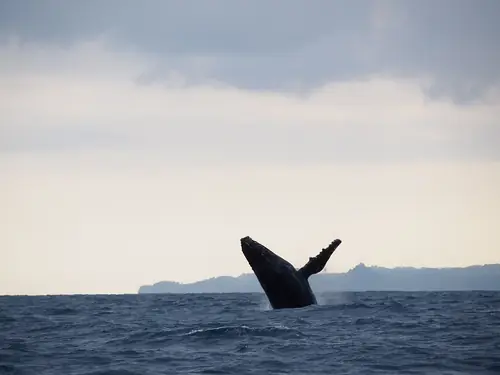
The best time to visit runs from April to November, during the dry season. From April to June the landscapes are still green after the rains and visitor numbers are moderate. From July to September temperatures are cool in the Highlands, with nights close to freezing in Antananarivo, but this is whale season. October and November are hot, perfect for watching lemurs with their young, and the jacarandas bloom in the capital. From December to March the rainy season makes many tracks impassable and closes some parks, such as the Tsingy, and cyclones can strike, especially on the east coast.
Getting around
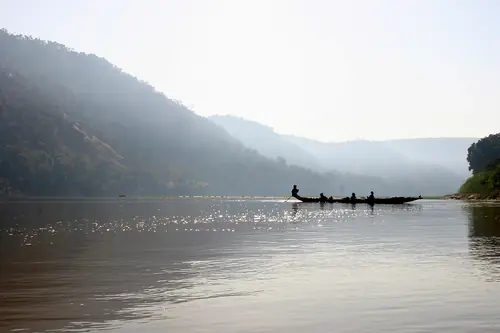
Distances are deceptive: the roads, often in poor condition, make journeys very long. Domestic flights run by the national airline save time, but their schedules change frequently, so leave some slack in your itinerary. The taxi-brousse, a shared minibus, is cheap and colourful but slow and uncomfortable over long distances. The solution many travellers prefer is to hire a vehicle with a driver, often a 4x4 in the west. Canoes, barges and boats complete the network on the rivers and out to the islands. Avoid driving at night.
Etiquette and customs
Respecting fady, taboos specific to a region, a family or a place, is essential: it may be fady to point at a tomb, to wear red at a sacred site or to eat certain foods. Ask your guide for advice. Malagasy people value gentleness, patience and compromise; raising your voice is frowned upon, and bargaining is done with a smile. Tombs, sacred trees and certain lakes should be approached with respect, and not photographed without permission. To say hello, a “Manao ahoana” or “Salama” opens many doors. A small, useful gift is appreciated when you visit a village.
Food and drink in Madagascar
Rice, vary, is the basis of almost every meal, morning, noon and night. It comes with laoka, simmered side dishes. Romazava, a zebu stew with leafy greens, including brède mafane, which makes the tongue tingle, is often considered the national dish. Ravitoto combines pounded cassava leaves with pork, and zebu is also enjoyed grilled on skewers. On the coasts, fish, prawns and crab are cooked in coconut milk. To finish, drink a ranon'apango, burnt-rice water, and try koba, a cake of rice, peanuts and banana. Mofo gasy, little rice-flour breads, are the street breakfast.
The best time to visit Madagascar: April to November.
What should I see first in Madagascar?
The must-sees: Avenue of the Baobabs, Tsingy de Bemaraha, Isalo National Park, Île Sainte-Marie.
Which cities should I visit in Madagascar?
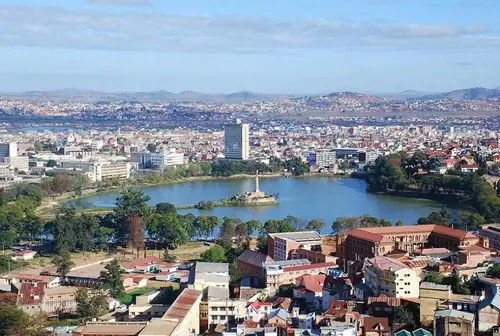
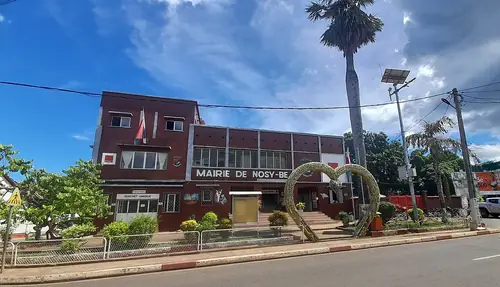
Antananarivo, Nosy Be, Morondava. The capital is Antananarivo.
How much should I budget for a trip to Madagascar?
Budget: around €30–60 per person per day, excluding flights. This is only a guide and depends above all on the accommodation and activities you choose.
What currency and languages are used in Madagascar?
The main international airport has the code TNR. Compare flights with the ‘Flights’ button on this page.
Do I need a visa to visit Madagascar?
Entry requirements depend on your nationality and change regularly. Check them on the country's official website or with your foreign ministry before booking, and make sure your passport is valid.
What should I eat in Madagascar?
Dishes to try while you're there: Romazava, ravitoto, grilled zebu.
Distances are long and roads often slow: Madagascar Airlines (formerly Air Madagascar/Tsaradia) links Antananarivo with Nosy Be, Toliara, Fort-Dauphin or Diego-Suarez, with schedules sometimes changed at the last minute. Taxi-brousse, shared minibuses, serve the whole country, notably along the RN7 to Antsirabe, Fianarantsoa and Toliara, with long and tiring journeys. The Fianarantsoa–Manakara train (FCE) has suffered long interruptions, so check locally whether it is running. A car with driver, widely available and safer than driving yourself, is the most popular option; traffic drives on the right and night driving is best avoided.
Health and safety
Yellow fever
Certificate required only if you arrive from, or transited through, a country with a risk of yellow fever (from 9 months, incl. airport transits over 12 h); vaccine generally not recommended.
Malaria
Present throughout the country (rare in Antananarivo): ask a doctor about preventive medication and protect yourself from mosquitoes.
Water and food
Unless your accommodation says otherwise, drink sealed bottled or filtered water, and wash your hands often.
Sources: France Diplomatie, Viaggiare Sicuri, Belgian Foreign Affairs, GOV.UK, checked in November 2026. All 54 countries
Entry requirements (visas, vaccinations) and security conditions change regularly: check them with the official authorities before booking. Official tourism website: Office national du tourisme de Madagascar.
Affiliate cookiesWe would like to load a script from our partner Travelpayouts. It may set cookies so that we receive a commission when you book through our links, at no extra cost to you. If you decline, the site works in exactly the same way. Find out more
 AfriqueUnie
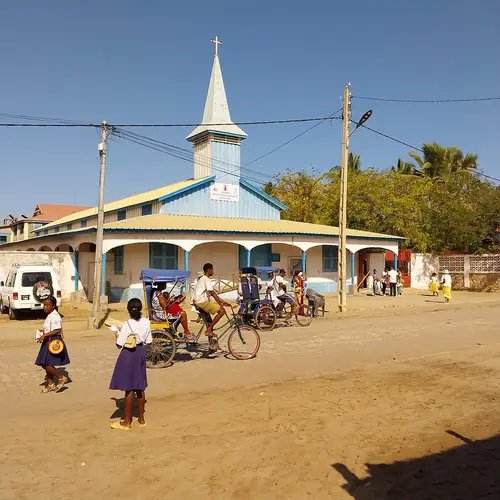
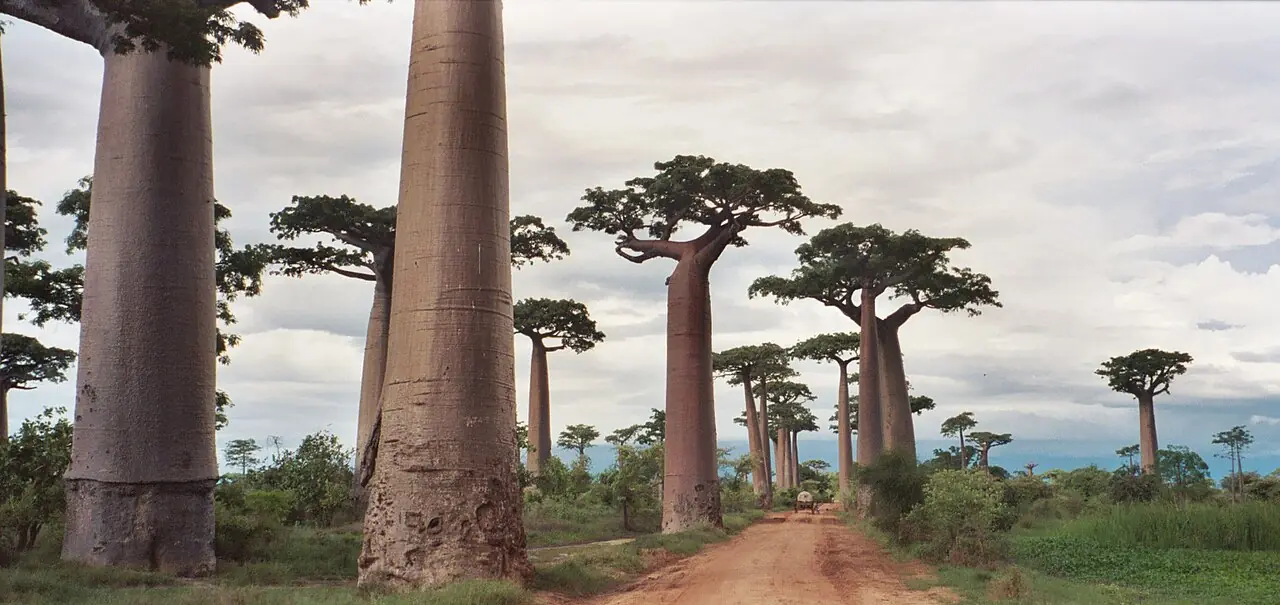 Photo: Pat Hooper from Chicago, IL, USA · CC BY-SA 2.0
 Madagascar
 Madagascar or Seychelles
 Comoros