 AfriqueUnie
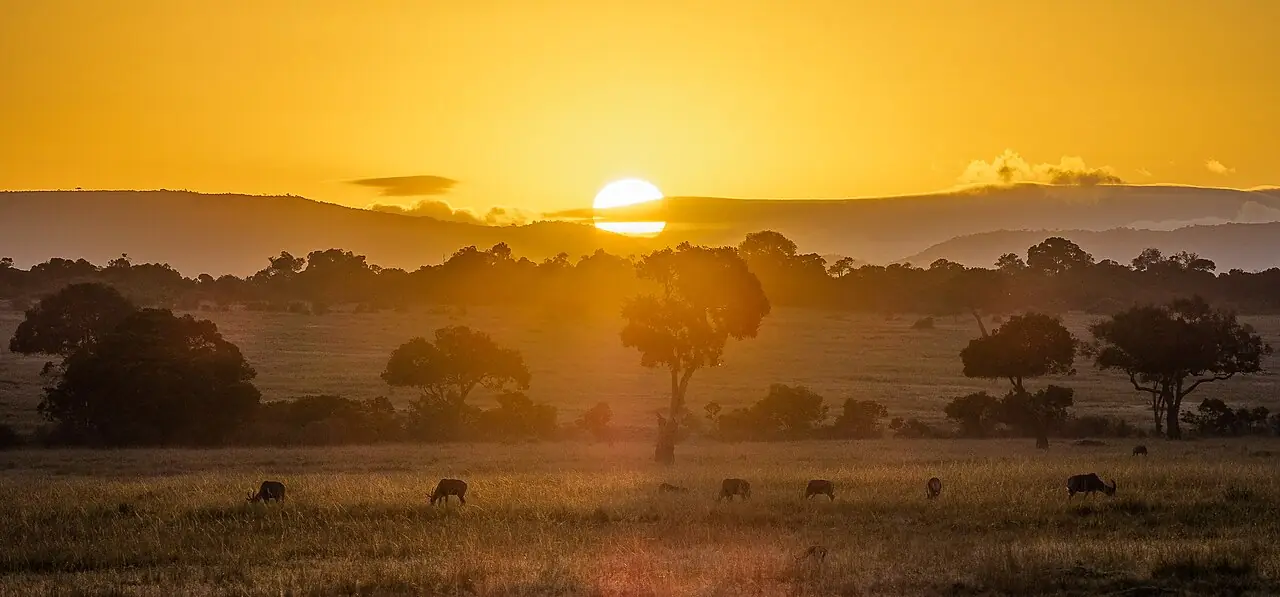 Photo: Danijel Mihajlovic · CC BY-SA 4.0
- Our verdict
- Peak season: ideal
- Afternoon in Nairobi
- 27 °C
- Night
- 14 °C
- Rain
- 58 mm, about 4 days
- The country's best time
- July to October, January to February
What to expect in Kenya in January
January opens the short dry season in Kenya. In Nairobi and across the highlands, days are warm and bright, nights stay cool because of the altitude, and any showers are brief. On the coast, from Mombasa down to Diani Beach, it is much hotter and more humid, with the sea at around 28°C. In the parks, the grass left green by the November rains slowly turns gold.
This is high season, but a calmer one than July and August: after the first week of January the holiday crowds have gone home and the tracks of the Masai Mara are less busy. The wildebeest of the Great Migration are in Tanzania at this time; the Mara still has its lions, cheetahs and elephants all year. January suits anyone combining safari and beach, less so those dreaming of river crossings.
What to do in Kenya in January
Amboseli and Kilimanjaro
January's dry air often clears the summit of Kilimanjaro early in the morning and late in the afternoon, before and after the midday cloud. It is one of the best times to photograph Amboseli's elephants in front of the mountain. Set off as the park opens: by ten o'clock the summit is often already hidden.
Diving and snorkelling at Diani
From December to March the north-east wind, the kaskazi, leaves the sea calm and clear along the south coast. Underwater visibility is then at its best of the year on the reef off Diani Beach. Whale sharks are sometimes reported offshore at this time of year, with no guarantee at all.
Climbing Mount Kenya
January and February are one of the two dry windows for climbing Mount Kenya, along with August and September. The trails are less muddy and the sky is often clear at dawn on Point Lenana, the summit open to trekkers. It freezes at night at altitude, so proper mountain kit is still essential.
Migrant birds
From November to March, birds from Europe and Asia winter in Kenya and join the resident species. Lake Nakuru and the neighbouring Rift Valley lakes are then very rewarding for birdwatching, as are the swamps of Amboseli. Flamingo numbers vary a great deal from one year to the next with the water level.
Our tips for this month
Pack light clothes for the coast and a fleece for dawn game drives, which are chilly in Nairobi and in the Mara alike. Book early if you arrive before 5 January. For long journeys, choose the train or a flight over the bus, and do not drive at night outside towns. Lamu and Manda islands should be reached by air only, as the rest of Lamu County is advised against. See a doctor before you leave about malaria prevention.
Frequently asked questions
Is Kenya hot in January?
Yes. In Nairobi, afternoons reach about 27°C but nights drop to around 14°C because of the altitude. On the coast, in Mombasa or Diani, it is over 30°C and very humid.
Is January a good time for a safari in Kenya?
Yes, it is the short dry season: tracks are passable and animals are easy to see. The Great Migration, however, is not in the Masai Mara then; the herds are in Tanzania.
Can you swim at Diani in January?
Yes, the sea is about 28°C and usually calm and clear. It is one of the best times of year for swimming, snorkelling and diving on the south coast.
Temperatures and rainfall: averages measured in Nairobi (climate table of the Wikipedia article “Nairobi”). The climate varies by region, and any given year can differ from the averages.
Plan
Go further
Guides