 AfriqueUnie
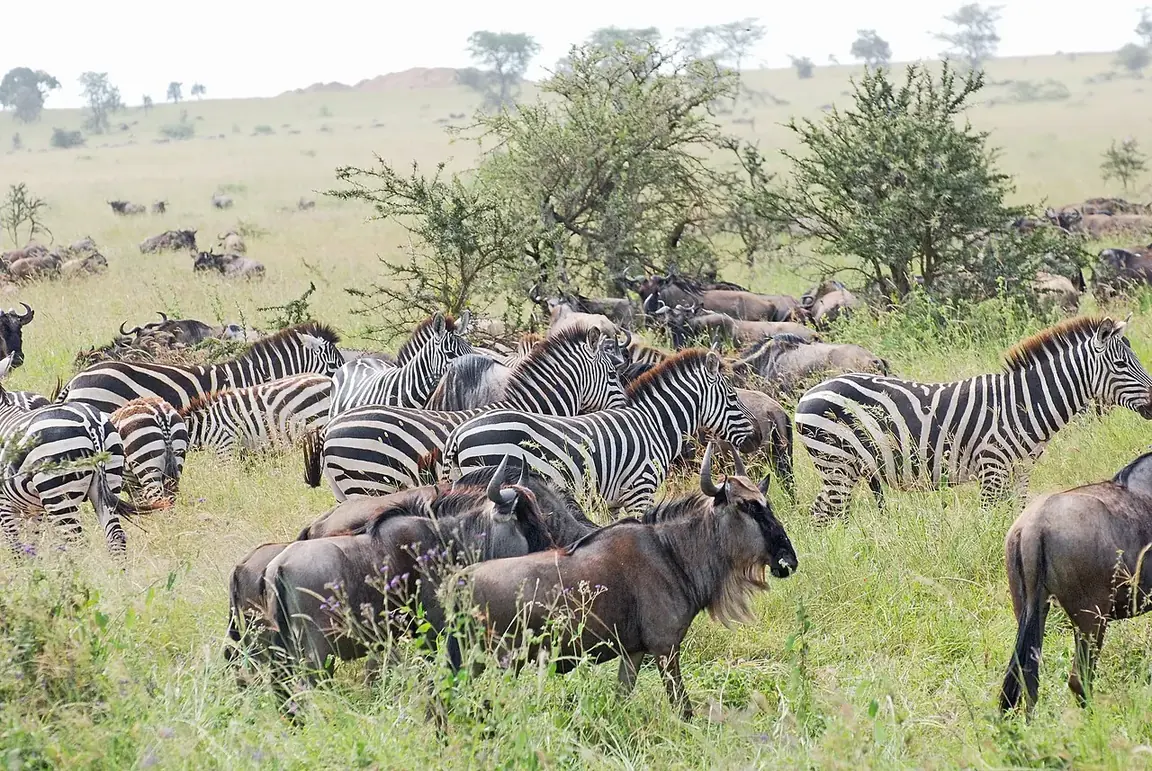 Photo: Harvey Barrison from Massapequa, NY, USA · CC BY-SA 2.0
- Our verdict
- Peak season: ideal
- Afternoon in Dodoma
- 30 °C
- Night
- 19 °C
- Rain
- 117 mm, about 8 days
- The country's best time
- June to October, January to February
What to expect in Tanzania in February
February carries on from January. In the north, the lull between the two rainy seasons continues: hot days, changeable skies, brief thundery showers and intensely green savannah. In the centre, around Dodoma, it still rains on about eight days in the month, at nearly 30°C. In Zanzibar it is one of the hottest and driest months of the year, with 32 to 33°C and the sea at 29°C.
Visitor numbers are moderate, with a rise during European school holidays that is concentrated in the southern Serengeti. February is calving month for the wildebeest: a highlight for anyone keen on wildlife and predators. It is a good choice for Kilimanjaro too. Travellers sensitive to humid heat will find Zanzibar trying, and the long rains are approaching: they usually begin in March.
What to do in Tanzania in February
The calving season
In February, hundreds of thousands of wildebeest calves are born within a few weeks on the plains of the southern Serengeti and Ndutu. The newborns are on their feet within minutes. Lions, cheetahs and hyenas make the most of the abundance: hunts are frequent and can be hard for younger children to watch.
Kilimanjaro before the rains
February remains a good time to climb Kilimanjaro, with mornings that are often clear and fewer people than in August. Ideally, set off in the first half of the month to keep a margin before the long rains. The summit is attempted at night in biting cold: gloves and a down jacket are compulsory.
The birds of Tarangire National Park
In the green season, the elephants of Tarangire National Park scatter, but birdlife is at its peak: resident species in breeding plumage and migrants from Europe. Baobabs in leaf and swamps full of water make for fine scenery. Bring insect repellent, as tsetse flies are active in places.
Stone Town in the early morning
In this heat, Zanzibar's old town is best visited early in the morning or late in the afternoon: carved doors, narrow lanes, the old fort. The Sauti za Busara festival, often associated with February, is announced for 19 to 21 March 2027. In February 2027 the town will be living to the rhythm of Ramadan.
Our tips for this month
In 2027, Ramadan is expected to begin around 8 February, on a date that depends on the sighting of the moon. In Zanzibar, which is overwhelmingly Muslim, do not eat, drink or smoke in public during the day, and dress modestly away from the beaches; some Stone Town restaurants close until the evening. Bring light clothes, a rain jacket and strong sun protection. Avoid night driving and minibuses.
Frequently asked questions
When is the wildebeest calving season in Tanzania?
Calving usually peaks in February, in the southern Serengeti and around Ndutu. Hundreds of thousands of calves are born within a few weeks, and the timing varies slightly with the rains.
Is Zanzibar too hot in February?
It is very hot: 32 to 33°C during the day, with high humidity, and the sea is at 29°C. That is pleasant for the beach, less so for sightseeing at midday.
Can you travel to Zanzibar during Ramadan?
Yes, beach hotels operate as normal. In town and in the villages, you should avoid eating and drinking in public during the day and dress modestly. Some restaurants only open at sunset.
Temperatures and rainfall: averages measured in Dodoma (climate table of the Wikipedia article “Dodoma”). The climate varies by region, and any given year can differ from the averages.
Calendar
Events in February
- Kilimanjaro Marathon · Sunday 7 February 2027 (brought forward from the earlier date of 21 March)
Plan
Go further
Guides