 AfriqueUnie
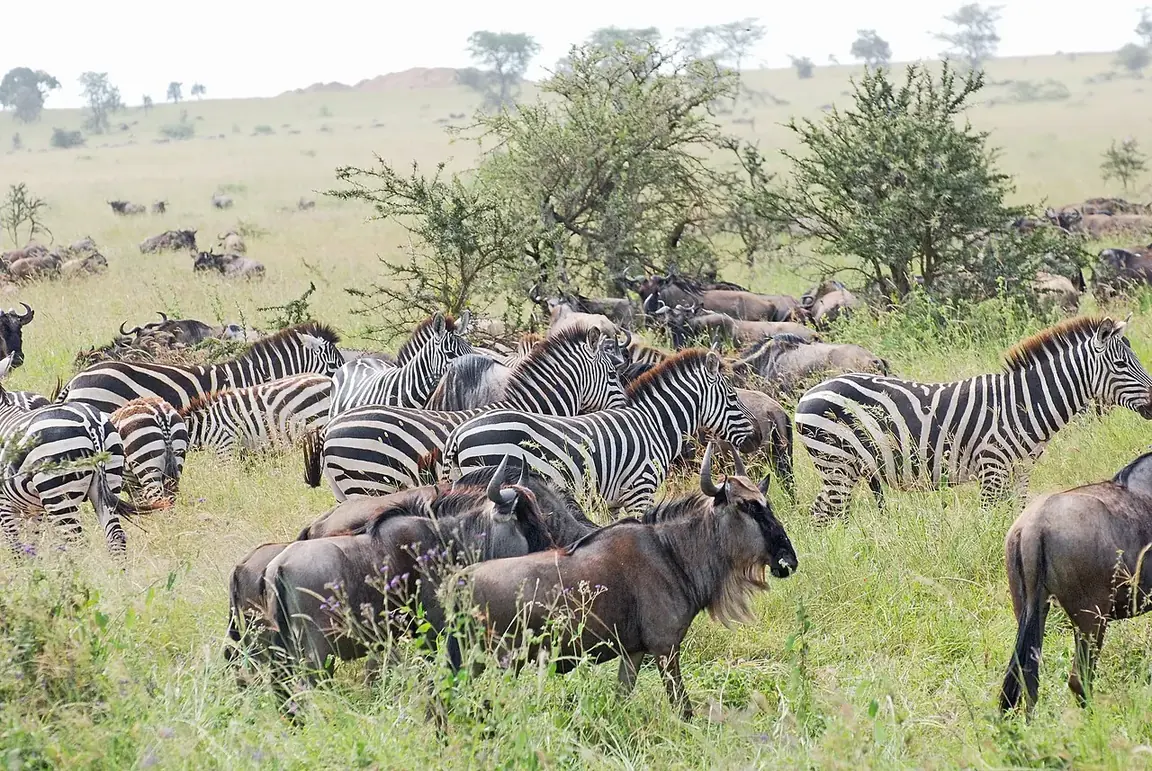 Photo: Harvey Barrison from Massapequa, NY, USA · CC BY-SA 2.0
- Our verdict
- Peak season: ideal
- Afternoon in Dodoma
- 27 °C
- Night
- 14 °C
- Rain
- almost none
- The country's best time
- June to October, January to February
What to expect in Tanzania in July
July is the heart of the dry season: hardly a drop of rain falls inland. In Dodoma, afternoons reach 26 to 27°C and nights drop to about 14°C. Higher up, in Arusha and above all on the rim of the Ngorongoro Crater, mornings are downright cold. In Zanzibar the air is drier and milder than in the southern summer, at around 28 to 29°C, with a steady breeze.
This is peak season: sparse vegetation and scarce waterholes make wildlife easy to see, and European holidays fill the camps. Prices are at their highest in the Serengeti and in Zanzibar. July is the best choice for a first safari and for combining bush and beach with no risk of rain. Travellers who want to escape the crowds should look towards the northern sector of Nyerere National Park, which is far less visited.
What to do in Tanzania in July
The migration heads to the northern Serengeti
In July the wildebeest usually leave the west of Serengeti National Park, where they cross the Grumeti River, and head north. The first crossings of the Mara River often take place during the month. The timing varies with the rains, so it is best to plan several nights in the northern sector.
The elephants of Tarangire National Park
As the bush dries out, elephants gather in their hundreds along the Tarangire River, one of the last water sources in the region. July marks the start of the best period, which lasts until October. The park's giant baobabs give the landscape a look all of its own.
Boat safari in Nyerere National Park
The dry season is the right time for Nyerere National Park, the former Selous Game Reserve. In its northern sector, served by air from Dar es Salaam, you can watch hippos, crocodiles and birds by boat on the Rufiji River. The park is far less visited than those in the north.
A dry Zanzibar
July brings dry, sunny weather to Zanzibar, with the sea at around 26°C. The beaches of Nungwi and Kendwa allow swimming at any state of the tide. On the east coast, the south-east wind, strong at this time of year, draws kitesurfers.
Our tips for this month
Book the Serengeti and Zanzibar six months to a year ahead. Pack warm layers for dawn game drives: a fleece, a windproof jacket and a hat, especially at Ngorongoro, then light clothes for the middle of the day. Dust gets everywhere: bring a scarf, eye drops and a cover for your camera. Do not drive at night, avoid minibuses and fly for long distances.
Frequently asked questions
Is July a good time for a safari in Tanzania?
Yes, it is one of the best. There is no rain, animals gather near water and the Great Migration moves north through the Serengeti. It is also the most expensive and busiest period.
Is Tanzania cold in July?
Days are mild, around 26 to 27°C inland, but nights are cool, at about 14°C. On high ground, on the rim of Ngorongoro, the temperature can fall below 10°C in the early morning.
What is the weather like in Zanzibar in July?
Dry, sunny and less humid than the rest of the year, with 28 to 29°C and a sea breeze. The sea is about 26°C, very pleasant for swimming.
Temperatures and rainfall: averages measured in Dodoma (climate table of the Wikipedia article “Dodoma”). The climate varies by region, and any given year can differ from the averages.
Plan
Go further
Guides