AfriqueUnie
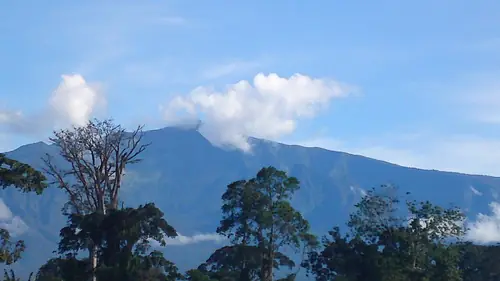
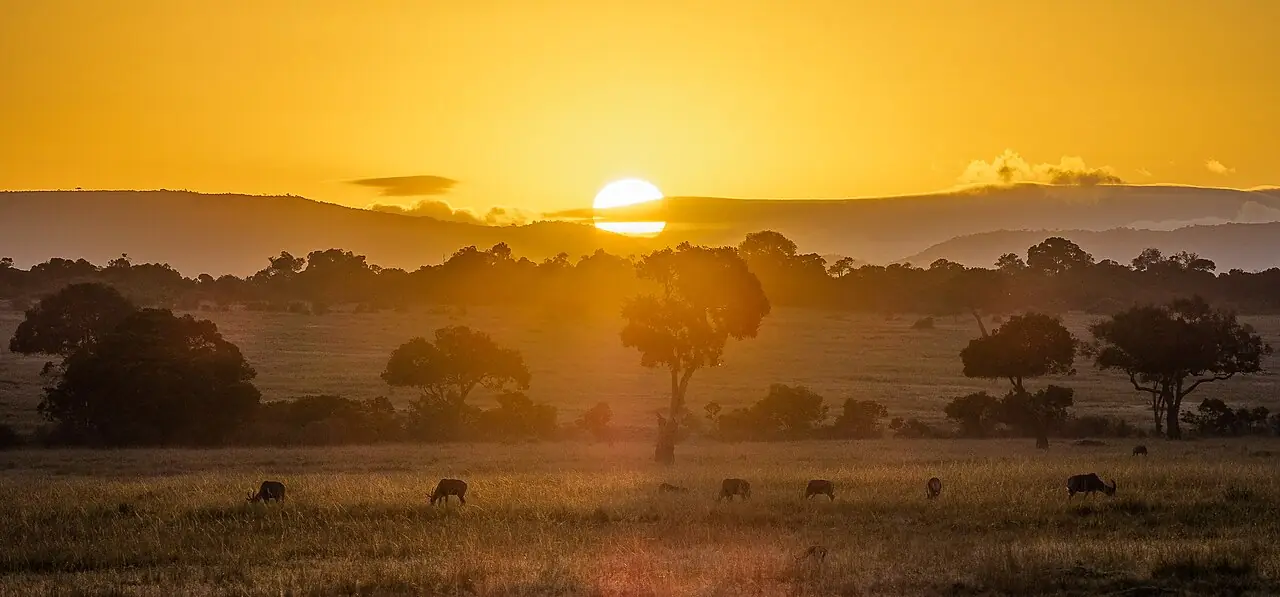 Photo: Danijel Mihajlovic · CC BY-SA 4.0
Published by Adama Doumbia, founder of Afrique Unie · updated 28 November 2026 · our method and sources
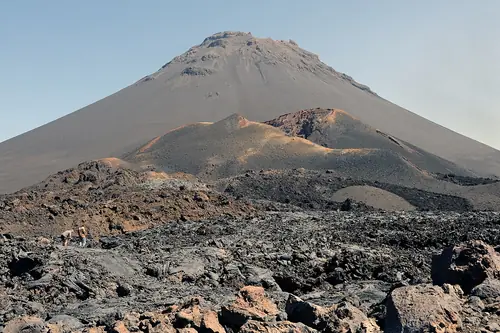
February carries January's conditions across much of the continent. West Africa is still in the dry season, from the Senegalese coast to the Gulf of Guinea: it is one of the last comfortable months before the heat rises sharply inland in March and April. In North Africa the days grow longer and gently warmer, ideal for walking, ancient sites and a first trip into the desert, where nights remain cool. In the Cape Verde islands the weather stays dry and breezy, with a slightly cool sea for swimming.
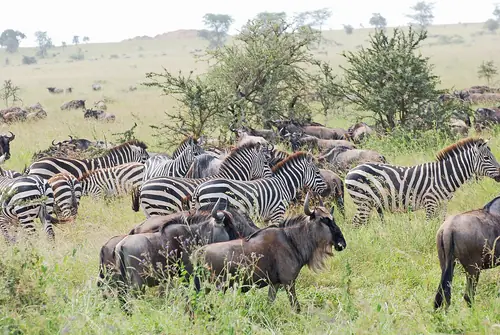
In East Africa the short dry season usually lasts until the end of February or early March. The grass is still fairly short in Kenya's parks, and the gorillas of Rwanda and Uganda are tracked on trails that are less muddy than in the rains. In southern Africa summer is drawing to a close, but the rains continue inland, in Botswana, Zambia and Zimbabwe, while the Cape Town area stays dry and warm. Madagascar and the Indian Ocean islands are still in cyclone season. In both Kenya and Tanzania it is also a good time to combine a safari with a few beach days on the Indian Ocean, at Diani or in Zanzibar.
February is also a festive month. Sauti za Busara brings musicians from across the continent to the Old Fort of Stone Town, in Zanzibar, for four days. In Cape Verde, the Mindelo Carnival follows the date of Shrove Tuesday and falls in February or March depending on the year. On 22 February, the sun lights up the sanctuary of Ramesses II at Abu Simbel, in Egypt. February half-term pushes up demand from the UK and elsewhere in Europe, so it is worth booking flights and accommodation early.

 Kenya
 Cape Verde
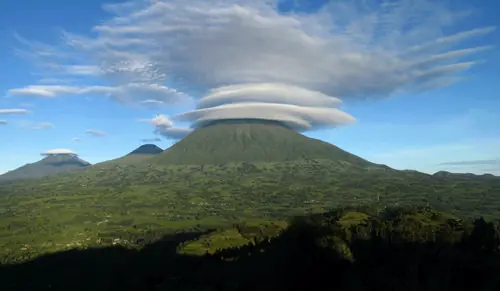
 Rwanda
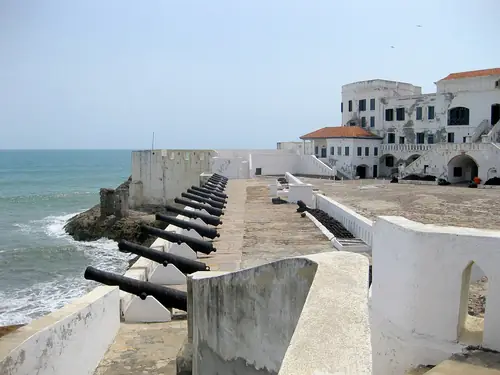
 Ghana
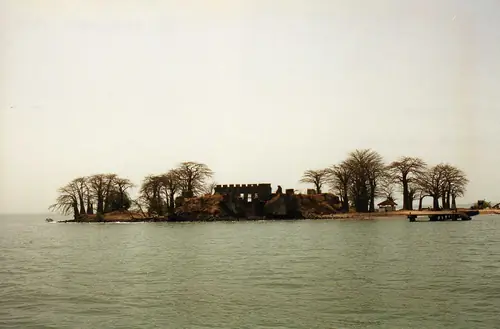
 The Gambia
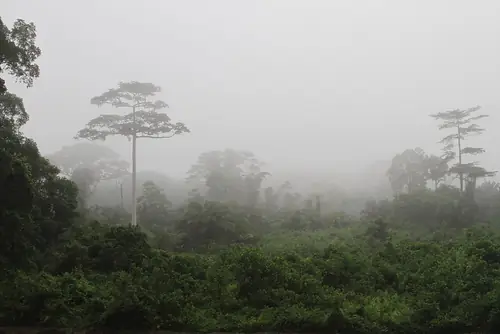
 Côte d'Ivoire
 Madagascar
 Zambia
 Egypt
 Tanzania