 AfriqueUnie
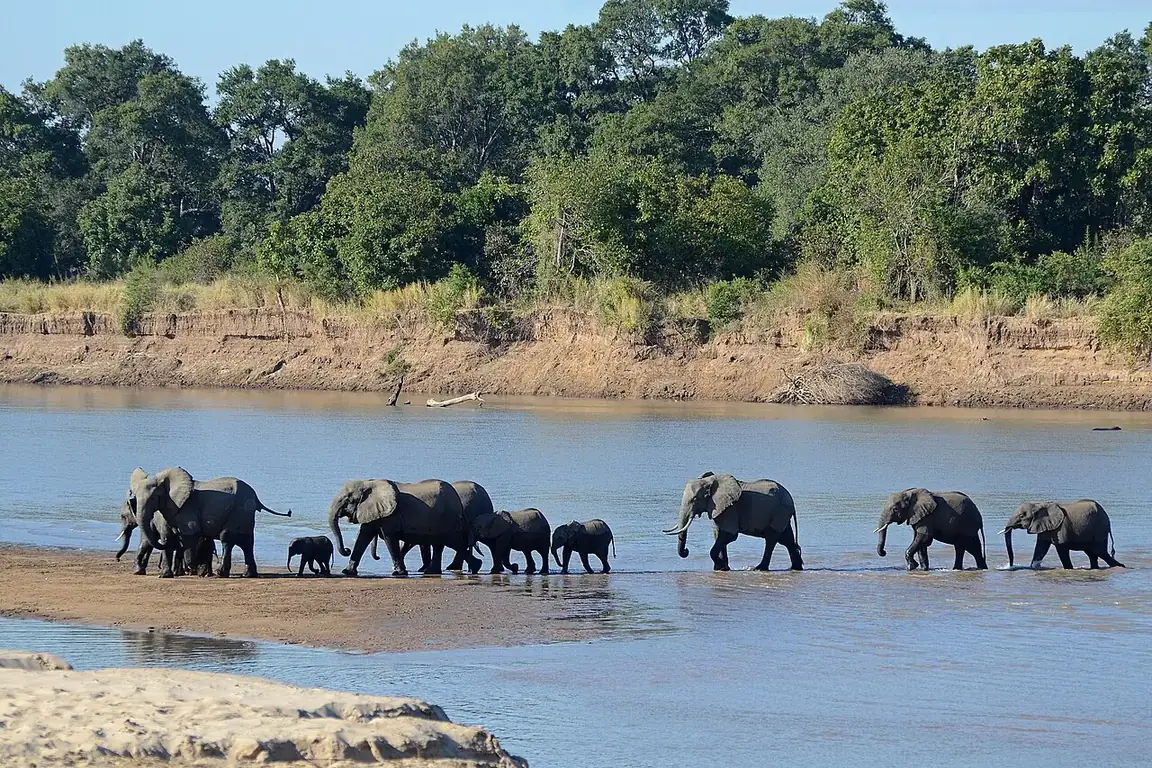 Photo: Geoff Gallice · CC BY 2.0
Secretive, solitary and most active at dusk, the leopard is the hardest of the Big Five to see. Yet it lives across almost all of sub-Saharan Africa: the key is choosing a park where leopards are used to vehicles and guides know their territories well.
Zambia's South Luangwa Valley is nicknamed the "valley of the leopard" and allows night drives. Southern Kruger and the neighbouring private reserves such as Sabi Sand, Samburu National Reserve in Kenya, the Seronera area of the Serengeti and the Okavango Delta also offer excellent chances.
Where to see them
- 1
South Luangwa National Park ·
 Zambia
Nicknamed the "valley of the leopard", it offers some of Africa's best chances, especially on the night drives allowed in the park.
- 2
Kruger National Park ·
 South Africa
The south of the park, around the Sabie River, and the neighbouring private reserves are known for leopards used to vehicles.
- 3
Samburu National Reserve ·
 Kenya
Along the Ewaso Ng'iro River, leopards rest in acacias and doum palms in a semi-arid landscape.
- 4
Serengeti National Park ·
 Tanzania
The Seronera area, with its tree-lined rivers and rocky kopjes, is one of East Africa's best places for leopards.
- 5
Okavango Delta ·
 Botswana
The delta's wooded islands, especially in Moremi Game Reserve, are home to leopards often spotted in trees.
- 6
Maasai Mara ·
KenyaLeopards hide along the Talek and Mara rivers and in thickets; experienced guides know their territories well.
- 7
Kafue National Park ·
ZambiaThis huge, little-visited Zambian park offers night drives on which leopards are regularly seen.
When to go
The dry season, June to October, is best: vegetation is thinner and leopards are easier to spot in trees or along rivers. Early mornings and late afternoons are the key times. In parks that allow night drives, such as South Luangwa or Kafue, outings after sunset greatly increase your chances.
Our tips
- Be patient: a leopard in a tree may stay still for hours, so wait for it to move rather than edging closer.
- On night drives, the spotlight should avoid the animals' eyes and never light up prey the leopard is hunting.
- Do not ask your guide to follow a leopard off-road where it is forbidden, or to linger when several vehicles are waiting.
- Stay seated and quiet: a disturbed leopard may abandon its kill, which lions or hyenas will then steal.
- Bring a telephoto lens and binoculars: leopards often keep their distance, hidden in the foliage.
Frequently asked questions
Where can you see leopards in Africa?
The best places are South Luangwa (Zambia), southern Kruger and the neighbouring Sabi Sand reserve (South Africa), Samburu National Reserve (Kenya), the Serengeti (Tanzania) and the Okavango Delta (Botswana).
Can you see leopards at night?
Yes, in parks that allow spotlit night drives, such as South Luangwa and Kafue in Zambia, or in private reserves. In most East African national parks, vehicles must be back before dark.
How do you tell a leopard from a cheetah?
A leopard has rosette-shaped spots and a stocky body, and it climbs trees. A cheetah has solid spots, a slender build and two black tear lines running down from its eyes.
When is the best time to see leopards?
The dry season, June to October, when vegetation is sparse, with game drives early in the morning and late in the afternoon.