 AfriqueUnie
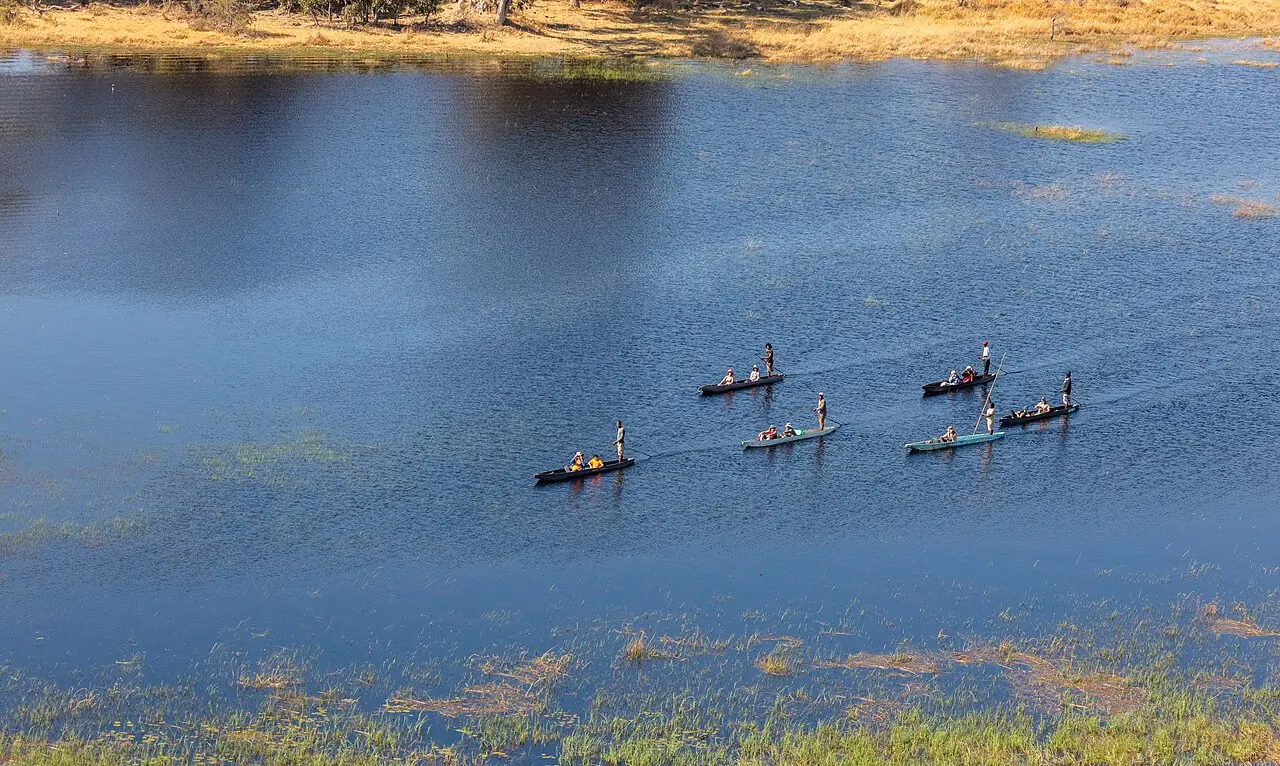 Photo: Diego Delso · CC BY-SA 4.0
Published by Adama Doumbia, founder of Afrique Unie · updated 28 November 2026 · our method and sources
Why go
This is one of the largest inland deltas in the world and a UNESCO World Heritage Site: a fan of fresh water that opens out in the middle of the Kalahari and never reaches the ocean. The rain that falls on Angola takes several months to arrive, so the flood peaks in the middle of the dry season. The delta then turns into a maze of crystal-clear channels, lagoons covered in water lilies, floodplains and islands wooded with palms and fig trees.
All the wildlife converges here: elephants crossing in single file, lions at ease in the water, buffalo by the hundred, wild dogs, leopards, red lechwe bounding through the marshes and shy sitatunga. The most singular experience is by mokoro, the traditional canoe once hollowed out of a tree trunk and today often made of fibreglass, pushed along with a pole by a poler. At water level, a world of detail opens up: painted reed frogs, kingfishers, the sound of a hippo at a safe distance.
Getting there
The heart of the delta and the Moremi Game Reserve are reached mainly by light aircraft from Maun, in twenty to forty-five minutes depending on the camp. The private concessions only take guests of their own lodges. Moremi is also accessible by 4x4 along the tracks, with public campsites that must be booked far in advance. On a tighter budget, mokoro trips of a day or several days leave from Maun for the eastern part.
Frequently asked questions
When is the water highest in the Okavango Delta?
The flood usually peaks between June and August, in the middle of the dry season, because the rain that falls in Angola takes months to arrive. This is the best time for mokoro and boat trips. When the water is low, roughly November to March, some shallow channels can no longer be navigated by mokoro.
Can you visit the Okavango Delta from Maun without staying in a camp?
Yes, day or multi-day mokoro trips leave from Maun for the eastern part of the delta. They are simpler and cheaper than staying in a camp in the heart of the delta, though wildlife is usually less dense. A scenic flight by light aircraft or helicopter from Maun also gives a superb overview.
Is a mokoro trip dangerous?
Mokoro trips are led by experienced polers who know the channels and how to avoid hippos and elephants. Stay seated, keep your hands out of the water and follow all their instructions. Guided walks on the islands also require strict respect for your guide's directions.
Is the Okavango Delta a malaria area?
Yes, northern Botswana, including the delta, is a malaria area, especially during and just after the rainy season, roughly November to April. See a doctor before you travel about suitable preventive treatment. Repellent, long sleeves in the evening and a mosquito net remain essential.
What should you know about luggage for the Okavango?
The light aircraft serving the camps generally require soft bags without wheels or frames, within a strict weight limit. Pack neutral-coloured clothing, a warm jacket for southern-winter mornings and binoculars. Check the exact weight allowance with your camp.
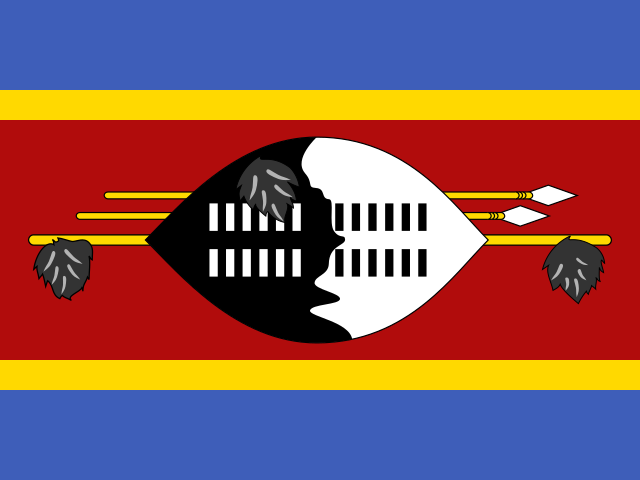 Eswatini
 Malawi
 Mozambique