 AfriqueUnie
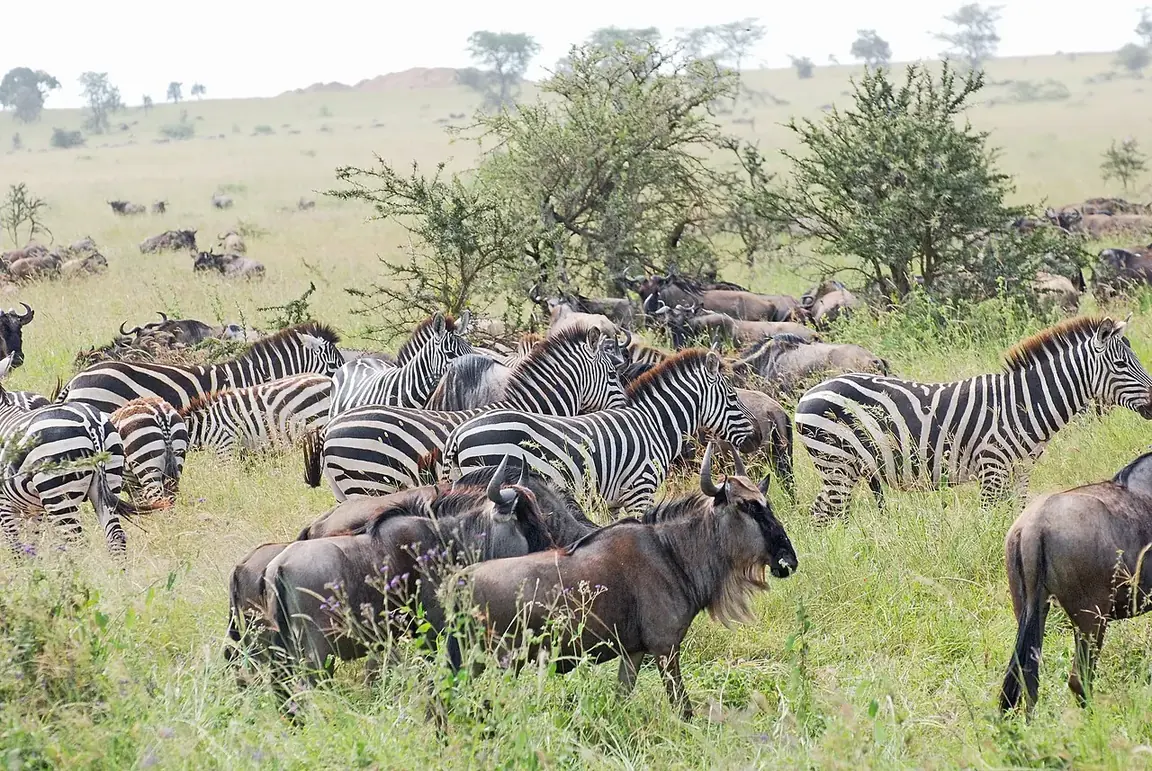 Photo: Harvey Barrison from Massapequa, NY, USA · CC BY-SA 2.0
Published by Adama Doumbia, founder of Afrique Unie · updated 28 November 2026 · our method and sources
Why go
Serengeti National Park, a UNESCO World Heritage Site, covers almost 15,000 square kilometres of plains, wooded hills and kopjes, the granite outcrops where lions and leopards love to perch. Together with Kenya's Masai Mara and the neighbouring reserves, it forms one of the most spectacular ecosystems on the planet. Its name comes from Maasai and conjures up plains stretching as far as the eye can see, which is exactly how it feels driving through the south of the park, where the horizon seems endless.
Above all, the Serengeti is the stage for the great migration, which moves through it all year round: calving on the southern plains around Ndutu in January and February, a move west towards the Grumeti corridor around May and June, and crossings of the Mara River in the north between July and October. The density of predators is exceptional, and your chances of seeing lions, cheetahs, leopards and hyenas are among the best in Africa. The Seronera Valley, in the centre, is famous for its leopards in the acacias.
Getting there
From Arusha you reach the Serengeti by road via the Ngorongoro area, allowing a long day, often broken by a night along the way. Domestic flights from Arusha or Zanzibar serve several airstrips in the park, including Seronera, Ndutu and Kogatende in the north. The park is vast: choose your area according to the season and the likely position of the herds.
Frequently asked questions
Where is the Great Migration in the Serengeti each month?
The herds follow a yearly cycle driven by the rains. They are generally in the south, around Ndutu, from December to March for the calving season, then move west to the Grumeti corridor around May and June, before reaching the north and the Mara River between July and October. Timings vary from year to year, so check the herds' latest position before choosing your camp.
How many days do you need in the Serengeti?
Allow at least three nights in the park, ideally four or more to explore two different areas. Driving in from Arusha takes most of a day, which cuts into game-viewing time. Flying in lets you make the most of the park.
Can you take a hot-air balloon safari in the Serengeti?
Yes, balloon flights take off at sunrise in several parts of the park, notably around Seronera. The flight lasts about an hour and should be booked in advance, especially in high season. It depends on the weather and may be cancelled if it is too windy.
When should you avoid the Serengeti?
The long rains, usually in April and May, turn some tracks muddy and a number of camps close. The park is still full of life, greener and far quieter. November, during the short rains, is often a good compromise.
Can the Serengeti be combined with other parks?
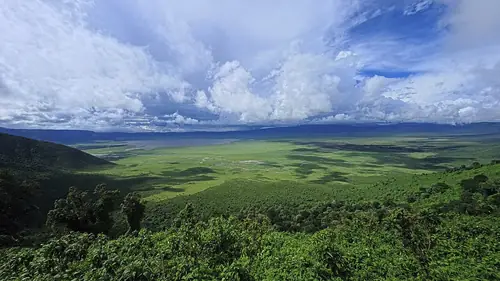
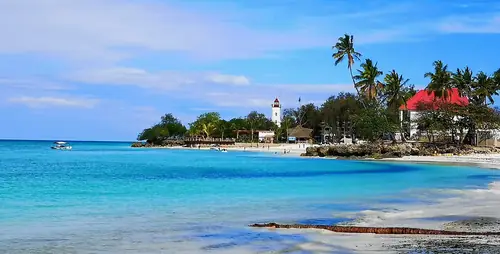
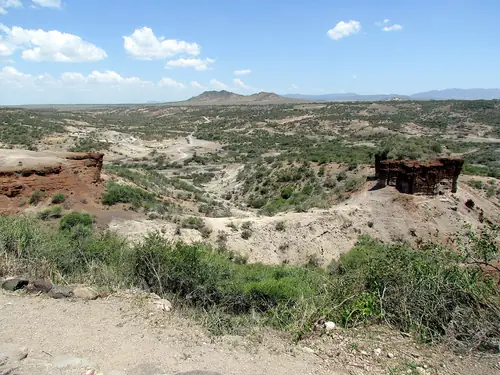
Yes, the classic northern Tanzania circuit pairs the Serengeti with the Ngorongoro Crater, which lies on the road from Arusha, and often Tarangire or Lake Manyara. Olduvai Gorge can be visited on the way. Many travellers finish with a few days on the beach in Zanzibar.

 Kenya
 Rwanda