AfriqueUnie
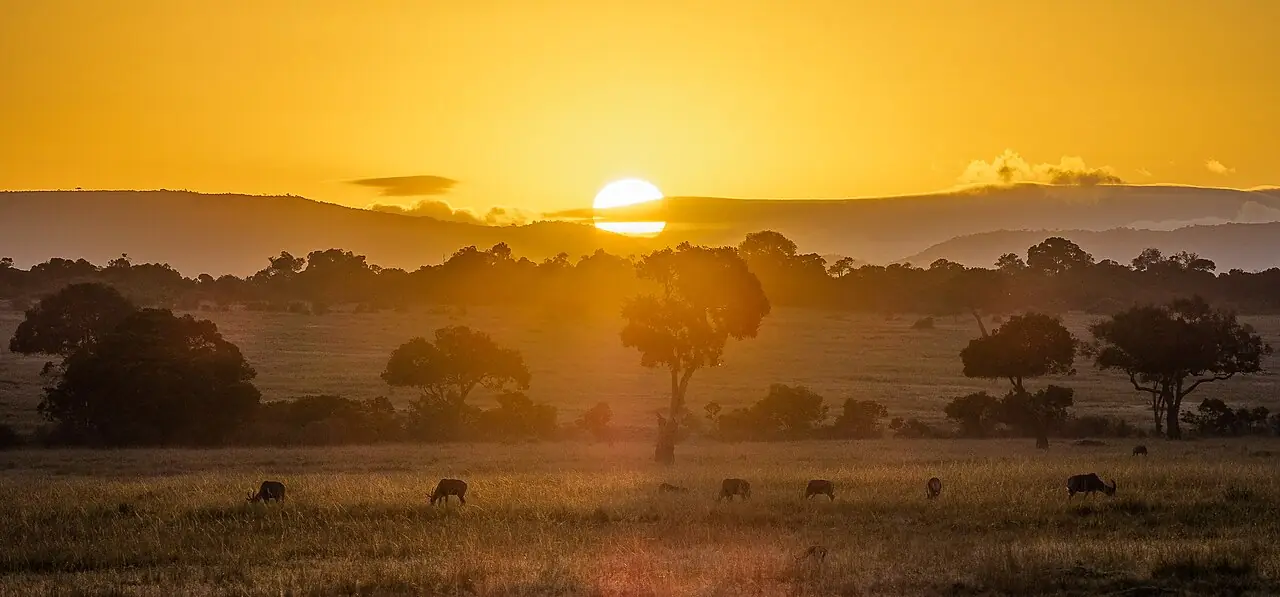 Photo: Danijel Mihajlovic · CC BY-SA 4.0
Published by Adama Doumbia, founder of Afrique Unie · updated 28 November 2026 · our method and sources
Why go
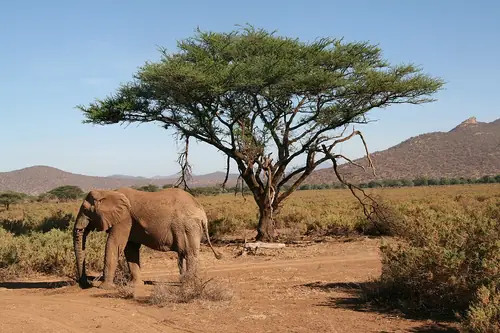
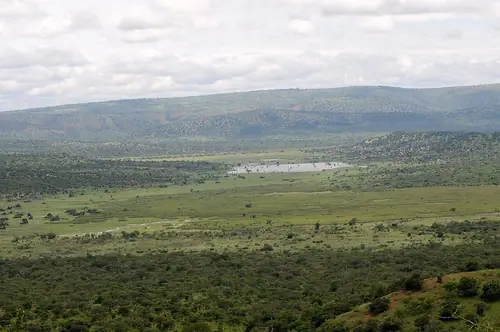
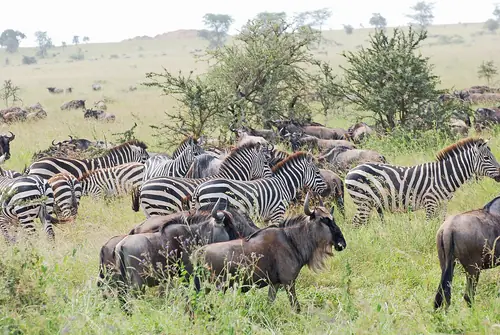
The Masai Mara National Reserve, in south-western Kenya, is the northern extension of Tanzania's Serengeti ecosystem. Its rolling plains, dotted with acacias and hills, are crossed by the Mara and Talek rivers, fringed with riverine forest. It is one of the richest areas on the continent for big predators: lions, leopards, cheetahs, hyenas. You will also see elephants, buffalo, Masai giraffes, hippos and a multitude of antelope, with a chance of spotting black rhinos.
The Mara is best known for the great migration, which generally arrives between July and October, with the dramatic crossings of the Mara River. But the reserve is beautiful all year round, as many animals are resident. Around the national reserve, the conservancies run with Maasai landowners offer a more intimate experience: a limited number of vehicles, walking safaris, night drives and direct income for the communities.
Getting there
From Nairobi the drive takes about five to six hours, descending into the Rift Valley, with a final stretch that can be bumpy. The most comfortable option is a domestic flight from Wilson Airport: in under an hour you land on one of the many bush airstrips, where your camp comes to collect you. Some travellers also link the Mara with Lake Nakuru or Lake Naivasha by road for a complete circuit.
Frequently asked questions
When can you see the Mara River crossings?
Crossings generally take place between July and October, when the migration is in the northern part of the ecosystem. They are unpredictable: the herds may wait for hours, or even days, before plunging in. Plan several nights to improve your chances.
Is it better to stay in the reserve or in a conservancy?
The national reserve gives direct access to the best-known areas, including the Mara River, but vehicles can be numerous in high season. Conservancies limit vehicle numbers and often allow walking safaris and night drives. Many travellers combine the two.
Can you take a hot-air balloon safari in the Masai Mara?
Yes, flights leave every morning at dawn from several parts of the reserve. The flight lasts about an hour and often ends with breakfast in the bush. Book ahead, especially from July to October.
Is the Masai Mara worth visiting outside the migration?
Yes, the reserve has abundant resident wildlife all year, including lions, leopards, cheetahs, elephants and buffalo. From January to March the scenery is lovely and visitor numbers are much lower. The long rains in April and May, however, can make some tracks difficult.
What should you pack for a Masai Mara safari?
Bring binoculars, a warm jacket for early-morning drives, a hat and sun protection. Neutral-coloured clothing is best. Domestic flights often have strict luggage weight limits and require soft bags, so check before you travel.
 Rwanda
 Tanzania