AfriqueUnie
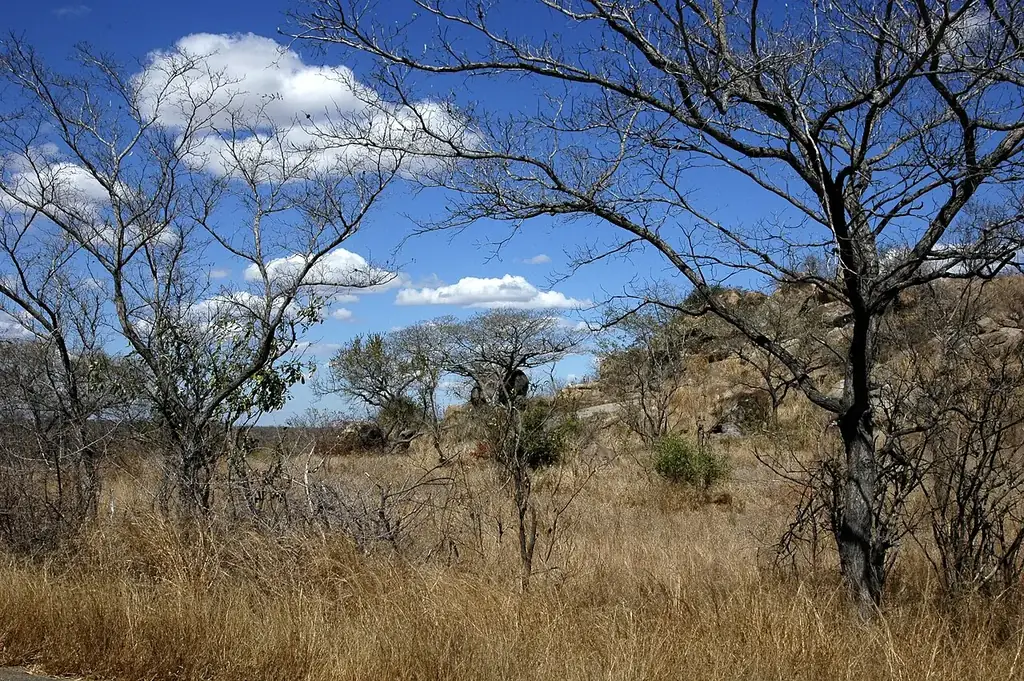 Photo: Amada44 · Public domain
Published by Adama Doumbia, founder of Afrique Unie · updated 28 November 2026 · our method and sources
Why go
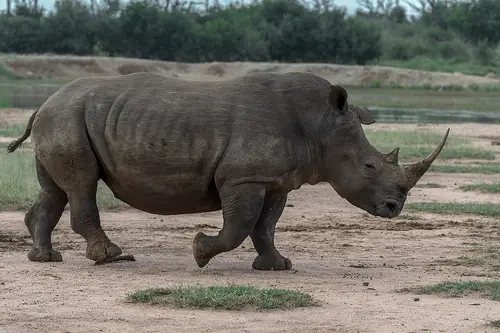
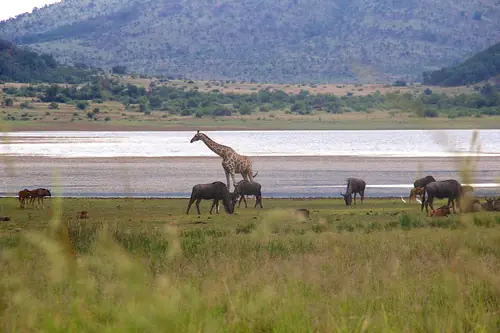
Created from a reserve founded in 1898, Kruger National Park covers nearly 20,000 square kilometres along the Mozambican border, in Limpopo and Mpumalanga provinces. It is one of the largest reserves in Africa, and one of the richest: the Big Five, lion, leopard, elephant, buffalo and rhino, are all present, as are cheetahs, African wild dogs, hippos and several hundred species of birds.
Its great strength is its accessibility. A network of tarred roads and gravel tracks lets you explore it in a hire car at your own pace, sleeping in camps run by South African National Parks, with bungalows, tents and campsites. The south of the park, around Skukuza and Lower Sabie, is the busiest and the richest in wildlife. The north, wilder and drier, attracts those in search of solitude. Along its edges, private reserves such as Sabi Sand offer upmarket guided safaris in open vehicles.
Getting there
From Johannesburg, allow around four to six hours by road to the southern gates, such as Malelane or Paul Kruger Gate. Domestic flights serve Kruger Mpumalanga International Airport, near Nelspruit, as well as Skukuza, Hoedspruit and Phalaborwa. The gates open early in the morning and close before nightfall: you absolutely must be inside a camp by closing time.
Frequently asked questions
Can you visit Kruger National Park in a hire car without a guide?
Yes, that is one of the park's great strengths: its tarred and gravel roads can be driven in an ordinary car. The speed limit is 50 km/h on tar and 40 km/h on gravel, and you may not get out of your vehicle except in designated areas. Guided drives in open vehicles are also offered at the rest camps.
What time do the Kruger gates open and close?
Gates and camps open around dawn and close before dark, with times that change from month to month. You must be inside your camp or out of the park before closing time, or you risk a fine. Check the current month's times on the South African National Parks website or at the gate. Near Numbi and Phabeni gates, France's foreign ministry reports attacks by people posing as police, so avoid driving there after dark.
When is the best time to see wildlife in Kruger?
The dry season, roughly May to September, is best: vegetation is sparse and animals gather near water. The southern summer, from November to March, is hot and rainy, but the park is lush, with plenty of newborn animals and migrant birds. South African school holidays are the busiest periods.
Is Kruger National Park a malaria area?
Yes, the park and its surroundings are in a malaria area, with a higher risk during the rainy season. See a doctor before travelling to find out whether preventive treatment is advised. Use insect repellent and wear long clothing in the evening.
Do you need to book Kruger's camps in advance?
Yes, the national park camps fill up quickly, especially in the dry season, on long weekends and in school holidays. Book several months ahead for the best choice. Day-visitor numbers are also capped at some gates, so booking your entry avoids unwelcome surprises.
 Botswana
 Eswatini