 AfriqueUnie
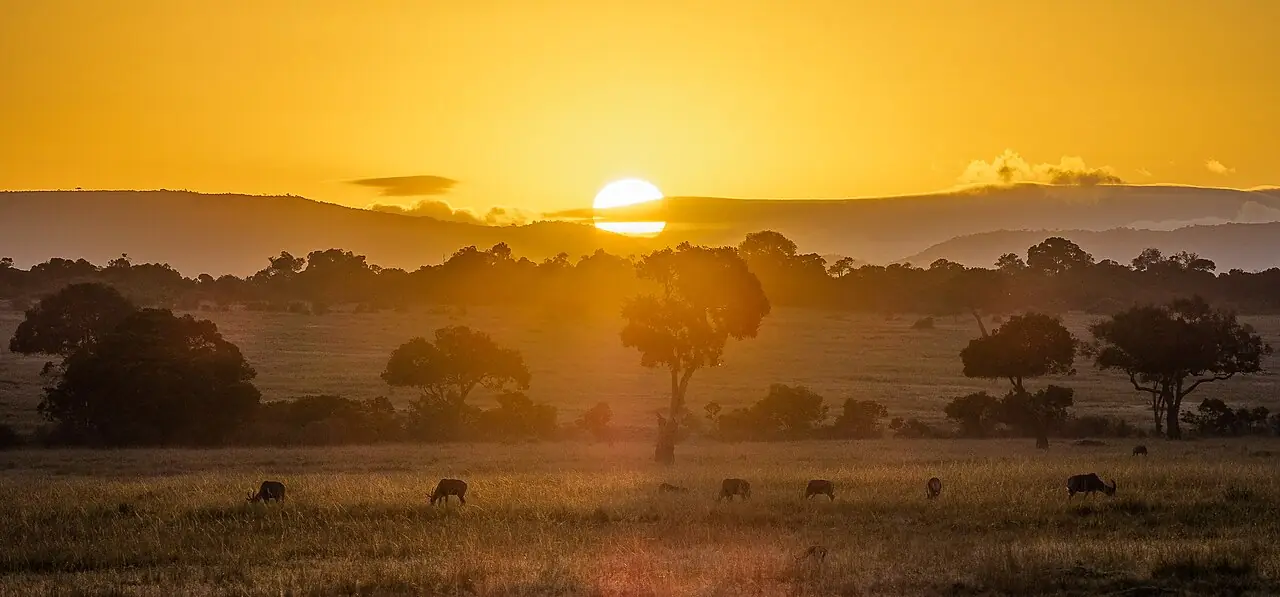 Photo: Danijel Mihajlovic · CC BY-SA 4.0
The lion is the animal most travellers hope to see on safari. Today it lives mainly in East and Southern Africa, in large protected savannahs with plenty of prey. In the best parks, you come across prides on almost every game drive.
The Masai Mara and the Serengeti, part of the same vast savannah, give the best odds, especially during the wildebeest migration. Ngorongoro Crater, Kruger National Park, the Okavango Delta and South Luangwa are other sure bets. The tree-climbing lions of Ishasha in Uganda and the black-maned lions of the Kalahari are also worth the trip.
Where to see them
- 1
Maasai Mara ·
 Kenya
The open plains of the Mara hold some of Africa's highest lion densities; from July to October, prides hunt among the migrating wildebeest.
- 2
Serengeti National Park ·
 Tanzania
A vast savannah where lions follow the herds: around Seronera all year, in the south during the wildebeest calving and in the north during the migration.
- 3
Ngorongoro Crater ·
TanzaniaThe crater floor, enclosed by its walls, concentrates lions, buffalo and black rhinos in a small area, making sightings very easy.
- 4
Kruger National Park ·
 South Africa
's largest park, open to self-drive visitors, where lions are often seen in the south and centre, around Lower Sabie and Satara.
- 5
Okavango Delta ·
 Botswana
The delta's prides hunt buffalo and antelope among islands and channels, and some are not afraid to swim across.
- 6
South Luangwa National Park ·
 Zambia
The Luangwa Valley has large lion prides, and night drives, allowed here, let you watch them hunt.
- 7
Queen Elizabeth National Park ·
 Uganda
In the Ishasha sector, lions climb fig trees to rest, a behaviour rarely seen elsewhere.
- 8
Central Kalahari Game Reserve ·
BotswanaThe Kalahari's black-maned lions roam fossil valleys such as Deception Valley, where wildlife gathers after the rains.
When to go
The dry season, from June to October depending on the region, is best: the grass is short, animals gather near water and lions are easier to spot. In the Masai Mara and northern Serengeti, July to October, during the migration, is the most spectacular time. The Central Kalahari is the exception: wildlife is more plentiful there during the rains, from December to April.
Our tips
- Stay in the vehicle and keep your distance: do not stand up or stretch your arms out when lions are close.
- Do not ask your guide to drive off-road where it is forbidden, or to surround a pride with other vehicles.
- Speak quietly, switch off the engine when possible and avoid flash, especially at night.
- Avoid places that offer cub petting or walking with lions: these activities often feed captive breeding.
- Go out early in the morning and late in the afternoon: lions sleep for much of the day and are more active when it is cool.
Frequently asked questions
Where can you see lions in Africa?
The best places are the Masai Mara (Kenya), the Serengeti and Ngorongoro Crater (Tanzania), Kruger National Park (South Africa), the Okavango Delta (Botswana) and South Luangwa (Zambia).
How many lions are left in Africa?
According to 2023 IUCN data, about 23,000 adult and subadult lions remain in Africa; the species is listed as Vulnerable and now occupies only about 7% of its historical range.
Where can you see tree-climbing lions?
In the Ishasha sector of Queen Elizabeth National Park, Uganda, where lions regularly rest in large fig trees.
What is the best season to see lions?
The dry season, roughly June to October in East and Southern Africa, when the grass is short and wildlife gathers around water.