 AfriqueUnie
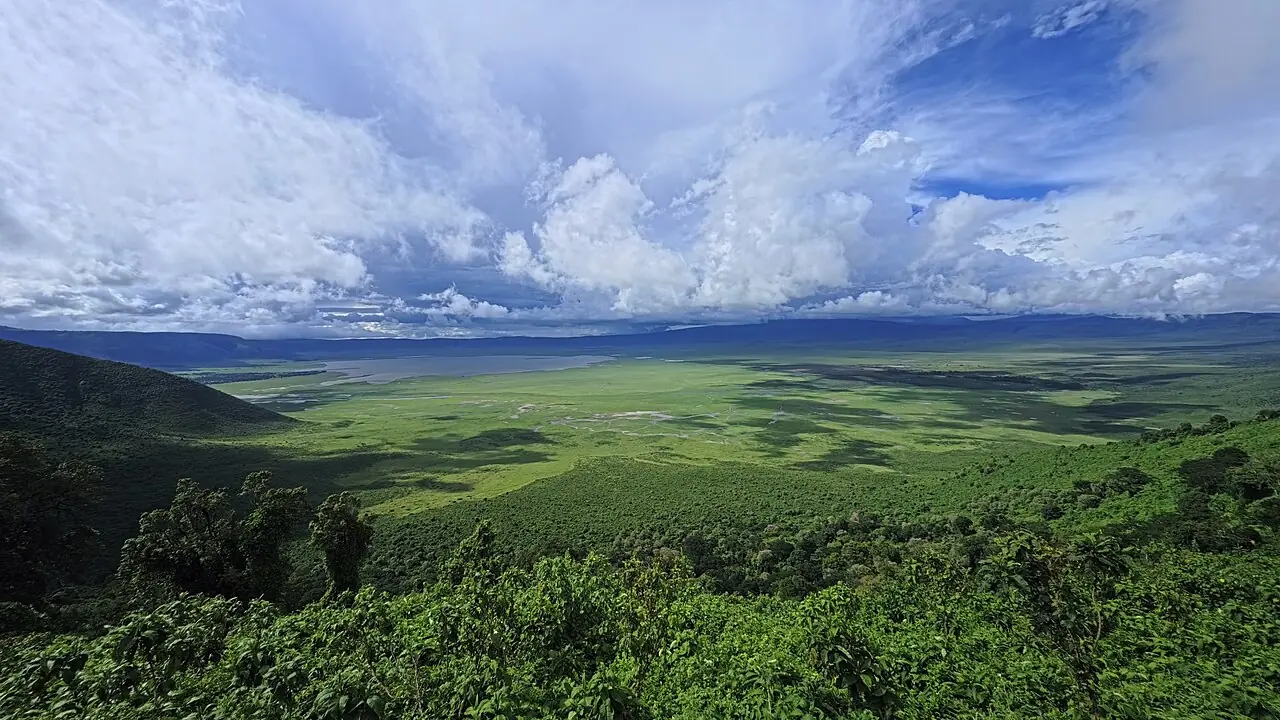 Photo: ArunprakashN92 · CC BY-SA 4.0
Published by Adama Doumbia, founder of Afrique Unie · updated 28 November 2026 · our method and sources
Why go
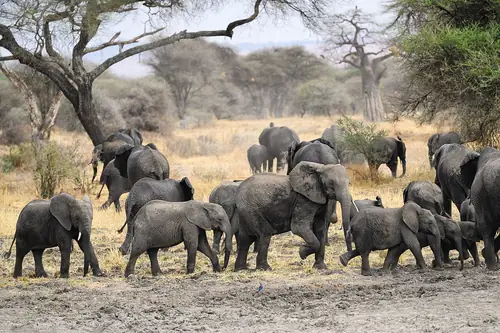
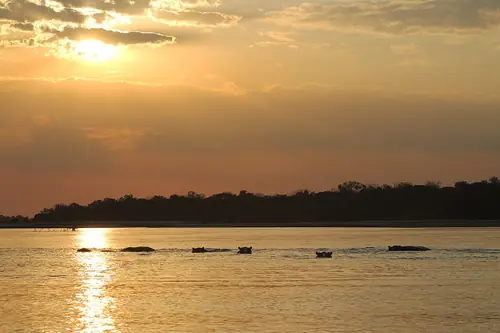
The Ngorongoro Crater is a vast caldera, formed by the collapse of an ancient volcano, whose walls rise several hundred metres above a flat floor some twenty kilometres across. A UNESCO World Heritage Site as part of the Ngorongoro Conservation Area, it is home to exceptionally dense wildlife: lions, hyenas, buffalo, elephants, zebras, wildebeest, hippos and one of the few populations of black rhinos that are easy to see in Tanzania.
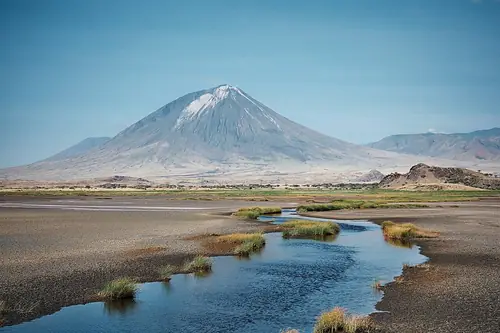
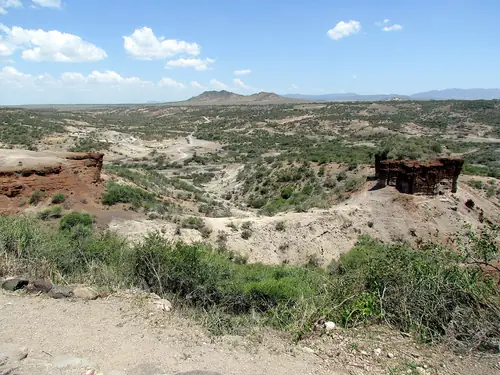
The landscape is as striking as the animals. From the rim, often shrouded in mist in the morning, you look down on a mosaic of grassland, swamp, yellow-barked acacia forest and a soda lake sometimes dotted with flamingos. The Maasai have the right to live in the conservation area and graze their herds there, making it a unique place where herders and wildlife share the land, not without tensions. Olduvai Gorge, a landmark of palaeoanthropology, is close by.
Getting there
The crater is about three or four hours' drive from Arusha, on the road to the Serengeti, via Karatu, a large farming town. Vehicles descend into the crater on winding tracks, and the visit is made by 4x4 with a guide, as walking is not permitted on the caldera floor.
Frequently asked questions
How long can you stay on the floor of the Ngorongoro Crater?
Half a day to a full day is generally enough to explore it. Time on the crater floor is regulated, with a limit often set at around six hours and fixed times for going down and coming back up. Your guide will know the current rules: set off early to make the most of it.
Can you see rhinos in the Ngorongoro Crater?
Yes, the crater is one of the best places in Tanzania to see black rhinos, though often at a distance. There are only a few of them and they are protected, so binoculars are essential. Your chances are best early in the morning, in the open grasslands.
Can you visit Ngorongoro without an organised safari?
The descent must be made in a 4x4 vehicle, and most visitors go through an operator who provides the vehicle and guide. Conservation area and crater fees are paid separately or included in the package. You cannot walk down to the crater floor.
When is the best time to visit the Ngorongoro Crater?
The crater can be visited all year, as many animals live there permanently. The dry season, from June to October, brings shorter grass and easy viewing, but also more vehicles. In the green season the scenery is superb and there are fewer visitors.
What is there to see around the Ngorongoro Crater?
Olduvai Gorge, a key site in the study of human origins, lies on the road to the Serengeti and has a small museum. The Ngorongoro Highlands are good for guided hikes, notably to Empakaai Crater. Lake Manyara and Tarangire National Park are also within driving distance.
 Kenya
 Rwanda