AfriqueUnie
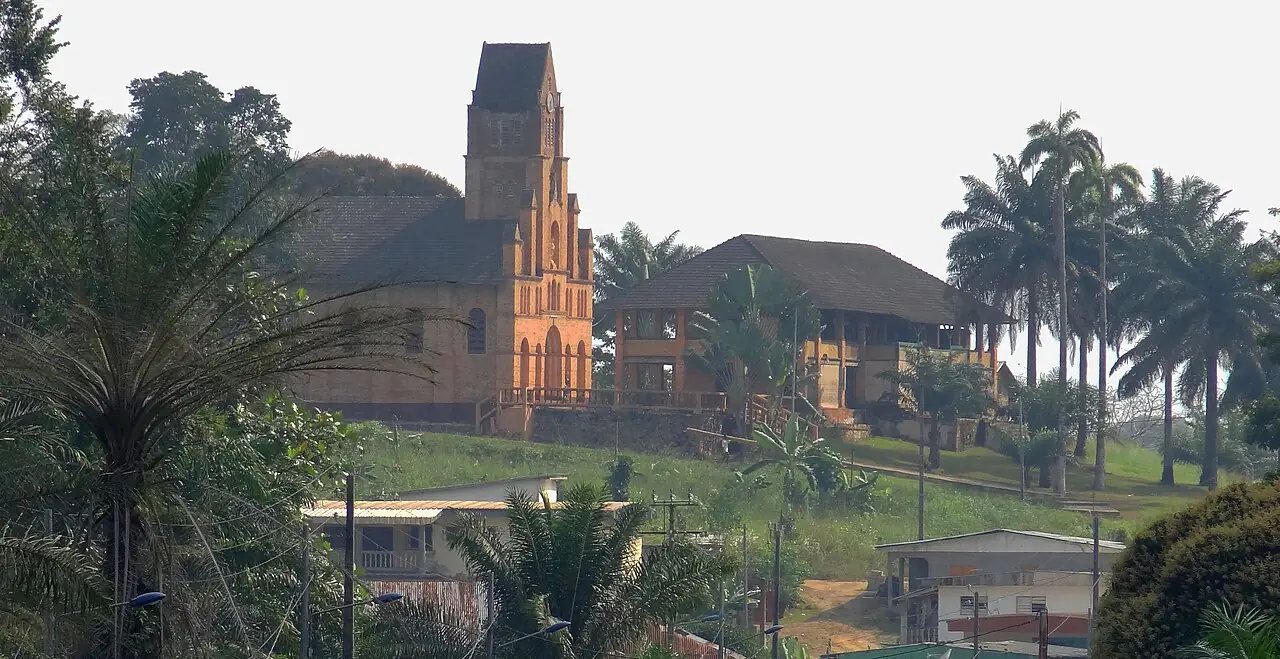 Photo: Salipunan · CC BY-SA 4.0
Published by Adama Doumbia, founder of Afrique Unie · updated 28 November 2026 · our method and sources
Why visit Lambaréné?
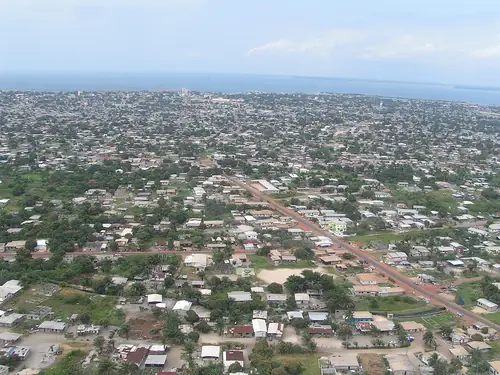
Capital of Moyen-Ogooué province, Lambaréné spreads partly across an island in the middle of the Ogooué river, a few hours' drive south-east of Libreville. Its name remains tied to that of Albert Schweitzer, the Alsatian doctor, theologian and organist who founded his hospital here in 1913 and treated patients for half a century, until his death in 1965. A Nobel Peace Prize laureate, he is buried on site, by the water. The hospital that bears his name still operates, and the original site, with its wooden buildings on stilts, has been turned into a museum.
Beyond this pilgrimage, Lambaréné is a peaceful river town whose life follows the comings and goings of pirogues, barges and fishermen. Old missions, such as Saint-François-Xavier, founded in 1881, recall the Ogooué's role as a route into the interior. All around lies a maze of channels, flooded forests and great lakes, Zilé, Evaro or Onangué, explored by motorised pirogue, past fishing villages and abundant birdlife.
Things to do in Lambaréné: 6 ideas
- 01The Albert Schweitzer museumVisit the old hospital on the banks of the Ogooué, the doctor's house, his personal belongings and his grave in the shade of the trees.
- 02Today's hospitalSee how the work continues in a facility that is still active, while remaining discreet towards patients.
- 03The Saint-François-Xavier missionDiscover one of the town's oldest architectural ensembles, founded in the late nineteenth century.
- 04The lakes by pirogueSet off for the day to Lake Zilé and its islands, or further to Evaro and Onangué, through the river's side channels.
- 05The banks of the OgoouéStroll along the river at the end of the day, to the rhythm of boats coming ashore and the fish markets.
- 06A stop on the road southUse the town as a halt on the N1 between Libreville and the south of the country, towards Fougamou and Mouila.
Where to stay in Lambaréné
The central island holds the shops, the market and most of the simple accommodation, handy for doing everything on foot. The banks near the old hospital, quieter and greener, suit those who come mainly for the museum. To experience the lakes, a few camps and small ecotourism set-ups stand on the shores or islands, with rustic comfort; book them ahead and plan the pirogue transfer.
See places to stay in Lambaréné
Frequently asked questions
How long does it take to get from Libreville to Lambaréné?
Allow about 230 to 250 km on the N1 national road, usually four to five hours, longer in the rainy season. Leave early so you arrive in daylight: driving at night outside the capital is strongly advised against. France also recommends telling someone your route and avoiding travelling alone.
How many days should I spend in Lambaréné?
A full day is enough for the Albert Schweitzer museum, the Saint-François-Xavier mission and the banks of the Ogooué. Add one or two nights for a pirogue trip on the lakes, ideally early in the morning.
Can you visit the Albert Schweitzer museum?
Yes: the old hospital, its wooden buildings and the doctor's grave by the river are open to visitors, next to the present-day hospital, which is still running. Ask locally about opening times and guided tours. Respect the patients' peace within the hospital grounds.
When is the best time to visit Lambaréné?
The dry season, from June to September, makes the road easier, and the falling waters of the Ogooué reveal sandbanks. In the rains, the lakes are full and the forest lush, but journeys are longer and less predictable.
What should I pack for the lakes around Lambaréné?
A hat, sun cream, insect repellent, long light-coloured clothes and a dry bag for your camera. Insist on life jackets from your boatman. Malaria is present in Gabon, so talk to your doctor about prevention before you go.

 Gabon