 AfriqueUnie
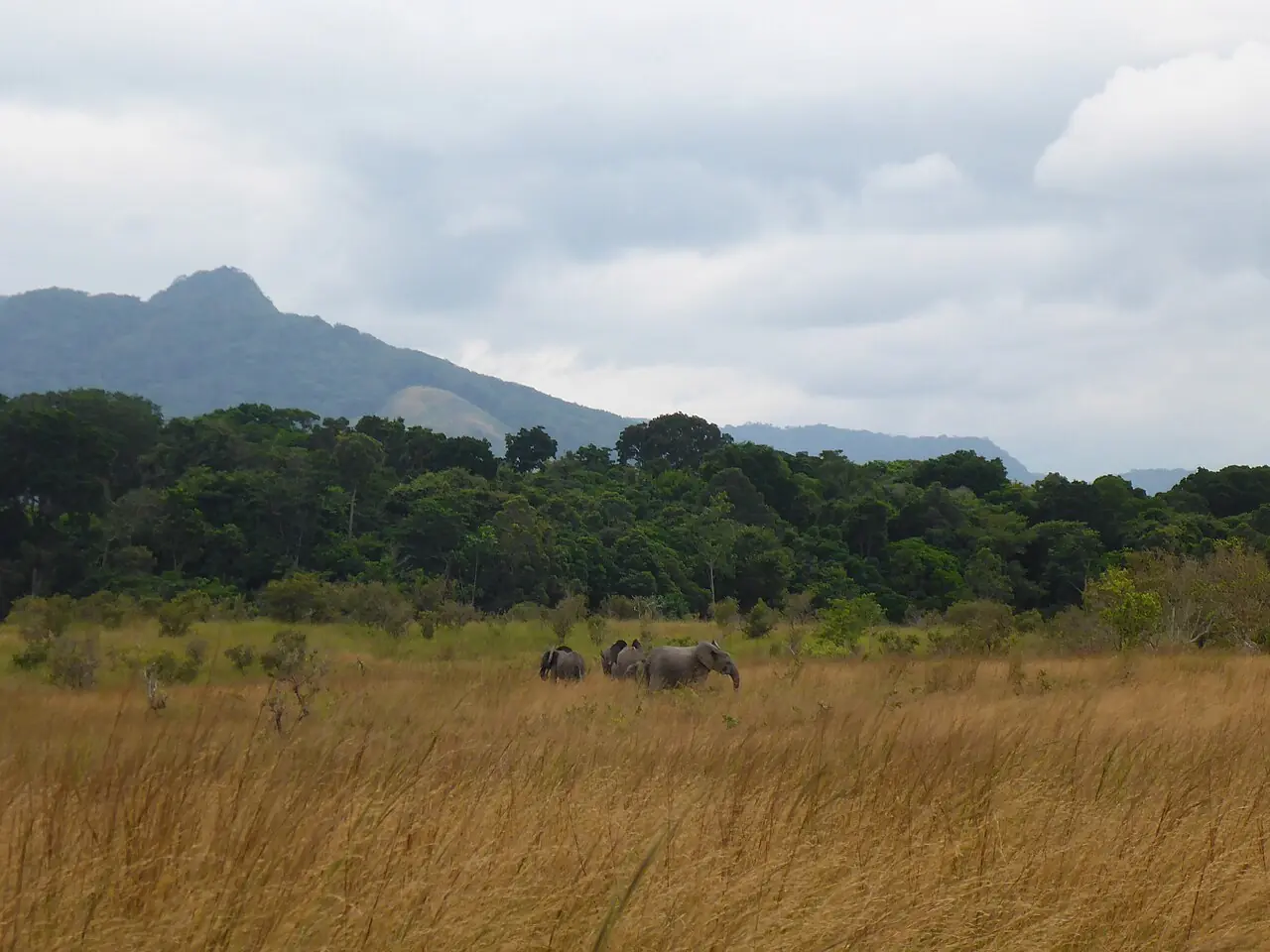 Photo: Ngangorica · CC BY-SA 4.0
Published by Adama Doumbia, founder of Afrique Unie · updated 28 November 2026 · our method and sources
Why go
In the centre of Gabon, Lopé National Park, a UNESCO World Heritage Site since 2007, offers a rare landscape: a mosaic of forest and savannah inherited from past climatic periods. Grassy hills alternate with gallery forest, in a setting that sometimes recalls the savannahs of East Africa.
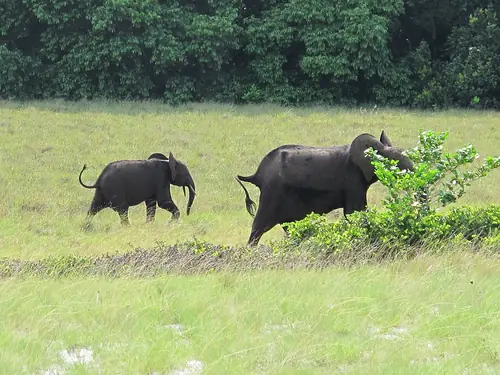
The Lopé is famous for its mandrills, which live in troops that can number several hundred individuals, among the largest primate groups known. You may also come across forest elephants, buffalo, gorillas and chimpanzees. The park also protects a remarkable archaeological heritage, with rock engravings and traces of very ancient human occupation that bear witness to the Bantu migrations. Lopé village, near the station, is the base for most visits; it has a few places to stay, and you can arrange walks and vehicle outings with trained guides.
Getting there
The most practical way in is the Transgabonais: from Owendo, near Libreville, the train reaches Lopé station in several hours. The road is possible but long and sometimes difficult. The park's lodges arrange transfers from the station.
Frequently asked questions
How do you get to Lopé National Park by train?
The Trans-Gabon Railway links Owendo station, near Libreville, with Lopé station in a journey of several hours. Check the latest timetable with the rail operator, as times change and delays are possible. The lodges then arrange transfers from the station.
When can you see mandrills at Lopé?
The dry season, from June to September, is the best time, and large hordes are often seen from July to September. Sightings depend on the groups' movements, which trackers follow, so ask locally when they are being tracked. An encounter is never guaranteed.
What wildlife can you see in Lopé National Park?
As well as mandrills, you may come across forest elephants, buffalo, gorillas, chimpanzees and many other monkeys, along with rich birdlife. The savannahs make wildlife easier to spot than in dense forest. The park also protects rock engravings and traces of very ancient human settlement.
How many days should you spend at Lopé?
Allow at least two to three days to combine drives through the savannahs, forest walks and searching for mandrills. Lopé village, near the station, is the base for most visits, and outings with trained guides are arranged there.
What should you pack for Lopé?
Bring binoculars, discreet neutral-coloured clothing, sturdy walking shoes and a rain jacket. Yellow fever vaccination is compulsory to enter Gabon, and malaria is present, so see your doctor before you travel. Do not photograph people without their permission.
 Angola
 Cameroon
 Equatorial Guinea