 AfriqueUnie
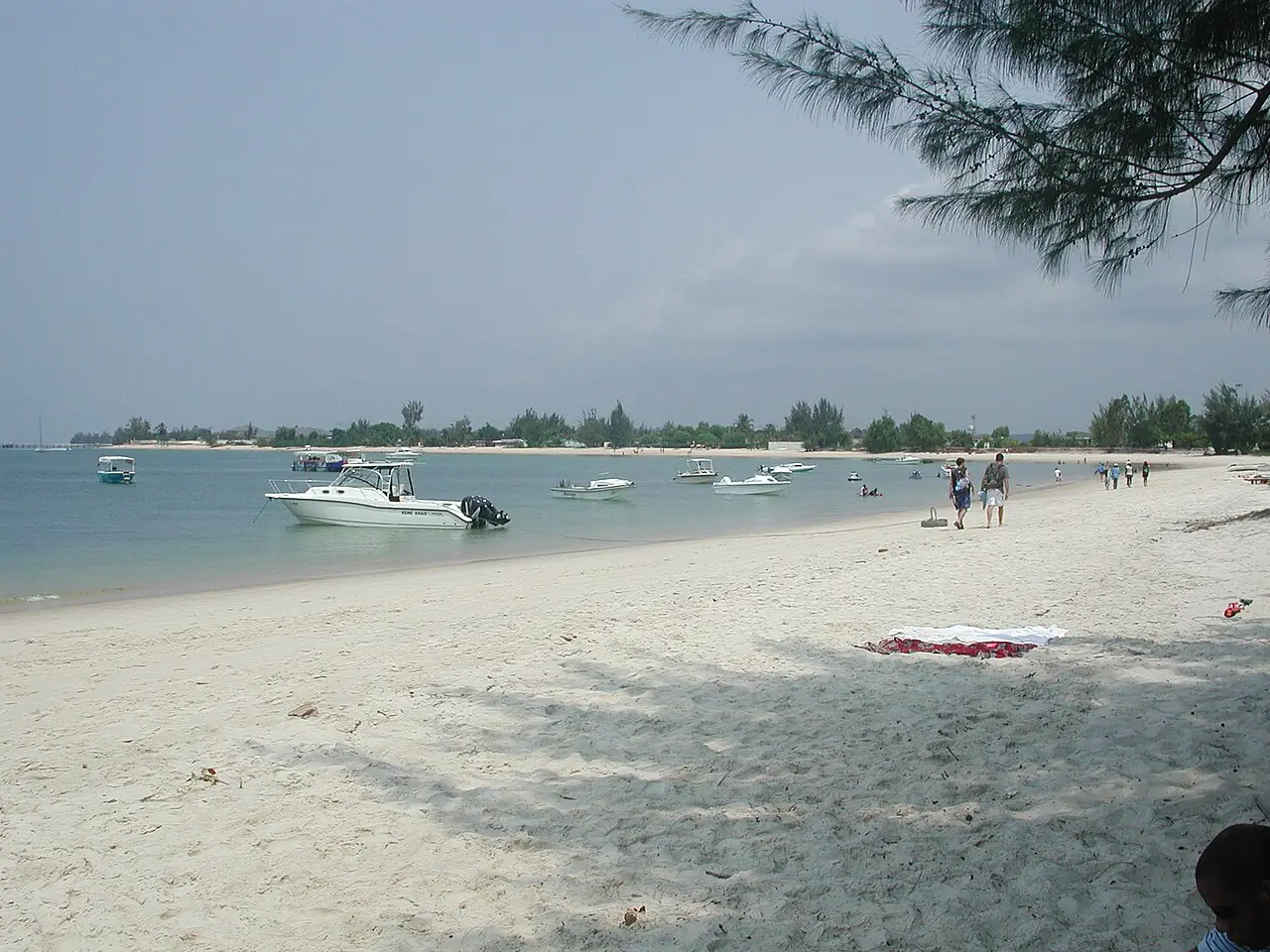 Photo: Nolween · CC BY-SA 3.0
Published by Adama Doumbia, founder of Afrique Unie · updated 28 November 2026 · our method and sources
- Days 1-2
Libreville, between ocean and forest
You land in Libreville, a capital stretched along the Komo estuary. On the first day, walk along the seafront and watch the sun set over the ocean. The next day, head north to Cape Santa Clara and the Raponda Walker Arboretum, a coastal forest crossed by trails where you discover giant trees and an almost deserted beach. Continue to Cap Estérias for lunch by the sea, on a busy beach that is safer than the city's isolated beaches. In town, avoid walking alone at night and in the working-class districts flagged by official advice, and get around by taxi or with a recommended driver.
- Day 3
Pointe Denis, across the estuary
Cross the estuary by boat, in under an hour depending on the vessel and the state of the sea, to reach Pointe Denis. This long sandy peninsula opposite Libreville is the weekend beach for the capital's residents. It borders Pongara National Park, with its mangroves and coastal forest. Walk along the ocean-side beach, swim near busy spots, as currents can be strong, and look out to sea for humpback whales, often present from July to September. From roughly November to February, leatherback turtles come ashore to nest on the beaches of Pongara: outings take place at night, with a guide.
- Days 4-6
By train to the Lopé savannas
Return to Libreville in the morning and head to Owendo station to board the Trans-Gabon Railway. Lopé is almost 300 kilometres away by rail: the journey takes many hours, some trains run overnight and timetables change often, so book ahead. The UNESCO-listed park combines dense forest and savannas along the Ogooué River, a rare landscape in Gabon. Over the next two days, go on safari with a guide to look for forest elephants, buffalo and birds and, with luck, one of the region's large hordes of mandrills. A walk to the petroglyph sites is a reminder that the valley has been inhabited for thousands of years.
- Day 7
Back to Libreville by train
Enjoy a final dawn outing in the Lopé savannas, when animals are most active and the mist lifts from the hills. Then take the train back to Owendo, following the Ogooué valley and then the forest down to the coast. The journey is long and delays are common: do not plan anything important for the same evening. If the timetable does not suit you, ask your accommodation whether it can arrange a return by road, in daylight only. Back in Libreville, rest before the next morning's flight.
- Day 8
Flight to Port-Gentil
Take a domestic flight to Port-Gentil, the country's oil capital, set on Mandji Island at the mouth of the Ogooué. The flight is short, and it is the easiest way to reach the city. In the afternoon, stroll around the centre and along the seafront, then go to Cape Lopez, at the northern tip of the island, where dolphins and, in season, whales can sometimes be seen. The beaches between Pointe Chapuy and Cape Lopez call for extra vigilance: stay in a group and do not linger there at dusk. Use the evening to confirm your transfer to Loango, planned for the next morning.
- Days 9-11
Loango, where the forest meets the ocean
The transfer to Loango is arranged with your accommodation, by boat through the lagoons or by small plane depending on the case. The park protects a rare mosaic of forests, savannas, lagoons and empty beaches, including part of the Iguéla Lagoon. Forest elephants, buffalo and hippos sometimes wander along the shore, and humpback whales can be seen offshore from around July to September. Alternate boat trips on the lagoon, game drives and guided walks. Depending on current permits, a gorilla visit may be offered: it is supervised and limited, so ask before booking.
- Day 12
Back via Port-Gentil and Libreville
Leave Loango in the morning to return to Port-Gentil, the same way you came, then take a domestic flight to Libreville. Allow a comfortable margin between the two flights: domestic connections are sometimes delayed or changed at the last minute, and the weather can slow down the transfer. If the timings are too tight, it is better to spend an extra night in Libreville and fly out the next day. For last-minute shopping, wooden objects and basketwork are easy to find, but avoid any product made from protected animals.
Getting around
Roads are often in poor condition and driving at night is strongly advised against outside Libreville, so this itinerary relies on the train and the plane. The Trans-Gabon Railway links Owendo to Lopé, but timetables change often and delays are common. Port-Gentil is only easily reached by air or by boat, and the transfer to Loango is booked with your accommodation. In Libreville, use recommended taxis or a driver, and do not share the vehicle with strangers.
When to do this trip
The dry season, from June to September, is the best time: less rain, more passable tracks, easier wildlife viewing and humpback whales passing off Loango and Pointe Denis. It is cooler then, and the sky is often grey. From October to May, rain is more frequent, with a short lull around December and January, but this is the nesting season for leatherback turtles on the beaches of Pongara and Loango.
The travel notebook
The itinerary, practical information (entry, health, money, emergencies) and the checklist in a few pages, to print or keep offline on your phone.
Variations
- In 8 days: keep Libreville, Pointe Denis and Loango, leaving out Lopé and its long train journeys.
- In 15 days: add two days in Lambaréné, a few hours' drive south of Libreville, for Dr Schweitzer's historic hospital and the Ogooué lakes by pirogue.
- Deep forest version: from Lopé, continue to Ivindo National Park and the Kongou Falls, an expedition of several days to organise with a guide.