AfriqueUnie
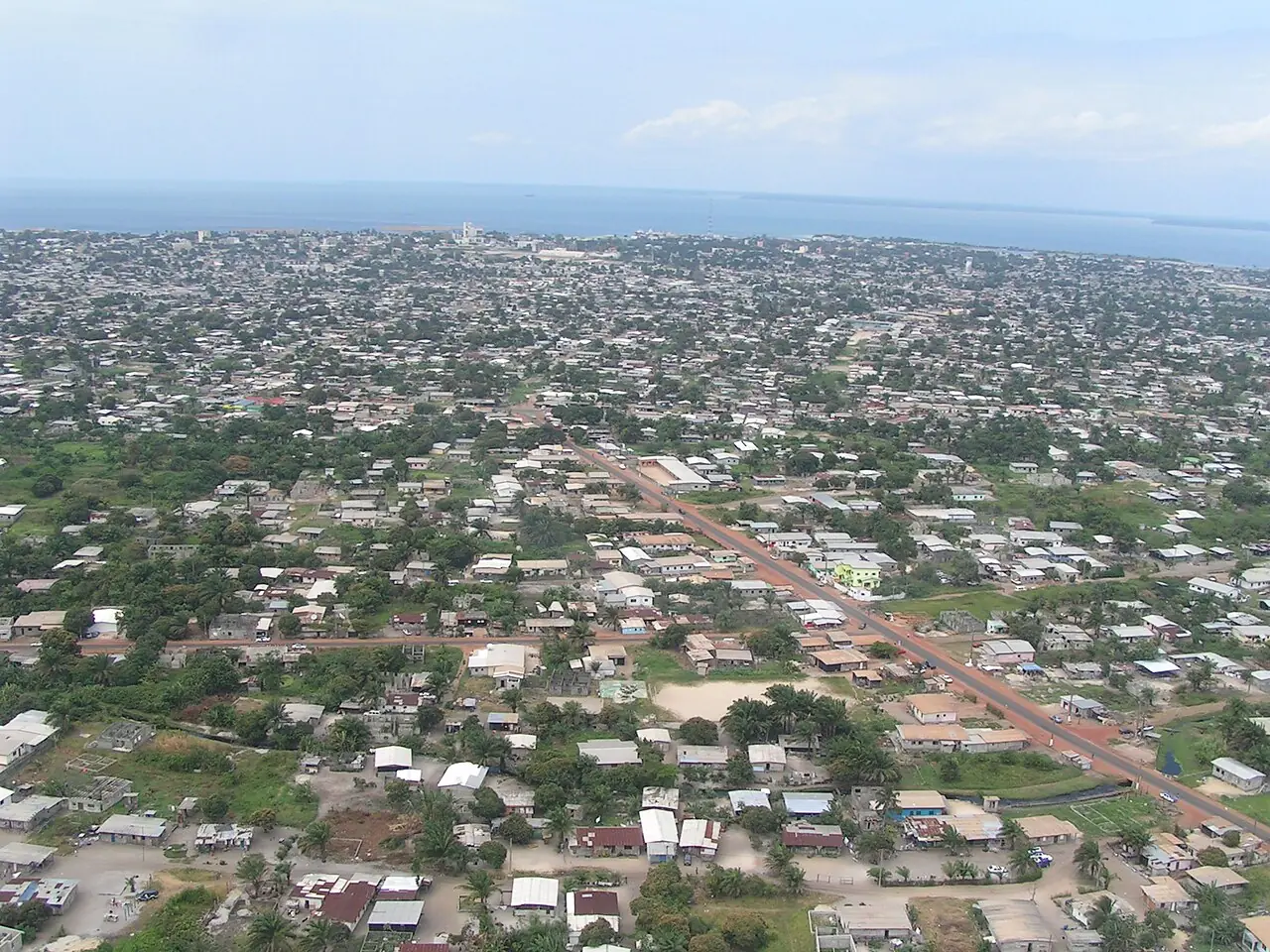 Photo: Brian Ecton / · Public domain
Published by Adama Doumbia, founder of Afrique Unie · updated 28 November 2026 · our method and sources
Why visit Port-Gentil?
Port-Gentil, Gabon's economic capital, lies on Mandji Island at the mouth of the Ogooué River. An oil town par excellence, it long lived to the rhythm of black gold and timber, which earned it the nickname “economic capital”. Its island character, with no road link to the capital, gives it a distinctive atmosphere, calmer than Libreville's.
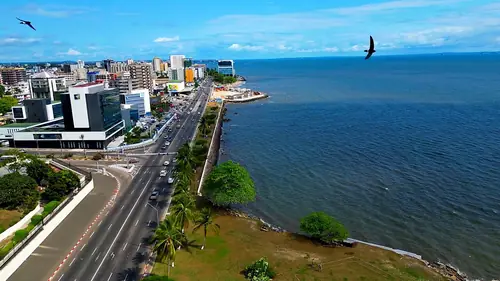
The town is laid out around its port and a few avenues, with residential districts, markets and beaches. Cap Lopez, at the northern tip of the island, offers a viewpoint over the ocean and the river mouth. In the evening, people gather on the beaches and in small fish restaurants, in a relaxed, end-of-the-world atmosphere.
For travellers, Port-Gentil is above all the gateway to the lagoons and the Ogooué delta, a maze of channels and mangroves, and to Loango National Park further south, reached by boat or light aircraft via Omboué.
Things to do in Port-Gentil: 6 ideas
- 01Go to Cap LopezMake your way to the northern tip of the island to gaze out over the ocean and the river mouth.
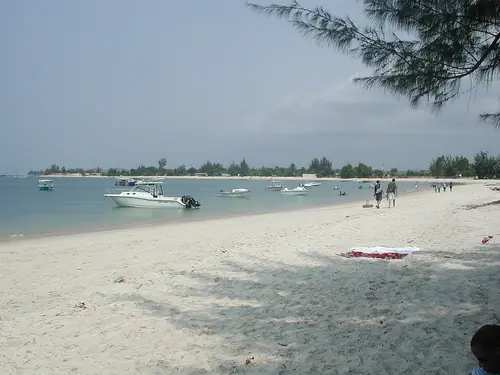
- 02Swim at the island's beachesEnjoy the beaches close to town, popular with locals at weekends.
- 03Discover the marketWander around the market to discover seafood and tropical fruit.
- 04Explore the Ogooué deltaSet off by boat into the lagoons and mangroves to discover birds and villages.
- 05Prepare your expedition to LoangoArrange the transfer to Omboué and the national park, by boat or light aircraft.
- 06Feast on seafoodDine on grilled fish and prawns in one of the town's restaurants.
Port-Gentil in one day
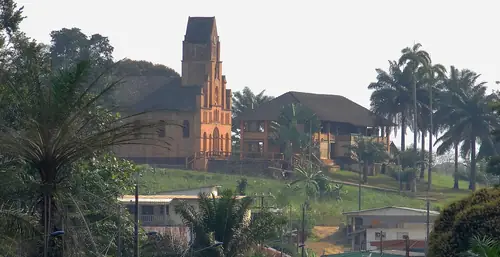
- 01MorningStart downtown, between the harbour and the seafront: banks, shops and the lighthouse standing right in the city set the tone of this oil town. Carry on to St Louis Church, built in 1927, one of the few old buildings in Port-Gentil. Get around by taxi and keep a photocopy of your passport on you.
- 02LunchStop at the market to see smoked fish, prawns, cassava and produce from the delta, then have a simple lunch of braised fish with plantain or a cassava stick. Mornings are the busiest time; do not carry large sums of money, and ask before photographing stallholders.
- 03AfternoonTake a taxi to Cape Lopez, at the northern tip of Mandji Island, where the ocean meets the mouth of the Ogooué. Stay alert: France calls for extra vigilance on the beaches between Pointe Chapuy and Cape Lopez. Do not swim in heavy swell, and avoid the west coast, which is exposed to strong winds and currents.
- 04EveningWatch the sun set over the ocean, then dine on grilled fish and prawns at a seafront restaurant, the classic Port-Gentil evening out. Head back by taxi rather than on foot: France advises particular vigilance at night throughout Gabon and strongly advises against any water activity after dark.
A second day in Port-Gentil
- 01MorningSet off early on a boat trip into the Ogooué delta, booked the day before with a guide or a reputable operator: channels, mangroves, birds and fishing villages unfold within a few hours. Stay within the delta channels without heading out to sea, where France strongly advises against pleasure boating because of piracy; insist on life jackets and cancel if the weather turns.
- 02LunchPicnic on board or eat in a delta village if your guide has arranged it, trying smoked fish and cassava leaves. Return to Port-Gentil in the early afternoon while the wind is still light, rather than stretching the trip into the late afternoon.
- 03AfternoonRelax on a beach popular with locals, never swimming alone, asking about currents and leaving your valuables at the hotel. It is also a good time to confirm your flight or boat back to Libreville, or your transfer to Omboué and Loango, as schedules often change.
- 04EveningFor your last evening, try nyembwe, chicken or fish in palm-nut sauce, Gabon's signature dish, or a seafood platter. Travel by taxi with the windows up and the doors locked, and leave nothing visible in the car, as France advises.
What to eat in Port-Gentil
Port-Gentil lives off the sea and the river: braised fish (threadfin, sea bass, sole), prawns and crabs are on every menu, with plantain, rice or cassava sticks, a fermented cassava paste cooked in leaves. Also try nyembwe, chicken or fish in palm-nut sauce, Gabon's signature dish, and smoked fish from the delta, sold at the market.
Pounded cassava leaves, odika, a sauce made from wild mango kernels, and safou, small purple fruits roasted over embers, round off the discovery. In the evening, seafront restaurants and street grills serve the most authentic food; at the market, in the morning, you can snack on doughnuts and tropical fruit. Choose well-cooked dishes and bottled water.
Where to stay in Port-Gentil
The town centre has practical hotels close to services and the port. Residential areas near the sea offer a quieter setting. Accommodation is often aimed at business travellers, with high prices. For a nature-focused trip, it's best to pass through quickly and head for the lodges of the lagoons or Loango.
Getting there and getting around
Port-Gentil International Airport lies very close to the town and mainly handles flights from Libreville. Taxis wait outside arrivals; if you land late, ask your accommodation to send a vehicle instead. No usable road links the town to the capital, so you arrive by plane or by boat. The UK notes that its staff use domestic flights run by Gabonese airlines only when unavoidable, and urges extreme care at sea, as the Gulf of Guinea is exposed to piracy. Always carry a photocopy of your passport and visa.
In town, taxis are the easiest way to get around, but they often pick up other passengers on the way: the UK, which reports assaults on passengers, advises booking the taxi for yourself alone and using those arranged by your accommodation. Agree on the fare before getting in. The centre is walkable by day, but avoid walking alone at night, as France advises particular vigilance after dark throughout the country. For the delta or Loango, go through a reputable operator whose boats carry life jackets.
See places to stay in Port-Gentil
Frequently asked questions
Can you drive from Libreville to Port-Gentil?
No: Port-Gentil is on Mandji Island and has no practical direct road link to the capital. You get there by plane, on a short flight, or by boat, a crossing of several hours. Check timetables shortly before you travel, as they change often.
How long should I stay in Port-Gentil?
One or two days are enough for the town, Cap Lopez and the beaches. Most travellers simply pass through on their way to the lagoons, the Ogooué delta or Loango National Park, which need several more days. Allow a spare night on the way back in case your boat or flight is delayed.
Can you swim in Port-Gentil?
Yes, on the beaches the locals use, but carefully. France calls for extra vigilance on the beaches between Pointe Chapuy and Cap Lopez and along the three rivers, and strongly advises against any water activity in heavy swell or after dark. Never swim alone and ask about currents.
When is the best season for Loango from Port-Gentil?
The dry season, from June to September, is the best time, with humpback whales passing offshore from about July to September. Lodge places and transfers are limited, so book them before you arrive. In the rainy season, some connections become slower or less reliable.
What should I eat in Port-Gentil?
Grilled fish and seafood, served in the evening at small seafront restaurants, are the town's speciality. They usually come with plantain or cassava, the staples of Gabonese cooking. The market is the place to see smoked fish and produce from the delta.
What is there to do in Port-Gentil in the evening?
Evenings are quiet: sunset over the ocean, then grilled fish and prawns at a seafront restaurant, where locals and oil workers meet. Get around by taxi rather than on foot, avoid isolated beaches after dark and do not swim at night.
How can I visit the Ogooué delta from Port-Gentil?
By boat, with a guide or a reputable operator, booked the day before or ahead of your arrival. Half a day is enough to see mangroves, birds and fishing villages; you need a full day, or a night in a lodge, to venture deeper into the lagoons. Insist on life jackets and leave early, when the wind is light.
 Gabon