Almost 90% covered in forest, Gabon protects thirteen national parks where gorillas, forest elephants and surfing hippos live alongside deserted beaches.
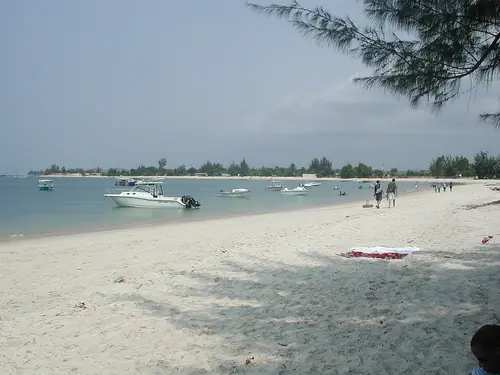
In Gabon the forest isn't a backdrop: it is the country itself. It covers most of the territory, a dark, unbroken green you can fly over for hours, interrupted only by rivers, the savannahs of the Lopé and a coastline of deserted beaches. With a small population concentrated in a handful of towns, Gabon has kept wild spaces of rare scale, and in 2002 it chose to protect them by creating a network of thirteen national parks.
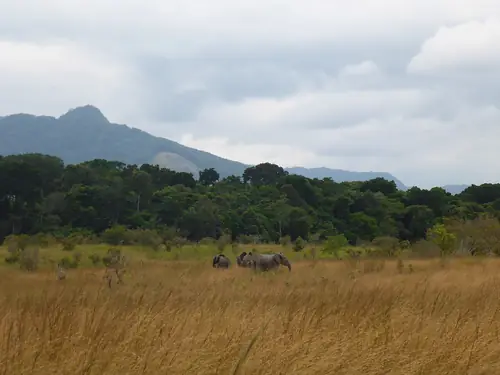
Wildlife encounters here have a special flavour, because they often happen far from marked trails. In Loango, forest elephants stroll along the beach in the early morning, buffalo rest in the grass by the ocean and hippos sometimes venture into the waves. Offshore, from July to September, humpback whales come to give birth. In the Lopé, troops of mandrills, among the largest known, cross the forest in a racket of snapping branches. Further east, the Langoué clearing and the Kongou Falls, in the Ivindo, make you feel as though you are entering an Africa from before the roads.
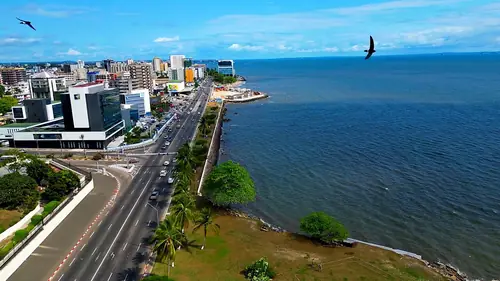
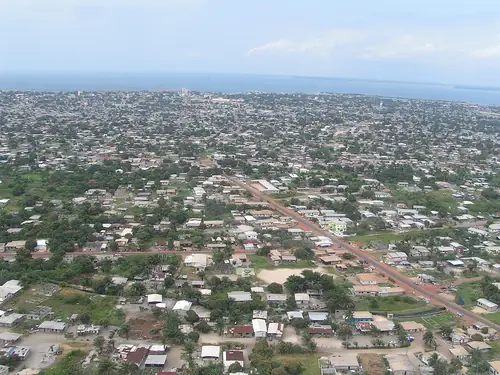
Gabon is also a culture: that of the white-faced Punu masks, Kota reliquary figures, the rites of Bwiti echoing to the ngombi harp, and a laid-back city life in Libreville, between the seafront, markets and maquis. Travelling here calls for a bigger budget than in other countries in the region and a degree of planning, as distances are long and tourist infrastructure limited. In return, you'll discover places that still see few visitors. As always, check your government's official travel advice before leaving, as the country has been going through a period of political transition since 2023.
History and culture
The first inhabitants of Gabon's forests were Pygmy peoples, before the Bantu migrations that gave rise to today's many groups, among them the Fang, Punu, Myènè, Nzebi and Kota. Portuguese navigators reached the estuary in the 15th century, opening a long period of trade and then of slaving. In 1849, captives freed from a slave ship intercepted by the French navy were settled on the estuary, the origin of Libreville. The explorer Pierre Savorgnan de Brazza later travelled up the Ogooué, and Gabon was incorporated into French Equatorial Africa.
Independent on 17 August 1960, the country's first president was Léon Mba, followed by Omar Bongo, who ruled from 1967 until his death in 2009. His son Ali Bongo succeeded him, before being overthrown in a military coup in August 2023. General Brice Clotaire Oligui Nguema was then elected president in 2025. Oil, manganese and timber built the country's wealth, and it is now also betting on conservation and ecotourism.
02Watch humpback whalesBetween July and September, head out to sea off Loango or Libreville to see the whales that come here to breed.
Photo : Ngangorica · CC BY-SA 4.003Track the mandrills of the LopéGo out with trackers in search of mandrill troops, in a landscape of savannah and gallery forest.
04Ride the TransgabonaisBoard the train linking Owendo to Franceville and get off at Lopé station, in the heart of the forest.
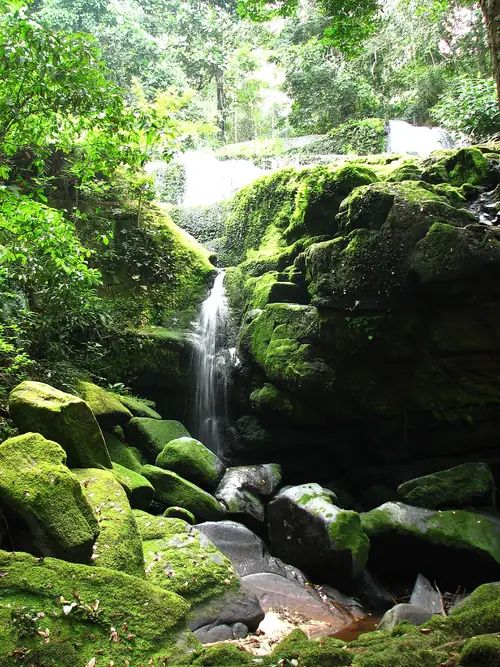
Photo : Jefe Le Gran · CC BY 2.005Get close to the Kongou FallsIn Ivindo National Park, travel by pirogue and then on foot to one of the most powerful waterfalls in Central Africa.
Photo : Nolween · CC BY-SA 3.006Witness leatherback turtles nestingBetween November and February, at Pointe-Denis or Pongara, watch these giants of the sea come ashore to lay their eggs in the sand.
07Wander around Mont-Bouët marketDiscover Libreville's great market, with its spices, smoked fish, fabrics and tropical fruit.
08Discover the masks of GabonVisit Libreville's collections of traditional art to appreciate the richness of Punu, Fang and Kota masks.
When to go to Gabon
The long dry season, from June to September, is the best time to visit Gabon: temperatures are cooler, the sky is often overcast but rainless, and the tracks are passable. It's also when humpback whales frequent the coast and animals gather in open areas. A short dry season, from December to February, also offers good conditions, with leatherback turtles nesting on the beaches. The rest of the year brings heavy rain, notably in October and November and from March to May, making some parks hard to reach. The climate stays hot and humid all year round.
Getting around
Libreville airport is the main gateway, with flights from Paris and several African capitals. For the interior, the Transgabonais, a railway linking Owendo, near Libreville, to Franceville, serves the Lopé and other towns in the east; expect delays. The main roads are improving, but many journeys remain long and difficult, especially in the rainy season. Port-Gentil has no permanent road link to Libreville: you get there by plane or boat. For Loango and the Ivindo, access is often by light aircraft, boat or four-wheel drive, arranged by local operators. In town, taxis are plentiful; agree the fare before you get in.
Etiquette and customs
Gabonese people are welcoming but set great store by politeness: greet people before asking anything, and feel free to call elders “papa” or “maman” as a mark of respect. French is spoken everywhere, often peppered with colourful expressions. Traditional rites, notably Bwiti, hold an important place: only attend a ceremony if invited, and never take photos without permission. In villages, introduce yourself to the chief and explain the purpose of your visit. Avoid photographing government buildings and soldiers. In the parks, follow your guides' instructions to the letter, as forest elephants can be dangerous. Dress respectably in town.
Food and drink in Gabon
Gabonese cooking celebrates the produce of the forest and the sea. Poulet nyembwe, the national dish, simmers in a creamy palm-nut sauce and is served with rice or cassava. Salt fish, often cooked in a sauce or grilled, recalls the preserving techniques of coastal villages. Cassava sticks, wrapped in leaves, accompany many dishes, such as feuille de manioc, cassava leaves simmered for hours. Native chocolate, a paste made from odika seeds, lends sauces a deep, smoky flavour. On the coast, prawns, lobster and grilled fish abound. Tropical fruit, such as mango, pineapple and atanga, a local plum eaten cooked, round off meals.
The must-sees: Loango National Park, Lopé National Park, Ivindo National Park, Pointe Denis.
Which cities should I visit in Gabon?
Libreville, Port-Gentil, Lambaréné. The capital is Libreville.
How much should I budget for a trip to Gabon?
High-end: often more than €120 per person per day, excluding flights. This is only a guide and depends above all on the accommodation and activities you choose.
What currency and languages are used in Gabon?
Currency: Central African CFA franc (XAF). Languages: French.
How do I get to Gabon?
The main international airport has the code LBV. Compare flights with the ‘Flights’ button on this page.
Do I need a visa to visit Gabon?
Entry requirements depend on your nationality and change regularly. Check them on the country's official website or with your foreign ministry before booking, and make sure your passport is valid.
What should I eat in Gabon?
Dishes to try while you're there: Poulet nyembwe, salted fish.
The Transgabonais railway, run by Setrag, links Owendo (Libreville) with Franceville via Lopé, with express and stopping trains; renovation works sometimes cause delays and timetable changes. Port-Gentil is mainly reached by air or boat from Libreville, and domestic flights also serve Franceville. In Libreville, people use taxis, usually shared; elsewhere the road network is limited and often difficult in the rainy season. For Lopé or Loango, go through a lodge or hire a 4x4 with driver; driving is on the right.
Health and safety
Yellow fever
Vaccination certificate required on entry for all travellers (from 9 months); vaccine recommended for the whole country (from 9 months).
Malaria
Present throughout the country: ask a doctor about preventive medication and protect yourself from mosquitoes.
Water and food
Unless your accommodation says otherwise, drink sealed bottled or filtered water, and wash your hands often.
Affiliate cookiesWe would like to load a script from our partner Travelpayouts. It may set cookies so that we receive a commission when you book through our links, at no extra cost to you. If you decline, the site works in exactly the same way. Find out more
 AfriqueUnie
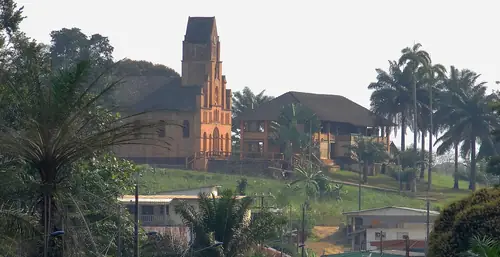
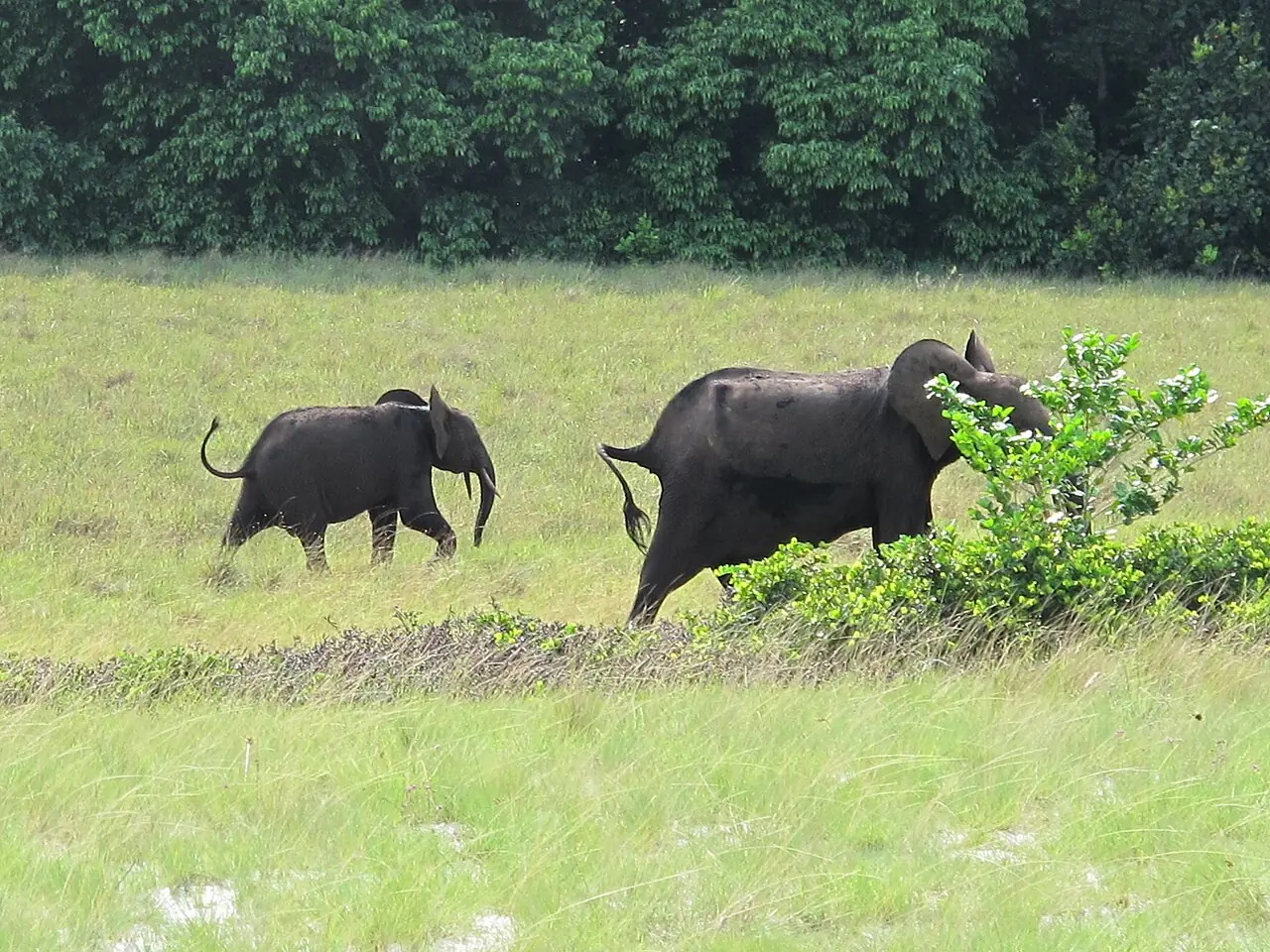 Photo: Kurt Dundy at English Wikipedia · CC BY 3.0
 Gabon
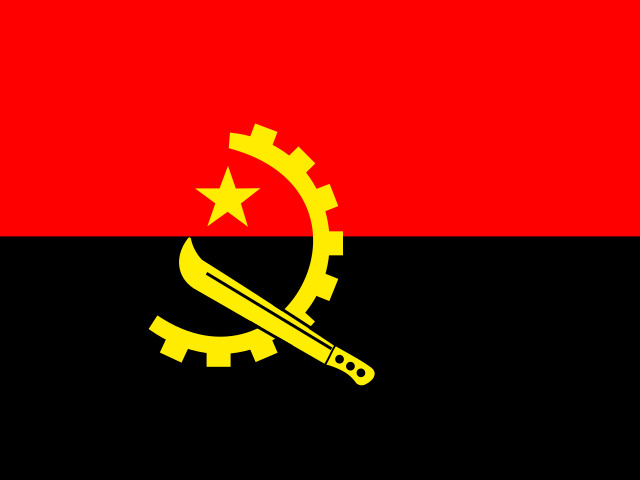 Angola
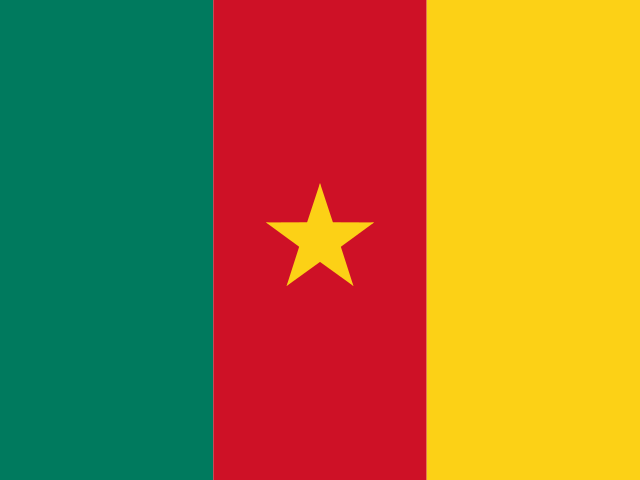 Cameroon
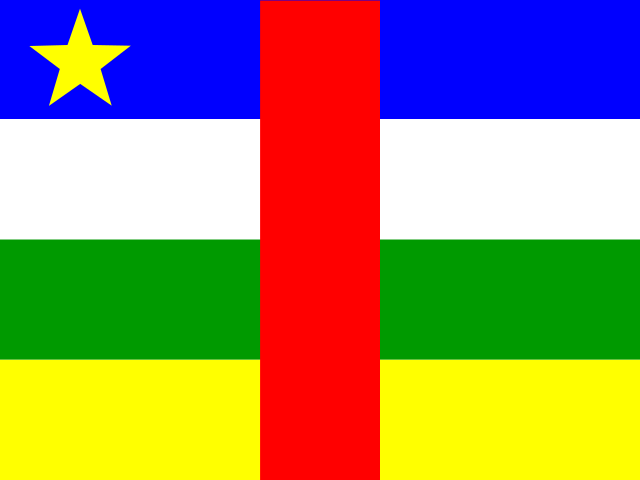 Central African Republic
 Chad
 DR Congo
 Equatorial Guinea
 Republic of the Congo
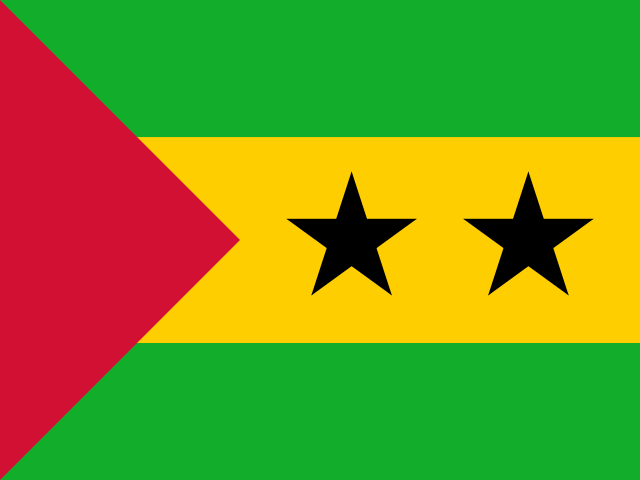 São Tomé and Príncipe