AfriqueUnie
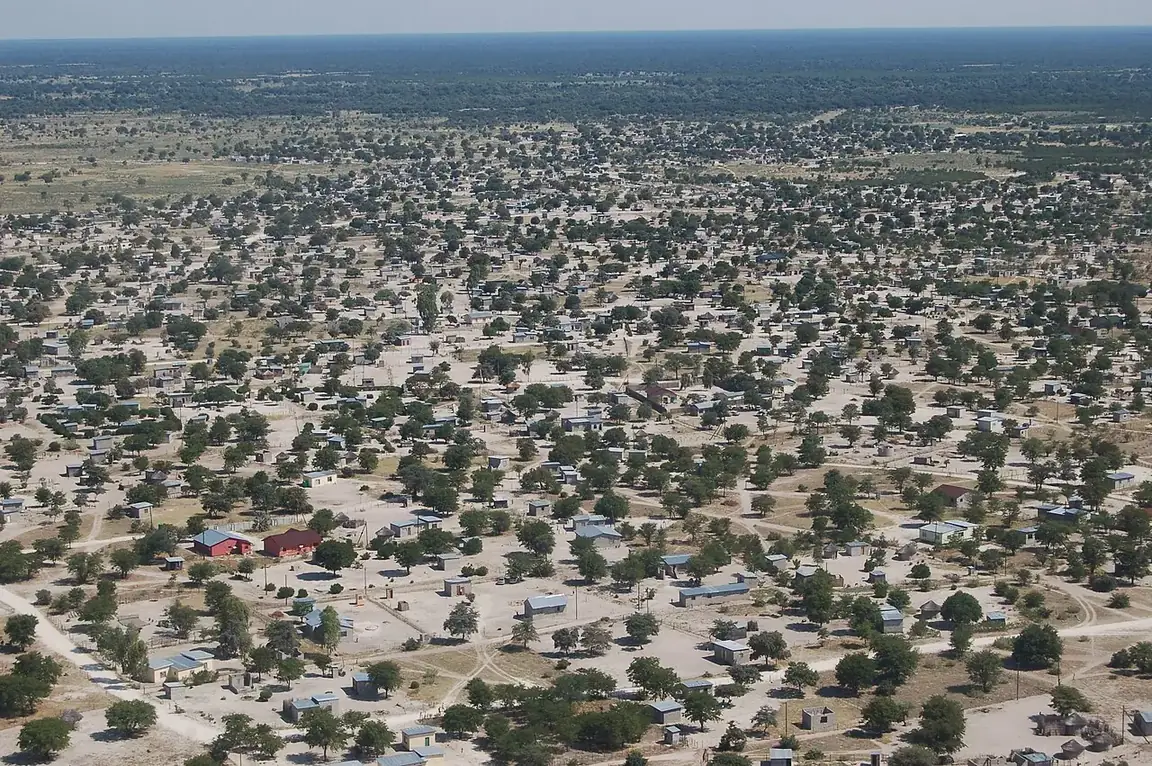 Photo: Joachim Huber from Switzerland · CC BY-SA 2.0
Published by Adama Doumbia, founder of Afrique Unie · updated 28 November 2026 · our method and sources
Why visit Maun?
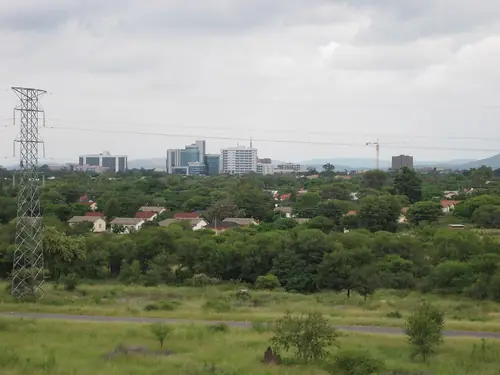
Maun makes no effort to charm, and that is what makes it so endearing. Long a simple frontier town of pioneers, hunters and cattle farmers, it has become the Okavango's rear base: this is where the small planes take off for the delta camps, where 4x4 expeditions set out for Moremi and where independent travellers stock up. On the tarmac, Cessnas come and go all day; in the streets, donkeys and goats jostle for space with pick-ups loaded with jerrycans.
The town sprawls along the Thamalakane River, on whose banks most of the lodges and campsites stand. When the flood arrives, in the depths of the southern winter, the river fills up and you can see hippos and waterbirds. The rest of the year the riverbed can be almost dry: here you can read the rhythm of the delta.
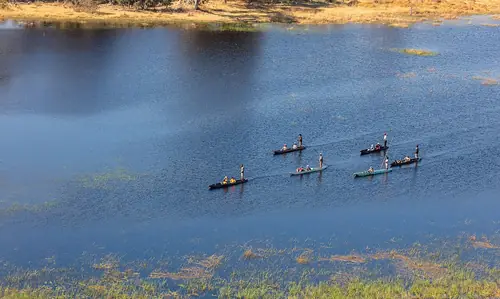
For travellers on a tighter budget, Maun is also the starting point for mokoro trips, for a day or several, in the eastern part of the delta, which are more affordable than a stay in a private camp, as well as for hour-long scenic flights that give you a complete picture of this watery landscape.
Things to do in Maun: 6 ideas
- 01A scenic flightTake off in a light aircraft or a doorless helicopter for an hour above the channels, early in the morning.
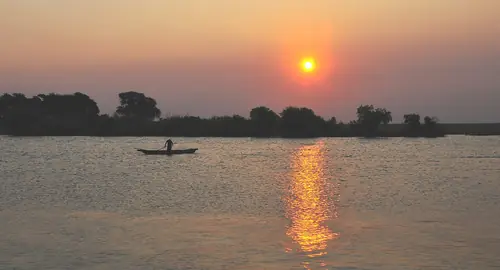
- 02Mokoro trips from MaunSet off for a day or an overnight camp by dugout in the eastern delta, with polers from the community.
- 03Moremi Game ReserveDrive by 4x4 to one of the finest reserves on the continent, a few hours away along the tracks.
- 04The banks of the ThamalakaneEnjoy a sundowner on a riverside terrace.
- 05The local marketBrowse the stalls of fresh produce, dried phane and basketry near the centre.
- 06Nxai Pan and MakgadikgadiHead east for a day or two of salt desert and baobabs.
Where to stay in Maun
Most travellers stay along the Thamalakane, north of town, in the Matlapaneng area and on the nearby banks: riverside lodges, shady campsites with bars and canvas chalets. The atmosphere is relaxed and conducive to swapping stories with fellow travellers. The centre, near the airport, is handy for a night before an early flight, with a few functional hotels and the supermarkets close at hand. Further south, towards the delta, a few secluded guesthouses offer greater peace and quiet.
Frequently asked questions
How many days should you spend in Maun?
One or two nights are usually enough: Maun is the base before and after the Okavango Delta or Moremi Game Reserve. Plan a night before an early flight to a camp, and half a day for a scenic flight or a mokoro trip if you are not staying in the Delta.
When is the best time for Maun and the Delta?
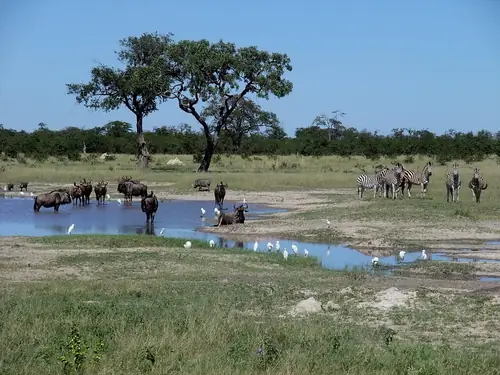
The dry season, from May to October, is best for wildlife, which gathers near the water. The Delta's flood peaks in the depths of the southern winter, around June to August, when the channels are fullest; September and October are very hot. From November to March rain makes some tracks difficult, but the landscape is green and birdlife abundant.
Is Maun safe?
Incidents remain relatively rare in Botswana, but the French government urges vigilance in Maun, where bag snatching has been reported, and the UK government notes rising violent crime in the main towns, including Maun. Keep valuables out of sight, avoid walking alone at night and do not drive after dark because of wildlife and livestock on the roads.
Can you swim in the river or the Delta?
No: the French government advises against swimming in Botswana's lakes and rivers because of bacteria and dangerous animals, crocodiles and hippos above all. In a mokoro, stay seated and follow the poler's instructions to the letter. Many lodges have a swimming pool.
How do you get to Moremi from Maun?
By road, a 4x4 is essential: Moremi's South Gate is a few hours away on partly sandy tracks, and you must arrive before the gates close. Campsites inside the reserve are booked up well in advance. Otherwise, light aircraft link Maun with the camps' airstrips on a short flight, often under an hour.
 Botswana