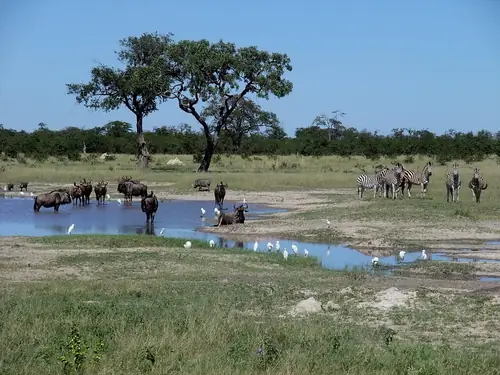
Botswana has made an unusual choice: rather than chase the crowds, it has bet on low-density, high-value tourism, where every visitor counts and the wildlife areas remain vast and little visited. The result is that a safari here still feels like the ones in the old tales. You can spend an entire day in a private Okavango concession without seeing another vehicle, and watch a pack of wild dogs hunting at dusk with no one but your guide for company.
Yet the country is very flat, two-thirds of it covered by the sands of the Kalahari. And it is precisely this landscape that works its miracles. Every year, rain that has fallen on the highlands of Angola flows slowly south and loses itself in the sand, forming the Okavango Delta, a maze of channels, lagoons and islands that never reaches the sea. This water arrives in the heart of the dry season, just when the rest of the country is parched, and wildlife flocks to it in extraordinary numbers. Further north, along the Chobe River, you can see some of the greatest concentrations of elephants on the continent, and Botswana alone is home to Africa's largest elephant population.
To the south and east lie other worlds: the Makgadikgadi salt pans, flat as a mirror, where you sleep under the stars; the Central Kalahari, land of black-maned lions and the San; and the Tsodilo Hills, covered in rock paintings. Travel here comes at a price, often a steep one in the lodges, but there are also public campsites for well-equipped independent travellers. The country is stable and sparsely populated, and its people, the Batswana, have a reserved courtesy that puts you at ease straight away.
History and culture
The San, hunter-gatherers of the Kalahari, are the region's oldest inhabitants, and their paintings at Tsodilo bear witness to a very ancient presence. The Tswana peoples later settled here and organised themselves into chiefdoms led by dikgosi. At the end of the 19th century, three chiefs travelled to London to seek British protection against the ambitions of the settlers and Cecil Rhodes's company: Bechuanaland became a protectorate in 1885.
Independence, on 30 September 1966, brought Seretse Khama to power, whose marriage to an Englishwoman, Ruth Williams, had caused a scandal. At the time the country was among the poorest in the world. The discovery of diamonds shortly afterwards, and a reputedly prudent management of the revenue, transformed Botswana, which became a stable democracy with regular elections, often held up as an example on the continent.
8 experiences not to miss in Botswana
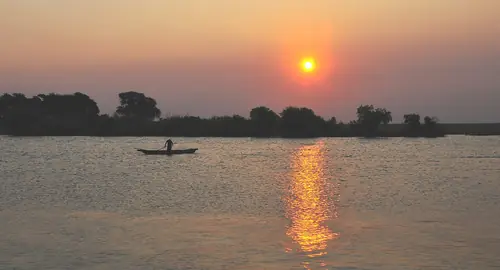
Photo : Diego Delso · CC BY-SA 4.001By mokoro through the channelsGlide silently in a dugout canoe pushed along with a pole by a poler, at the level of the water lilies and reed frogs.
Photo : Diego Delso · CC BY-SA 4.002A scenic flight over the deltaFly over the Okavango in a light aircraft or helicopter to grasp its pattern of channels and watch herds wading through the water.
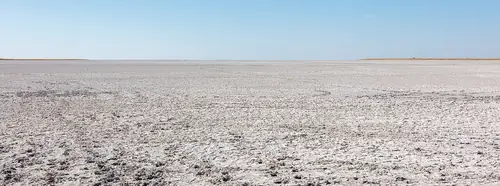
Photo : Diego Delso · CC BY-SA 4.004A night on the saltSleep under the stars on the Makgadikgadi Pans in the dry season, in absolute silence.
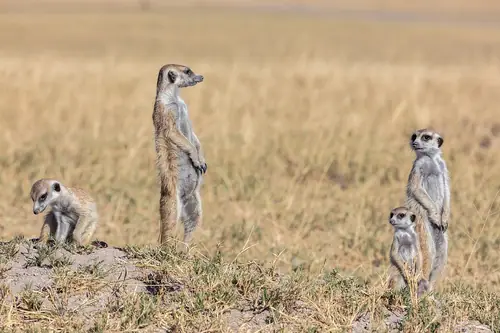
Photo : Diego Delso · CC BY-SA 4.005MeerkatsApproach on foot families of meerkats used to people, who sometimes use you as a lookout post.
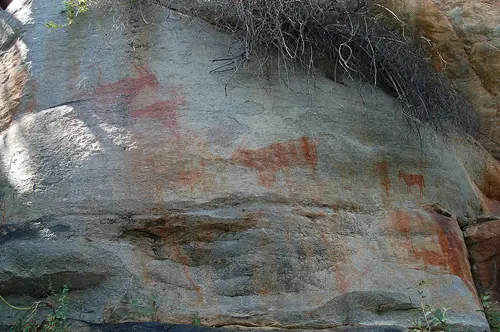
Photo : Joachim Huber · CC BY-SA 2.006The paintings of TsodiloWalk with a local guide among the sacred hills and decipher elands, giraffes and geometric patterns.
07A walking safariTrack animals with an armed guide and a tracker, learning to read footprints and droppings.
Photo : Benjamin Hollis · CC BY 2.008The Central KalahariHead off on a self-sufficient expedition to the fossil valleys of Deception Valley, where lions roar at night.
When to go to Botswana
The dry season, from May to October, is the most popular: the Okavango flood, coming down from Angola, usually peaks between June and August, just as the grass is drying out elsewhere, and wildlife gathers near the water. June and July mornings are cold in an open vehicle. October is very hot but ideal for game viewing. The green season, from November to April, is more affordable and superb for birds, newborn animals and the Kalahari, where antelope gather on the fresh grass; this is also when the zebras migrate towards Makgadikgadi. Some tracks become difficult and a few camps close.
Getting around
For safaris in the delta, you will almost always travel by light aircraft from Maun or Kasane, with a very strict luggage allowance in a soft bag. The lodges arrange these transfers. Independent travellers can hire a 4x4 with camping gear in Maun, Kasane or Gaborone, but this requires genuine experience of driving in sand and campsite bookings often made months in advance. Driving is on the left. Tarred roads link the towns, with plenty of livestock and wild animals on the carriageway: avoid driving at night. Intercity buses exist but do not serve the parks.
Etiquette and customs
Greetings are essential. “Dumela Rra” to a man, “Dumela Mma” to a woman: taking the time to say hello before asking for anything is the bare minimum of respect. A handshake is often given with the left hand resting on the right forearm, as a mark of consideration. People speak in calm voices; losing your temper means losing face. Elders are highly respected. In villages, ask before taking photographs and, in general, avoid photographing government buildings. In the camps, follow your guide's instructions to the letter: you do not wander about alone at night, as animals roam freely.
Food and drink in Botswana
The national dish for special occasions, seswaa is beef or goat boiled for a long time with salt, then pounded until it shreds. It is served with pap, a thick maize porridge, or with sorghum. Morogo refers to green leaves, often wild, cooked down in a covered pot. In the north, dried mopane worms, known as phane, are nibbled fried or in a sauce. Botswana beef is renowned and features prominently at braais. In the lodges the cooking is international and refined, often served around the fire. Do try Kalahari melons and home-made ginger beer too.
The must-sees: Okavango Delta, Chobe National Park, Makgadikgadi Pan, Tsodilo Hills, Central Kalahari Game Reserve.
Which cities should I visit in Botswana?
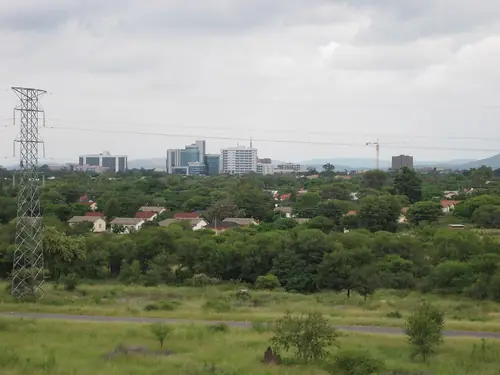
Maun, Kasane, Gaborone. The capital is Gaborone.
How much should I budget for a trip to Botswana?
High-end: often more than €120 per person per day, excluding flights. This is only a guide and depends above all on the accommodation and activities you choose.
What currency and languages are used in Botswana?
Currency: Botswana pula (BWP). Languages: English, Setswana.
How do I get to Botswana?
The main international airport has the code MUB. Compare flights with the ‘Flights’ button on this page.
Do I need a visa to visit Botswana?
Entry requirements depend on your nationality and change regularly. Check them on the country's official website or with your foreign ministry before booking, and make sure your passport is valid.
What should I eat in Botswana?
Dishes to try while you're there: Seswaa, pap, morogo.
Air Botswana links Gaborone with Maun, Kasane and Francistown, and small charter planes serve the Okavango Delta camps, many reachable only by air. Passenger trains are suspended; buses and combis (minibuses) link towns along the main tarred roads. For the Kalahari, Chobe or Moremi, a well-equipped 4x4, self-drive or with a guide, is essential, and wildlife on the roads means you should avoid driving at night. Traffic drives on the left.
Health and safety
Yellow fever
Certificate required only if you arrive from, or transited through, a country with a risk of yellow fever (from 1 year, incl. airport transits over 12 h); vaccine generally not recommended.
Malaria
Present in some areas (north, Chobe, Okavango, Ngamiland, Boteti, Francistown…; not in Gaborone): ask a doctor depending on your itinerary.
Water and food
Unless your accommodation says otherwise, drink sealed bottled or filtered water, and wash your hands often.
Sources: France Diplomatie, Viaggiare Sicuri, Belgian Foreign Affairs, GOV.UK, checked in November 2026. All 54 countries
Entry requirements (visas, vaccinations) and security conditions change regularly: check them with the official authorities before booking. Official tourism website: Botswana Tourism Organisation.
Affiliate cookiesWe would like to load a script from our partner Travelpayouts. It may set cookies so that we receive a commission when you book through our links, at no extra cost to you. If you decline, the site works in exactly the same way. Find out more
 AfriqueUnie
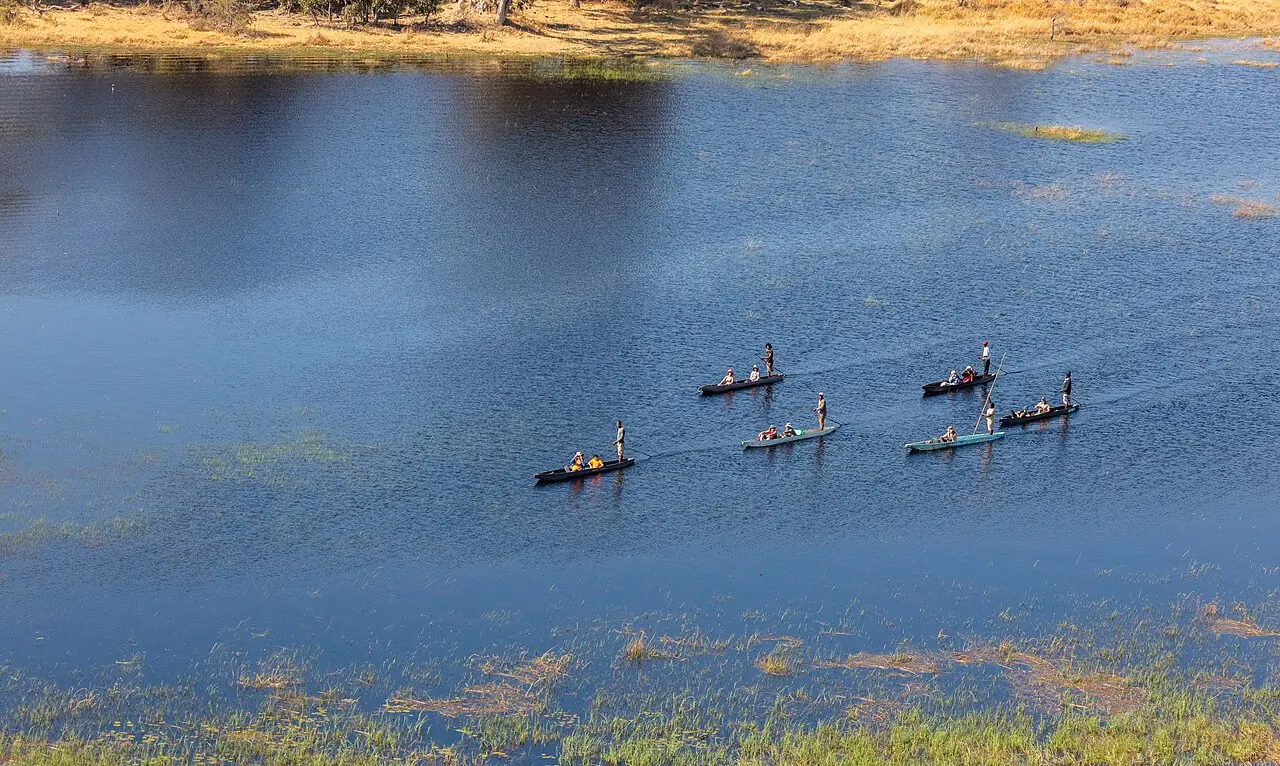 Photo: Diego Delso · CC BY-SA 4.0
 Botswana
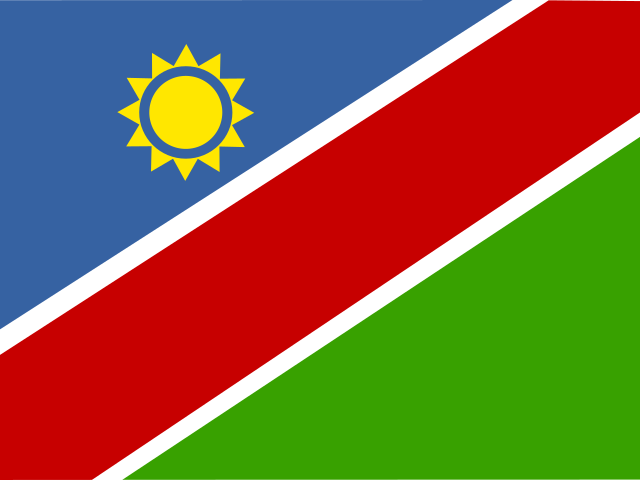 Botswana or Namibia
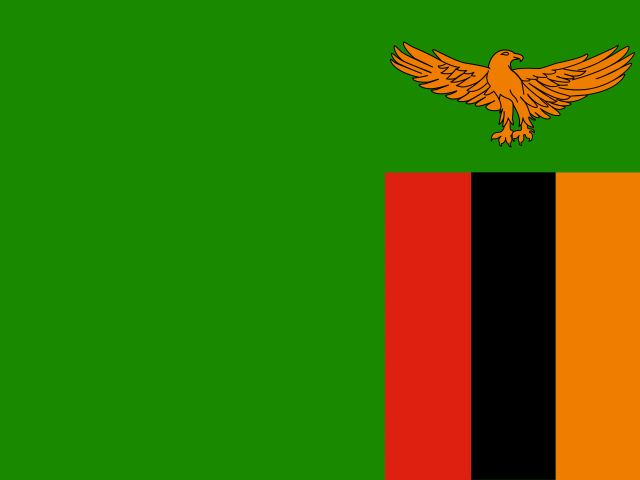 Botswana or Zambia
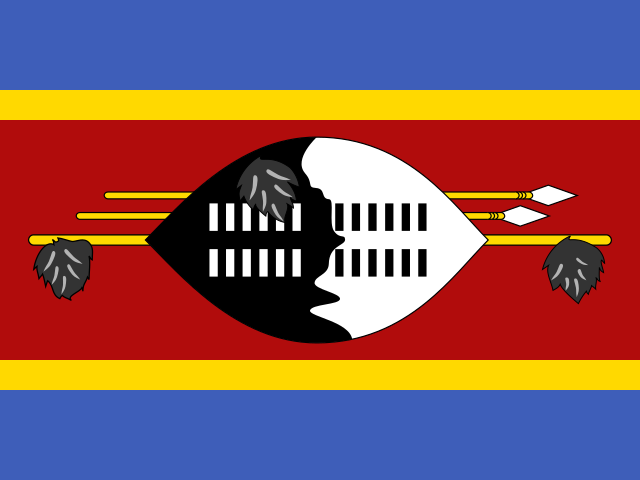 Eswatini
 Lesotho
 Malawi
 Mozambique
 Zimbabwe