AfriqueUnie
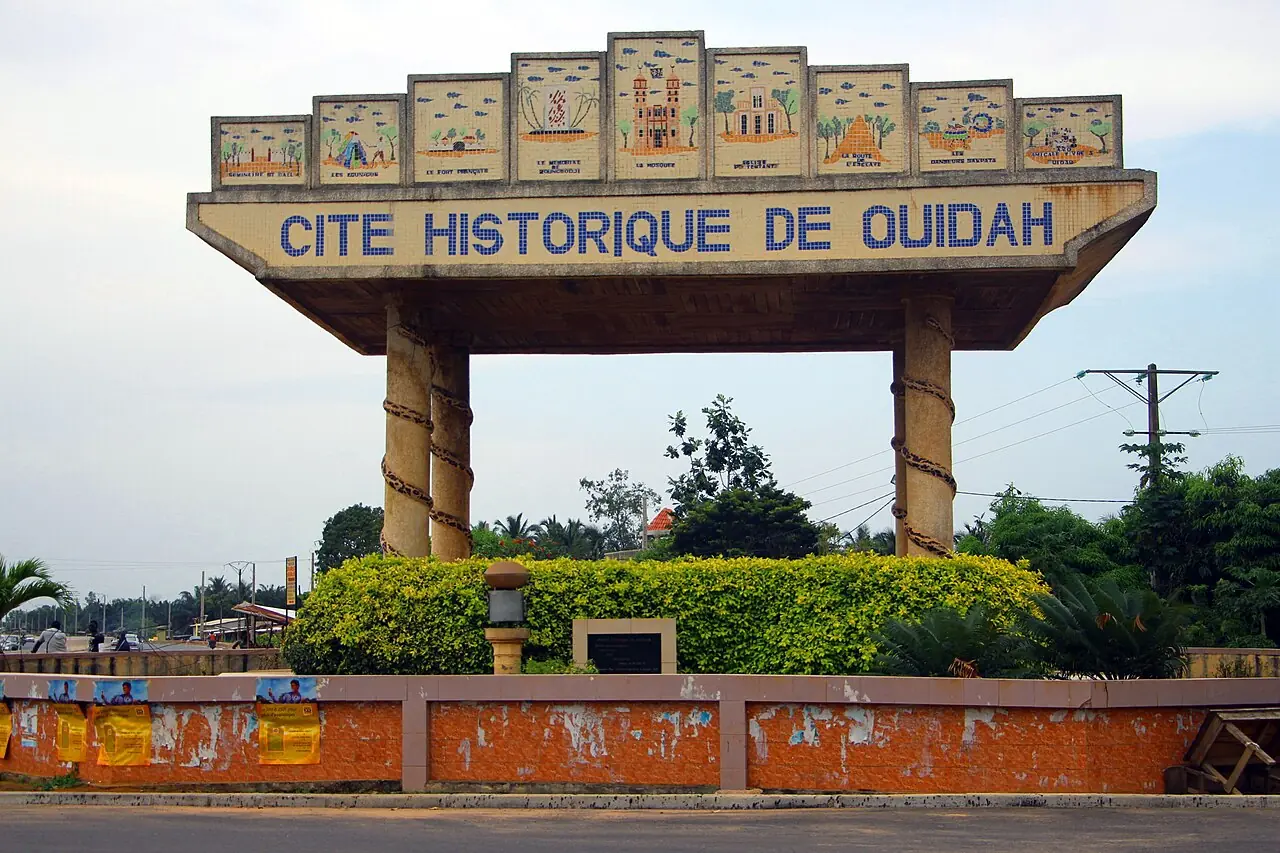 Photo: DEGAN Gabin · CC BY-SA 4.0
Published by Adama Doumbia, founder of Afrique Unie · updated 28 November 2026 · our method and sources
Why visit Ouidah?
Ouidah is a peaceful little town some forty kilometres west of Cotonou, yet it carries one of the heaviest memories on the continent. In the 18th and 19th centuries it was one of the main ports of the Atlantic slave trade, from which hundreds of thousands of Africans were shipped to the Americas. Even so, its quiet streets, colonial and Afro-Brazilian houses and immense trees invite you to wander.
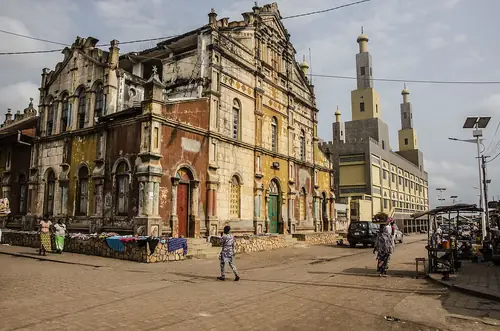
Ouidah is also regarded as the spiritual capital of vodun. The Temple of Pythons, facing the Catholic basilica, houses sacred snakes you can get close to; the sacred forest of Kpassè, where the founding king is said to have turned into a tree, is peopled with sculptures of deities. Every year, on 10 January, the Vodun Festival draws immense crowds to the beach, and recently a fuller programme of festivities has grown up around the date.
The Slave Route, four kilometres long, links the town centre with the beach, where the Door of No Return stands, a monument erected in 1995 in memory of those deported. The Portuguese fort, now a history museum, traces the town's role in the slave trade and its ties with Brazil.
Things to do in Ouidah: 6 ideas
- 01Ouidah History MuseumHoused in the old Portuguese fort, it traces the slave trade and the links between Benin and Brazil.
- 02Temple of PythonsA vodun sanctuary where sacred pythons live, opposite the Basilica of the Immaculate Conception.
- 03Kpassè sacred forestA grove peopled with sculptures of vodun deities, to be visited with a guide.
- 04The Slave RouteFour kilometres lined with monuments, leading to the beach and the Door of No Return.
- 05Afro-Brazilian housesColourful façades and multi-storey houses, the legacy of Agudá families who returned from Brazil.
- 06Contemporary art foundationA restored Afro-Brazilian villa that hosts exhibitions by African artists.
Ouidah in one day
- 01MorningStart the day at the Ouidah History Museum, in the old Portuguese fort of 1721, to understand the slave trade and the town's links with Brazil. Then walk to the Python Temple, opposite the Basilica of the Immaculate Conception: the two buildings facing each other sum up the town's religious spirit.
- 02LunchHave lunch at a maquis in the centre: amiwo with chicken, white maize paste with okra sauce or grilled fish with fresh chilli. Order a bissap juice and use the break to book a guide for the afternoon.
- 03AfternoonWith a guide, visit the sacred forest of Kpassè, in the Tovè district, filled with sculptures of vodun deities, then follow the four-kilometre Slave Route, by car or on foot, through Zoungbodji to the beach and the Door of No Return.
- 04EveningWatch the sunset at the Door of No Return, without swimming: the shore break and violent currents claim lives every year. Stay with your group, never walk on the beach alone, and head back into town by car for dinner as soon as the sun has set.
A second day in Ouidah
- 01MorningWander among the colourful Afro-Brazilian houses in the centre, then go to Place Maro, heart of the quarter of Afro-Brazilian families, many descended from former captives who returned from Brazil in the nineteenth century, near the central mosque. Continue to a restored Afro-Brazilian villa that hosts exhibitions of contemporary African art.
- 02LunchHave prawns, crab or grilled fish, with akassa or ablo, small steamed maize breads. Avoid driving in the hottest hours and take plenty of water for the afternoon trip.
- 03AfternoonHead west to Grand-Popo, under an hour away, then take a pirogue on the Mono river to the Bouche du Roy, the river mouth, among mangroves and fishing villages. Do not swim in the sea: swimming is dangerous along the whole Beninese coast.
- 04EveningDrive back to Ouidah before dark, as French authorities advise against travelling after sunset. End with a simple dinner in the centre and, if you are there in early January, ask about the Vodun Days ceremonies.
A little history
Ouidah, known to the Hueda people as Glexwe, was first the port of the kingdom of Savi, where the Portuguese, French, English and Dutch built forts in the 17th and 18th centuries. The Portuguese fort of São João Baptista de Ajudá was built in 1721. In 1727 King Agaja of Dahomey conquered the town, which for more than a century became one of the main ports of the Atlantic slave trade; the Brazilian Francisco Félix de Souza, the "Chacha", controlled the trade on behalf of the kings of Abomey. In the 19th century, former slaves returning from Brazil, the Agudas, built houses and churches here.
After the French conquest of Dahomey in the 1890s, Ouidah declined as Cotonou and its port took over. The Portuguese fort, an enclave until Dahomey annexed it in 1961, now houses the history museum. In the 1990s the town became a place of remembrance: UNESCO's Slave Route project was launched here, and the Door of No Return was unveiled in 1995. Vodun, an officially recognised religion celebrated every 10 January, remains at the heart of local life.
What to eat in Ouidah
Beninese cooking is built on maize dough: white pâte, served with okra sauce, tomato and fish sauce or a leafy green sauce, and amiwo, a red dough cooked in tomato sauce and served with chicken or fish. Near the sea and the lagoon, grilled fish, prawns and crabs are everywhere, served with fresh chilli. On the streets you'll find akassa, ablo, small steamed maize breads, fritters and fried yam.
To drink, bissap and ginger juice are a must. Sodabi, a palm-wine spirit, plays a part in vodun ceremonies and is best drunk in moderation; in the north of the country, people make tchoukoutou, a millet beer. To eat, try the maquis and drinking spots in the centre, the women selling food around the market and the fish grills on the beach near the Door of No Return.
Where to stay in Ouidah
In the centre, a few simple hotels and guesthouses let you walk between the museum, the Temple of Pythons and the sacred forest. On the beach, near the Door of No Return, seafront hotels and lodges offer a more relaxed atmosphere, with pools and ocean views, and the chance to walk the Slave Route.
Getting there and getting around
Ouidah has no airport: you fly into Cotonou International Airport (code COO), some forty kilometres to the east, about an hour's drive depending on traffic. You can make the trip by taxi, motorbike taxi or car with driver; shared taxis also run between Cotonou and Ouidah. Many nationalities, including British and French citizens, need to apply online for an e-visa before travelling.
Once there, the centre is walkable, and zémidjans, motorbike taxis, will take you down the Slave Route to the beach; insist on a helmet and agree on the fare before setting off. The currency is the West African CFA franc, pegged to the euro: withdraw money in Cotonou or at the town's few ATMs, as cash is essential.
France Diplomatie places southern Benin, including Ouidah, under heightened vigilance, while in the north the Pendjari and W national parks, their surroundings and the areas bordering Burkina Faso and Niger are advised against entirely, and central Atacora is advised against except for essential travel. In Ouidah, stay alert at night and on the beach, where swimming is advised against all year round because of the heavy surf and strong currents. The best time to visit is November to March, the dry season; January coincides with the Vodun Festival.
Frequently asked questions
How many days do you need in Ouidah?
A full day lets you see the history museum, the Python Temple, the sacred forest and the Slave Route down to the Door of No Return. Allow two days to wander among the Afro-Brazilian houses or enjoy the beach.
When is the Vodun Festival in Ouidah?
The national festival of traditional religions takes place every year on 10 January, a public holiday in Benin. Ceremonies are held on the beach and in the temples, with dancing, singing and masked processions. In recent years the celebrations have also spread over the preceding days, so book your accommodation well in advance.
How do you get from Cotonou to Ouidah?
The direct road links Cotonou and Ouidah in about an hour, by shared taxi, motorbike taxi or car with driver. For a day trip, leave early in the morning to avoid the traffic on the way out of Cotonou.
What is there to see around Ouidah?
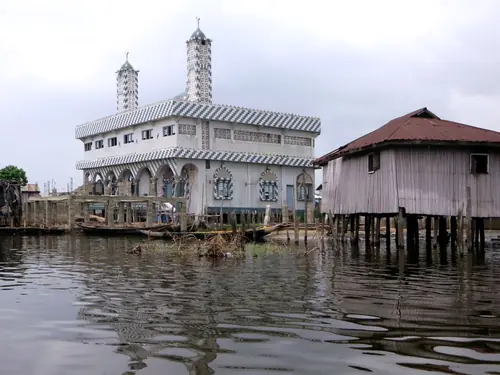
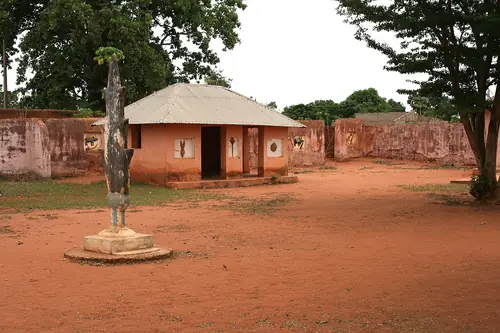
Grand-Popo, further west, has beaches and pirogue trips to the Bouche du Roy. Ganvié, the stilt village on Lake Nokoué, and Porto-Novo, the capital, lie on the other side of Cotonou. The Royal Palaces of Abomey, a UNESCO World Heritage Site, are a few hours' drive away.
Do you need a guide to visit Ouidah?
It is highly recommended: a local guide explains the meaning of the slave trade sites and the codes of vodun, can get you into certain temples and makes the visit to the sacred forest of Kpassè far richer. Agree the fee and length of the tour before you set off.
Can you swim in Ouidah?
No: the French foreign ministry advises against swimming all year round on the Beninese coast because of the shore break and violent currents, which claim several lives every year. Enjoy the beach for a walk and the Door of No Return, and use a pool for swimming.
 Benin