 AfriqueUnie
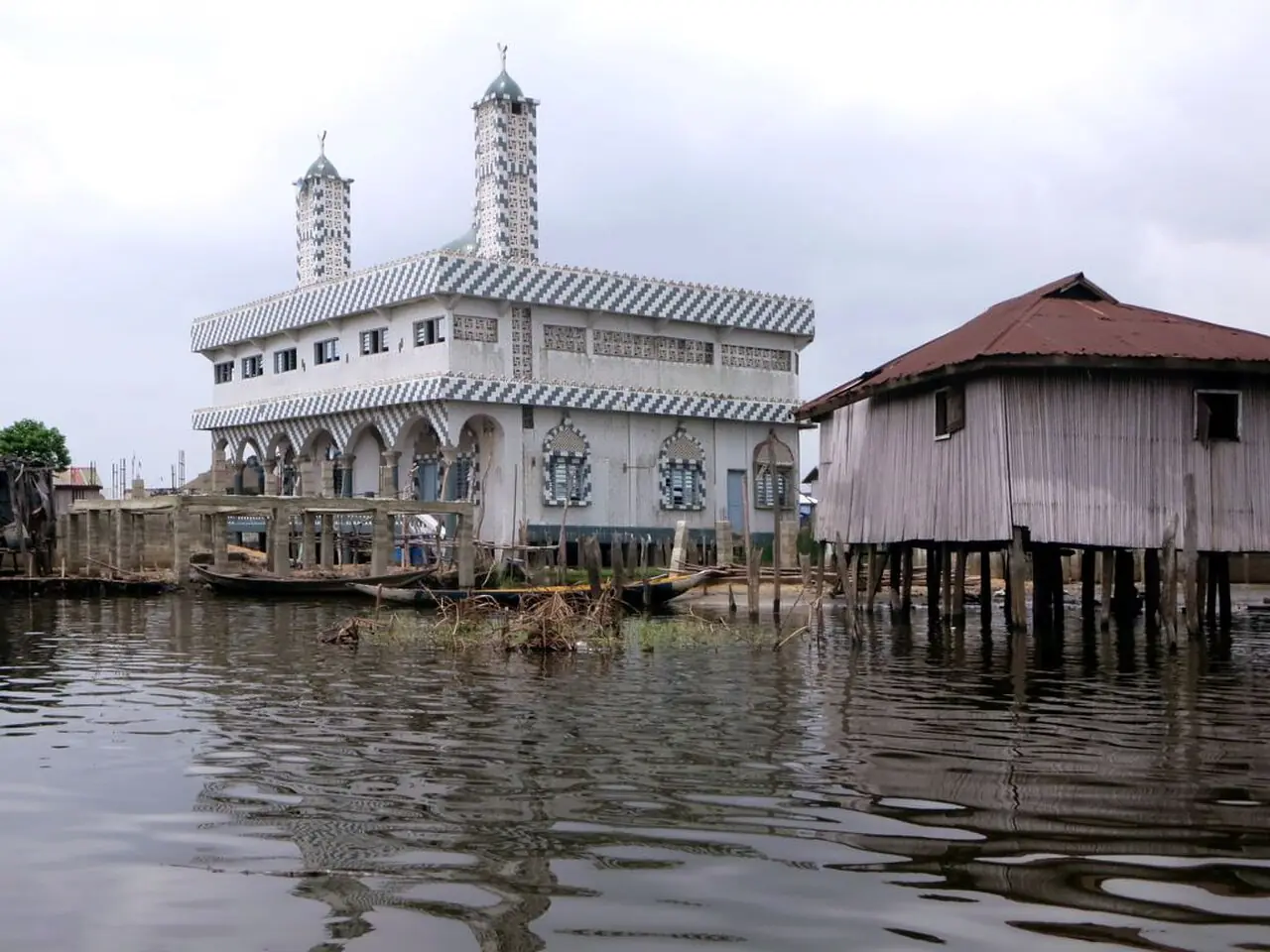 Photo: David Stanley from Nanaimo, Canada · CC BY 2.0
Published by Adama Doumbia, founder of Afrique Unie · updated 28 November 2026 · our method and sources
- Days 1-2
Cotonou, Dantokpa and the seafront
Cotonou is the country's economic capital and a good introduction. Dive into Dantokpa market, one of the largest in West Africa, where you can find everything from fabric to fetishes, ideally with a guide so as not to get lost. The next day, look at the large murals and statues that have transformed some neighbourhoods in recent years, including the imposing Amazon statue, then seek out the city's contemporary art exhibitions, which change often: ask locally. Late in the day, head to Fidjrossè beach for sunset and grilled fish. To get around, zemidjans, motorbike taxis, are everywhere: insist on a helmet.
- Day 3
Ganvie, the lake city
About twenty kilometres north of Cotonou, the Abomey-Calavi jetty is the departure point for pirogues to Ganvie. This stilt village, built on Lake Nokoué by people who once fled slave raids, is home to thousands of residents who live from fishing. The crossing takes about half an hour, gliding between the acadjas, brushwood enclosures that act as fish traps, to the floating market where women sell from their boats. Go in the morning, when activity is at its peak, and always ask before photographing residents. Buy your tickets at the official counter at the jetty.
- Day 4
Porto-Novo, the Afro-Brazilian capital
About an hour's drive east, depending on traffic, brings you to Porto-Novo, the administrative capital, with a far more peaceful pace than Cotonou. The city has kept fine Afro-Brazilian houses, built by former slaves who returned from Brazil in the nineteenth century, and a great mosque designed in the style of a baroque church. Visit the Da Silva Museum, devoted to this history, the Honmè Museum, a former royal palace, and the botanical garden, a sacred forest in the heart of the city. In the evening, return to Cotonou or stay overnight to enjoy the calm. It is also a good place to try Yoruba cooking, which is widespread here.
- Day 5
Abomey and the royal palaces of Dahomey
Allow two and a half to three hours' drive north to Abomey, the former capital of the kingdom of Dahomey. The UNESCO-listed royal palaces form a vast complex of earthen walls decorated with bas-reliefs telling the story of the kings and their armies, including the famous Amazons. Major museum works have been carried out in recent years: check what is open at the time of your visit. Then stroll through town to meet the appliqué weavers, who keep up the tradition of the royal hangings, and the blacksmiths. Spend the night here so you can set off calmly the next day.
- Days 6-7
Ouidah, memory and voodoo
Head back down to the coast: Abomey and Ouidah are two and a half to three hours apart by road. On the first day, follow the four kilometres of the Slave Route on foot or by bike, from the auction square to the Door of No Return on the beach, a deeply moving walk. The next day, visit the Python Temple, opposite the basilica, the sacred forest of Kpassè and the Portuguese fort, then ask about the new museums devoted to the memory of slavery, which have been opening in stages. Every early January, Ouidah hosts the national voodoo celebrations: an exceptional moment, but accommodation fills up fast.
- Days 8-9
Lake Ahémé and Grand-Popo, then home
An hour's drive west brings you to Grand-Popo, a large fishing village between lagoon and ocean, not far from the Togolese border. Make a detour via Lake Ahémé and the village of Possotomé, known for its mineral spring and pirogue trips with the fishermen. In Grand-Popo, hire a pirogue to go down the lagoon to the Bouche du Roy, where the Mono River meets the sea, among mangroves and villages. Swimming in the ocean is dangerous because of the currents. On the last day, allow an hour and a half to two hours' drive to Cotonou airport, leaving early if your flight is during the day.
Getting around
The simplest solution is a car with a driver for the whole trip: distances are short, but roads are busy and driving is unpredictable. In town, zemidjans are fast and cheap, as long as you insist on a helmet. Shared taxis and minibuses link Cotonou, Porto-Novo, Ouidah and Abomey on a small budget. Do not drive at night. The north of the country, in particular the Pendjari and W national parks and their surroundings, is formally advised against by France: this route stays in the south, but check your government's official travel advice before you leave.
When to do this trip
The dry season, from November to February or March, is the best time, despite the harmattan that sometimes hazes the sky in December and January. In early January, the voodoo celebrations draw crowds to Ouidah: book early. The south has two rainy seasons, the main one from April to July and a shorter one in September and October, with humid heat and muddy tracks.
The travel notebook
The itinerary, practical information (entry, health, money, emergencies) and the checklist in a few pages, to print or keep offline on your phone.
Variations
- In 6 days: keep Cotonou, Ganvie, Ouidah and Abomey, visiting Porto-Novo as a day trip from Cotonou.
- In 12 days: combine the route with neighbouring Togo, from Lomé to the hills of Kpalimé, after checking border formalities.
- Culture version: come in early January for the voodoo celebrations in Ouidah, and add a day meeting priests and visiting convents with a local guide.