AfriqueUnie
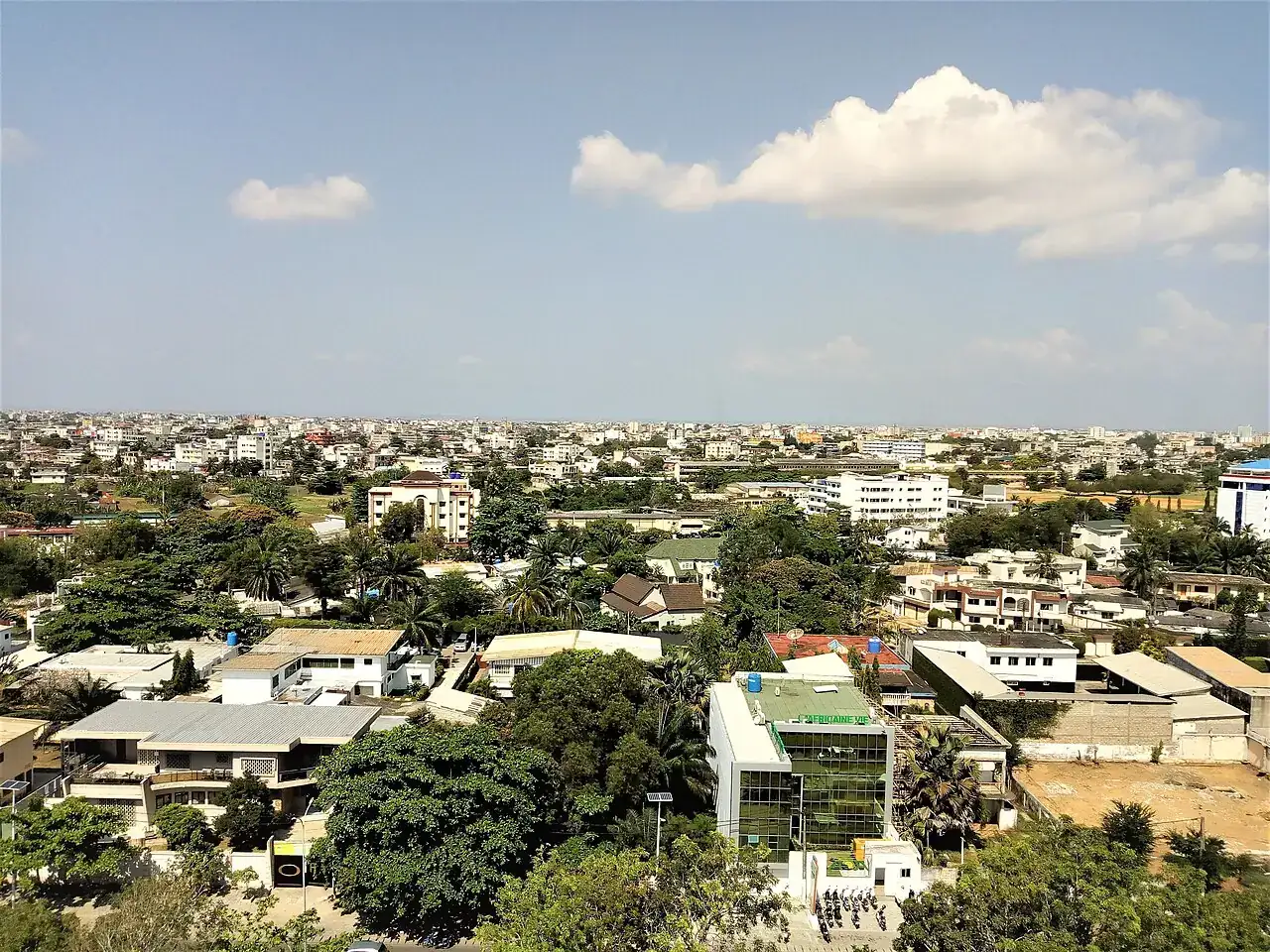 Photo: Adoscam · CC BY-SA 4.0
Published by Adama Doumbia, founder of Afrique Unie · updated 28 November 2026 · our method and sources
Why visit Cotonou?
Cotonou is Benin's economic capital, a city stretched out between the ocean and Lake Nokoué and cut in two by a lagoon. It has neither the architectural elegance of Porto-Novo nor the historical depth of Ouidah, but it has an energy all of its own, made up of roaring motorbikes, overflowing markets, music and neighbourhood life.
The city has been profoundly transformed in recent years: revamped boulevards, a redeveloped seafront, new cultural venues and giant murals that have blossomed on its walls, telling the history and symbols of the country. At the Étoile Rouge roundabout, the monument inherited from the Marxist era recalls another time, while the recently erected Amazon statue pays tribute to the women warriors of Dahomey.
Cotonou is also the ideal base for exploring the south: Ganvié is a few dozen minutes away, Ouidah an hour, Porto-Novo less than an hour and Abomey a few hours. It has hotels, restaurants and services, and a cultural scene that is growing fast, with art centres, galleries and concert venues.
Things to do in Cotonou: 6 ideas
- 01Dantokpa MarketThe great market on the edge of the lagoon: fabrics, spices, fish and an astonishing section of vodun goods.
- 02Fidjrossè BeachRestaurants with your feet in the sand facing the ocean. France's foreign ministry considers the city's beaches unsafe by day and by night: don't go alone, leave valuables behind, travel back by car and don't swim.
- 03MuralsWander past the city's painted walls to discover monumental works by contemporary artists.
- 04The Amazon statueA towering bronze figure standing on the seafront, a tribute to the women warriors of Dahomey.
- 05Contemporary art centresSeveral foundations and cultural centres showcase Beninese art and put on exhibitions.
- 06An evening in Haie ViveThis neighbourhood is packed with bars and restaurants, popular with expats and Cotonou residents alike.
Cotonou in one day
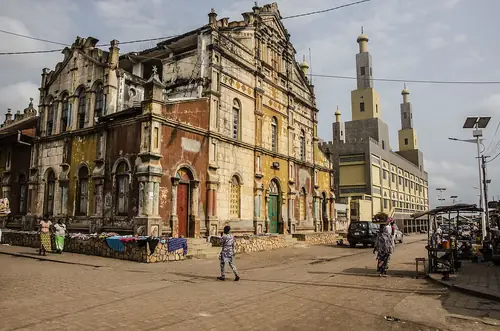
- 01MorningStart around 8 am at Dantokpa market, when it is at its liveliest and still cool: go with a local companion, leave valuables behind, and walk through the fabric section and then the vodun stalls. Finish at the nearby Cathedral of Notre-Dame-de-Miséricorde, with its striking red-and-white striped façade.
- 02LunchEat at a maquis in the centre, around Ganhi: amiwo with chicken, white maize paste with okra sauce, or grilled fish with chilli. Pick a place where the food comes out hot and local office workers queue at lunchtime, which is the best sign of freshness.
- 03AfternoonWith a car and driver, follow the giant murals painted across the city, pass the Étoile Rouge roundabout, then head to the seafront and the Amazon statue. Enjoy the ocean view from the esplanade without going down onto the beach, which is considered unsafe by day and by night, and do not swim: the shore break and currents are dangerous.
- 04EveningHave dinner in Haie Vive, the liveliest district after dark, with its terraces and grills. Get dropped off and picked up by car: the French foreign ministry advises against moving around on foot at night, especially alone, and against the port districts and the areas along the railway lines in the centre at night, and considers the city's beaches unsafe at any time.
A second day in Cotonou
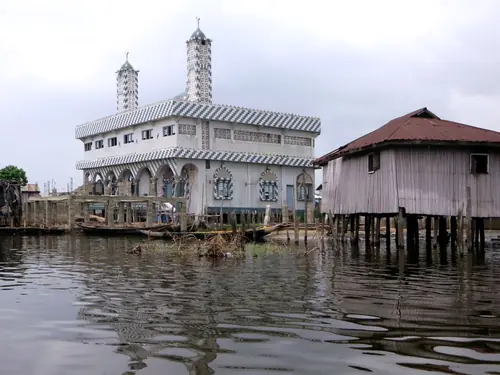
- 01MorningLeave early for the Abomey-Calavi jetty, north of the city, then cross Lake Nokoué by pirogue to Ganvié, the lake village built on stilts. Ask before photographing residents and agree the boat fare before boarding, ideally at the jetty's ticket office.
- 02LunchBack on dry land, have fried or grilled fish in Abomey-Calavi with akassa or aloko, fried plantain. Then head east, avoiding rush hour on Cotonou's bridges, which are often gridlocked.
- 03AfternoonDrive to Porto-Novo, the capital, about an hour away. Visit the Honmè Museum in the former royal palace, then admire the colourful Afro-Brazilian façade of the Great Mosque. If time allows, the Jardin des Plantes et de la Nature offers a shady break.
- 04EveningBe back in Cotonou before dark: roads are poorly lit and French authorities advise against driving after sunset. End with a simple dinner near where you are staying, with a glass of bissap or ginger juice, while you plan the next day's trip.
What to eat in Cotonou
Cotonou's food is that of the whole of southern Benin: maize paste served with okra sauce, leaf sauce or tomato and fish sauce, amiwo, the red maize paste, telibo, made from dried yam flour, and pounded yam with peanut sauce. Also try wagassi, Fulani cheese fried or simmered in sauce, atassi, rice with beans, and aloko, fried plantain.
To eat like a local, look for neighbourhood maquis, the women who set up by the roadside at lunchtime and the fish and chicken grills that light up in the evening in Haie Vive and Cadjehoun. At Dantokpa market you will find bean fritters, akassa and seasonal fruit. For something sweet, try akpan, a creamy fermented maize dessert. Stick to well-cooked dishes and bottled water.
Where to stay in Cotonou
Haie Vive and Cocotiers, near the airport and the beach, are residential, lively areas with restaurants, mid-range hotels and guesthouses. Fidjrossè, on the seafront, has a seaside feel and a few hotels with ocean views. The centre, around Ganhi, is handy for shops and markets. Akpakpa, across the lagoon, is more working-class and less touristy.
Getting there and getting around
Cardinal Bernardin Gantin International Airport, also known as Cotonou-Cadjehoun (code COO), lies within the city itself, west of the centre, between the sea and the Haie Vive district. Most accommodation is less than half an hour away. Ask your accommodation to arrange the transfer, especially for a night arrival: British authorities advise against taxis, which are often poorly maintained. Failing that, agree the fare before loading your bags.
Cotonou is sprawling and hot, so walking only works within one neighbourhood. Zémidjans, the ubiquitous motorbike taxis, are fast but the French foreign ministry advises against them because accidents are frequent. The safest option is a car with driver booked by the half-day or day through your accommodation, which also covers trips to Ganvié, Ouidah or Porto-Novo. Carry small CFA franc notes and avoid travelling at night.
Frequently asked questions
How do you get from Cotonou airport to the centre?
Cotonou Cadjehoun Airport is in the city, near the Haie Vive and Cocotiers districts: allow ten to twenty minutes for most hotels. The safest option is to have your accommodation arrange the transfer.
How do you get around Cotonou?
France's foreign ministry advises against motorbike taxis, the zémidjans, because accidents are frequent, and the UK authorities consider taxis and long-distance buses poorly maintained. The safest option is a car with driver booked through your accommodation or a reputable provider. Avoid travelling at night, especially alone and on foot.
Is Cotonou safe?
Cotonou is under heightened vigilance. France's foreign ministry advises avoiding the port districts and those along the railway lines in the centre at night, and states that the city's beaches are not safe by day or by night. Stay alert in crowded places, particularly Dantokpa market, where theft is common.
What is there to see around Cotonou?
Ganvié, the stilt village on Lake Nokoué, is reached by pirogue from Abomey-Calavi; Ouidah is about an hour's drive and Porto-Novo less than an hour. Abomey and its royal palaces need a full day. Further north, the Pendjari and W national parks are strongly advised against, and the Natitingou area is advised against except for essential travel.
When is the best time to visit Cotonou?
The main dry season, from December to March, is the most pleasant, although the harmattan sometimes hazes the sky. Rain falls mainly from April to July, then in September and October. In early January, the Vodun festival draws many visitors to the region, especially to Ouidah.
How many days do you need in Cotonou?
One day is enough for Dantokpa market, the murals, the Amazon statue and an evening in Haie Vive. Allow two to three days if you use Cotonou as a base for Ganvié, Porto-Novo and Ouidah, each less than an hour and a half away by road.
What is there to do in Cotonou in the evening?
Haie Vive is the hub for terraces, grills and music, and the cultural scene puts on concerts and exhibitions in several arts centres. Travel by booked car rather than on foot, and avoid the port districts at night and the beaches at any time, as the French foreign ministry recommends.

 Benin