AfriqueUnie
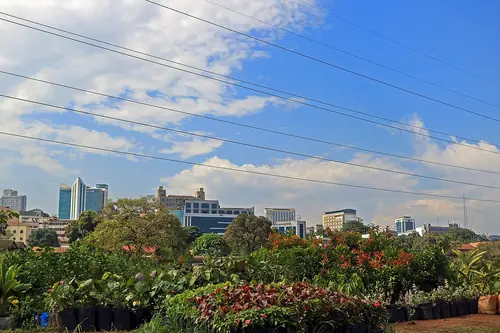
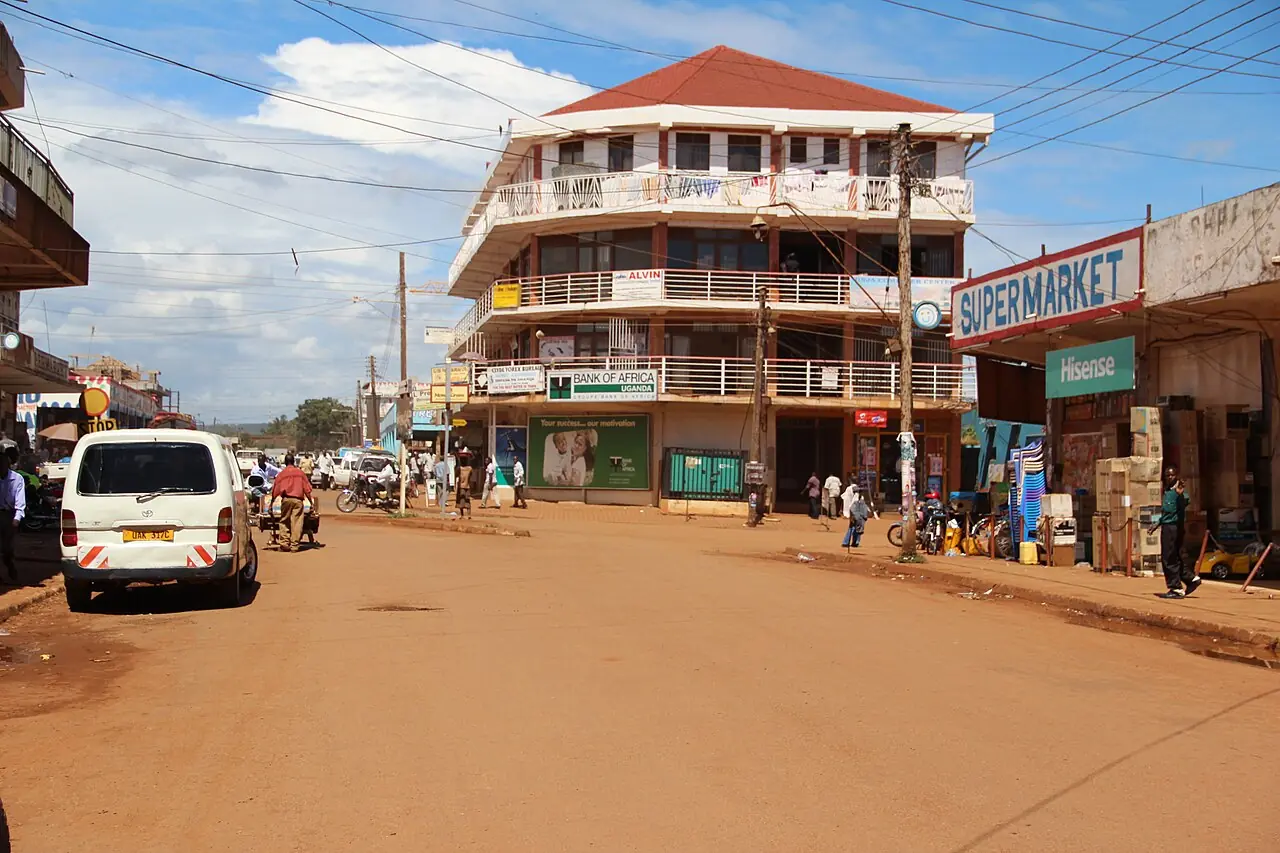 Photo: Ilona1001 · CC BY-SA 3.0
Published by Adama Doumbia, founder of Afrique Unie · updated 28 November 2026 · our method and sources
Why visit Jinja?
Jinja lies where the Nile leaves Lake Victoria to begin its journey of more than six thousand kilometres to the Mediterranean. It was here in 1862 that the British explorer John Hanning Speke identified what he presented as the source of the Nile, and a monument on the bank commemorates the episode. You can take a boat to see the point where the lake's waters begin to slip northwards, and where underground springs bubble up to the surface.
A former industrial and trading town, Jinja has kept fine colonial-era houses and buildings with Indian-style façades, testimony to the South Asian community that thrived here before its expulsion under Idi Amin. The town has remained calm, almost provincial, with its wide avenues and gardens.
But above all Jinja has become Uganda's adventure sports capital. Even though the construction of hydroelectric dams has drowned some famous rapids, such as those at Bujagali, the Nile still offers powerful stretches downstream for rafting, kayaking and stand-up paddleboarding, as well as bungee jumping, quad biking and mountain biking along its banks.
Things to do in Jinja: 6 ideas
- 01The source of the NileTake a small boat to the point where the Nile flows out of Lake Victoria, and see the bubbles of the underwater springs.
- 02RaftingTake on a day of powerful rapids with experienced crews, or choose a gentler family version.
- 03Kayaking and paddleboardingGlide over the calm stretches of the river at sunrise, among birds and fishermen.
- 04Bungee jumpingLeap above the Nile from a platform overlooking the river, for the most daring.
- 05Jinja marketDiscover this big, lively and colourful market, with its fabrics, fruit and workshops.
- 06Sunset on the NileBoard a late-afternoon cruise and watch the sky blaze above the water.
Where to stay in Jinja
In Jinja you stay either in the centre, handy for restaurants and shops, or, more often, along the Nile north of town, in lodges, camps and guesthouses perched above the water. Many rafting operators also offer their own accommodation, from dormitories to rooms with a view. The old colonial residential districts, green and quiet, have a few guesthouses with old-fashioned charm. The shores of Lake Victoria also offer peaceful retreats.
Frequently asked questions
How do I get from Kampala to Jinja?
Jinja is about 80 km east of Kampala; allow two to three hours depending on traffic. France considers public transport dangerous, so take a car with a driver and travel by day, as the Kampala–Jinja road sees many accidents. From Entebbe airport, add one to two hours.
Is rafting in Jinja suitable for beginners?
Yes, guided descents are offered to beginners, with life jackets, helmets, a safety briefing and safety kayakers. The rapids are still powerful, so choose a reputable operator, tell them how well you swim and respect their minimum ages.
Is Jinja safe?
France reports a recent rise in crime in Jinja and urges great vigilance. Avoid walking at night, don't carry a handbag and don't carry large sums of money. If you use a motorbike taxi, wear a helmet and book it through an app, as France recommends; the UK reports muggings of foreigners on these bikes.
Can you photograph the dam near the source of the Nile?
No: according to the UK, photographing military and official sites is forbidden, including the Owen Falls Dam near the source of the Nile. Feel free to photograph the river and the Speke monument, but put your camera away near the installations.
When is the best time to visit Jinja?
The dry seasons, December to February and June to August, are the most pleasant. Rafting runs all year, but France notes rain from March to June and September to November, with possible flooding. Protect yourself from the sun, which is very strong on the water.
 Uganda