 AfriqueUnie
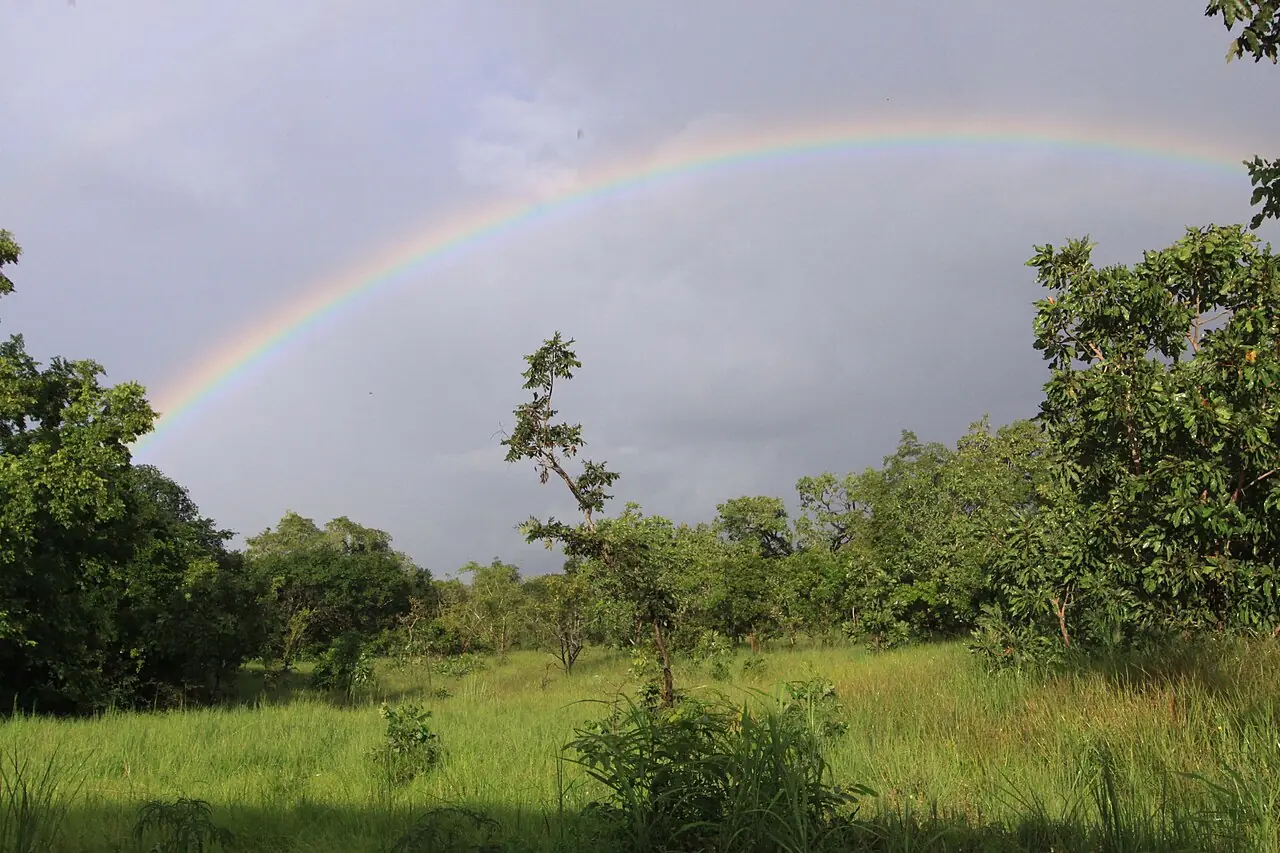 Photo: ETF89 · CC BY-SA 4.0
Published by Adama Doumbia, founder of Afrique Unie · updated 28 November 2026 · our method and sources
Why go
In the north-east of the country, Comoé National Park is one of the largest protected areas in West Africa. Crossed by the Comoé River, it combines wooded savannah, gallery forests, islands of dense forest and inselbergs, giving it a great diversity of habitats. It is a UNESCO World Heritage Site.
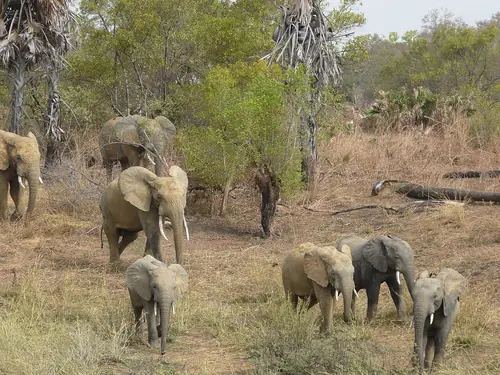
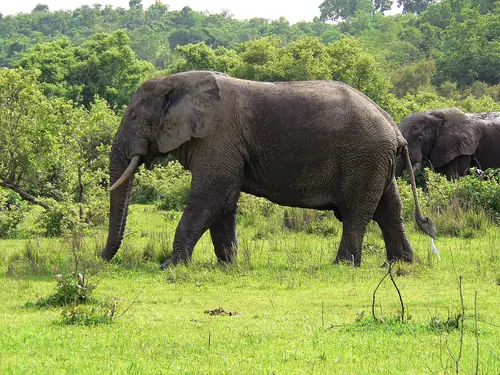
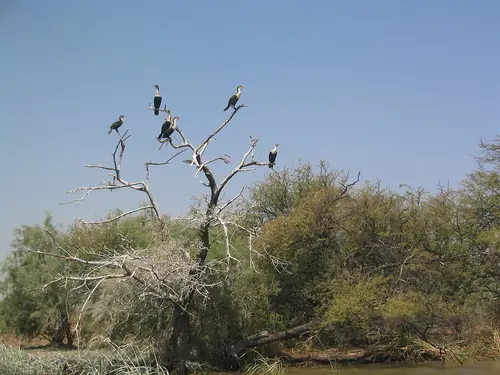
After difficult years during the Ivorian crisis, which had put it on the List of World Heritage in Danger, the park benefited from major conservation efforts and was removed from the list in 2017. Its wildlife is recovering: antelopes such as hartebeest and kob, hippos, buffalo, monkeys, a great many birds, and elephants and big predators, which are rarer and more elusive. This is not a park for ticking off a list of animals, but for experiencing wild, little-visited bush.
Getting there
The park is a long way from Abidjan: allow one to two days by road, via Bondoukou and Bouna in the south-east, or via Kong and Kafolo in the west. Tourist infrastructure is limited and the tracks are barely passable in the rainy season. A visit has to be arranged with the park authorities, with a four-wheel-drive vehicle and an experienced driver.
 Benin
 Ghana
 Nigeria
 Senegal