 AfriqueUnie
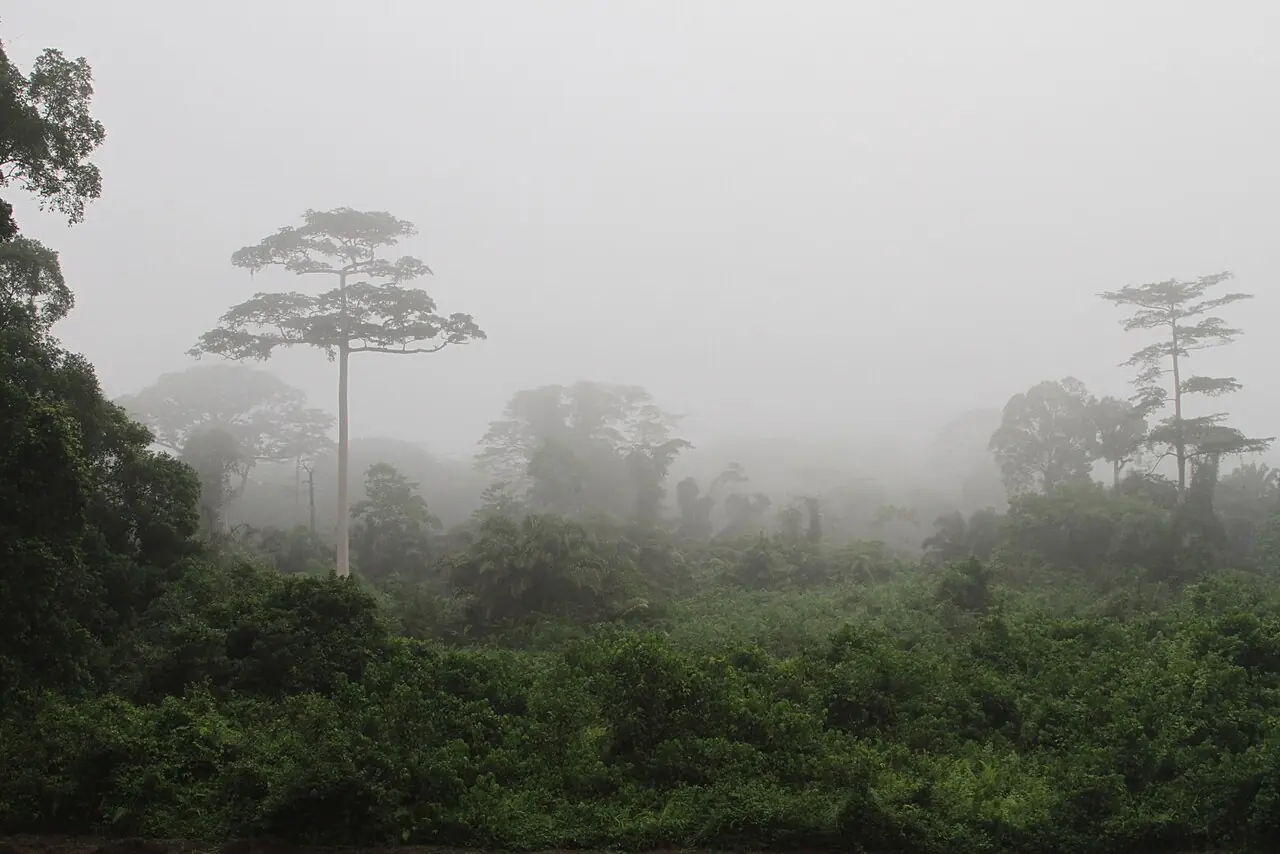 Photo: yakovlev.alexey from Moscow, Russia · CC BY-SA 2.0
Published by Adama Doumbia, founder of Afrique Unie · updated 28 November 2026 · our method and sources
Why go
In the south-west of the country, near the Liberian border, Taï National Park protects one of the last large blocks of primary tropical rainforest in West Africa, a remnant of the forest that once covered the whole region. A UNESCO World Heritage Site, it is home to immense trees with giant buttress roots, extremely rich flora and rare wildlife: pygmy hippopotamus, duikers, forest elephants and many species of monkey.
Taï is world-famous for its chimpanzees, which researchers have been following for decades. These groups are celebrated for their use of tools, notably stones and sticks to crack nuts, a skill passed down from generation to generation. Some of the ecotourism activities, run with the neighbouring communities, let you follow groups that are used to human presence and walk in the forest with local trackers.
Getting there
The park is remote: allow a long day's drive from Abidjan, via San-Pédro or via Daloa and Guiglo, then tracks to the entry villages. A four-wheel-drive vehicle with a driver is strongly recommended, especially in the wet season. Note that France Diplomatie advises against all but essential travel to the Liberian border area, including the town of Taï, and the UK government advises against all but essential travel within 20 kilometres of that border: read the official advice before making plans. Visits must be booked in advance through the park management and ecotourism bodies, which arrange accommodation in an eco-lodge or campement.
Frequently asked questions
Is it safe to travel to Taï National Park?
The park and its visitor access points lie in an area where all but essential travel is advised against: France Diplomatie classes the Liberian border area this way, including the towns of Taï, Tabou and Grabo, because it is isolated and hard to reach. The UK government also advises against all but essential travel within 20 kilometres of the Liberian border, owing to the risk of serious violence by local militias. Read the official advice before making plans, and only travel with arrangements organised by the park's managers.
How long does it take to get from Abidjan to Taï National Park?
Allow a long day's drive, via San-Pédro or via Daloa and Guiglo, followed by tracks to the entry villages. A four-wheel drive with a driver is strongly recommended. France Diplomatie advises travelling in a convoy of at least two vehicles, in daylight, and staying on main roads.
Can you see chimpanzees in Taï National Park?
Yes, ecotourism lets you follow groups of chimpanzees habituated to people, which researchers have studied for decades. They are famous for cracking nuts with stones and sticks, a skill passed down the generations. Allow two to three days in the park for a reasonable chance of seeing them.
What rules apply when watching the Taï chimpanzees?
Strictly follow the distance and health rules set by the trackers, as great apes are very vulnerable to human diseases. Do not come if you are ill, do not eat near the animals and leave no litter. Visits must be booked in advance with the park's management and ecotourism bodies.
When should you go to Taï National Park and what should you bring?
The dry season, from December to February, is the most practical time in this forest, which gets more than 1,600 millimetres of rain a year. Walks can be long and wet, so closed shoes, long clothing, insect repellent and good fitness are essential. The park is also home to the pygmy hippo and to Mount Niénokoué, an inselberg rising above the forest.

 Ghana


 Guinea
 Guinea-Bissau