 AfriqueUnie
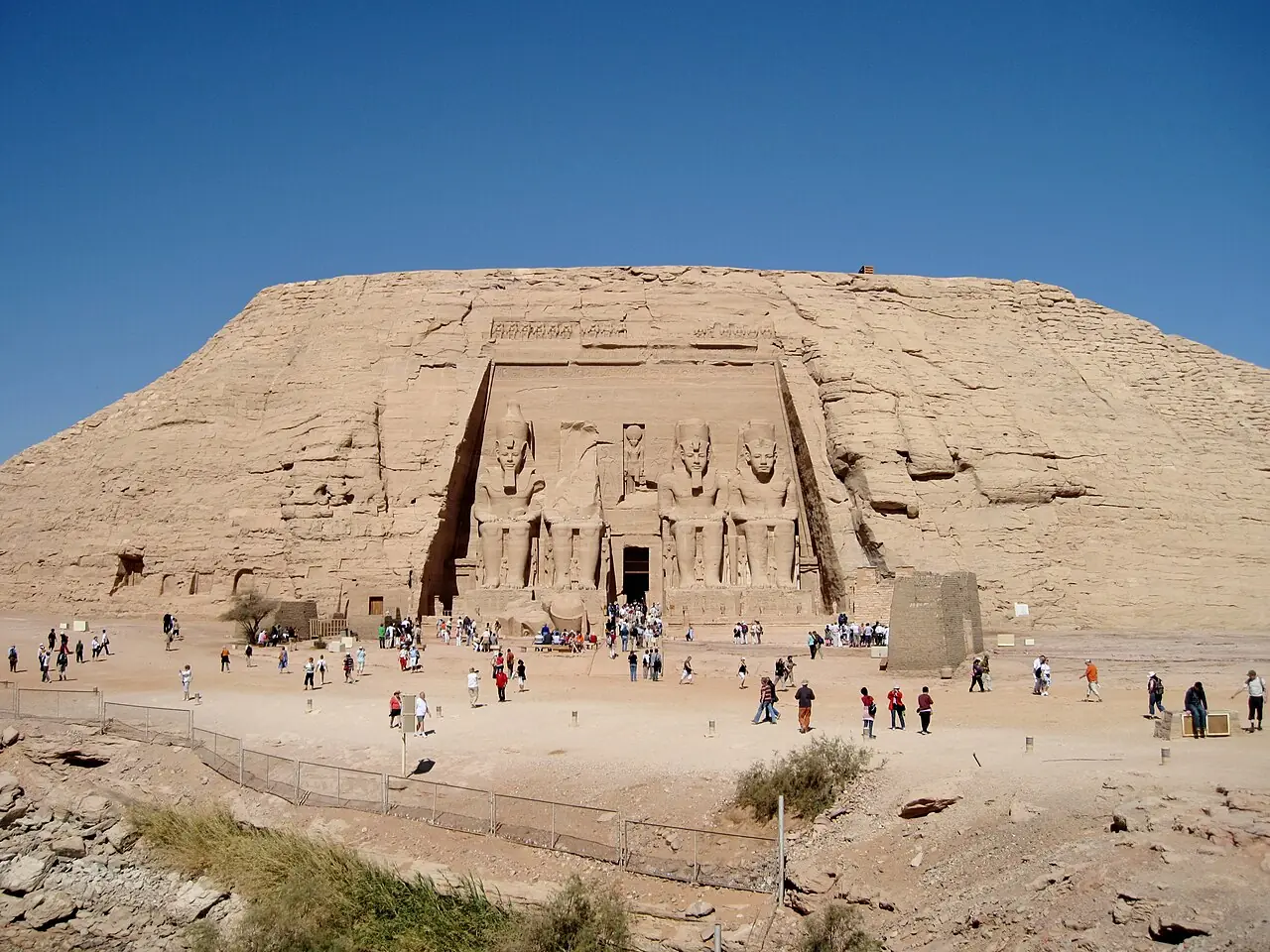 Photo: Olaf Tausch · CC BY 3.0
Published by Adama Doumbia, founder of Afrique Unie · updated 28 November 2026 · our method and sources
Why go
On the edge of Egypt, near the Sudanese border, Ramesses II had two monumental temples carved into the sandstone cliff. The Great Temple is guarded by four seated colossi of the pharaoh, some twenty metres high; the Small Temple, dedicated to the goddess Hathor and to Queen Nefertari, his favourite wife, is adorned with statues of the queen and the king. Inside, the halls reach deep into the rock, decorated with reliefs depicting, among other things, the Battle of Kadesh.
In the 1960s, the building of the Aswan High Dam threatened to submerge the temples beneath the waters of Lake Nasser. An international campaign led by UNESCO made it possible to cut them into blocks and reassemble them a little higher up, on an artificial hill. This spectacular operation inspired the creation of the World Heritage List.
Getting there
Abu Simbel is about 280 kilometres south of Aswan, roughly three and a half hours' drive across the desert. Most visitors leave Aswan before dawn by car or minibus. There are also flights from Aswan to Abu Simbel. Some Lake Nasser cruises stop here.
Frequently asked questions
Do you have to leave in the middle of the night to reach Abu Simbel from Aswan?
Road excursions usually do, often leaving Aswan around 4 or 5 a.m. to arrive before the heat, but the UK government advises against driving outside main cities and resorts at night and the French government strongly advises against any night-time road travel outside towns, even by coach. The drive takes about three and a half hours across the desert, with police checkpoints along the way. Flying from Aswan or staying overnight in Abu Simbel avoids the night-time drive.
How long does it take to visit the Abu Simbel temples?
Allow about two hours for both temples, which is the time most day trips give you. The Great Temple of Ramesses II and the small temple of Hathor and Nefertari are visited one after the other. Allow longer if you stay overnight, to see the site again in peace or catch the evening sound and light show.
What is the Sun Festival at Abu Simbel?
Twice a year, around 22 February and 22 October, the rays of the rising sun reach the back of the Great Temple and light up the statues in the sanctuary. The effect, intended by the builders, has shifted by about a day since the temples were moved. It draws huge crowds, so arrive very early and expect to queue.
Were the Abu Simbel temples really moved?
Yes, in the 1960s, to save them from the rising waters of Lake Nasser created by the Aswan High Dam. In an international campaign led with UNESCO, they were cut into blocks and reassembled higher up on an artificial hill. The work was so well done that most visitors never notice.
What should you take on a trip to Abu Simbel?
Water, a hat, sunglasses and sun cream, as the forecourt in front of the temples is very exposed. A snack and a warm layer are useful for the pre-dawn start, as desert nights are cool in winter. Keep your passport with you for the road checkpoints.
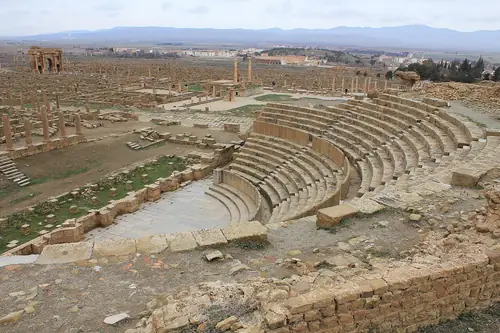
 Algeria
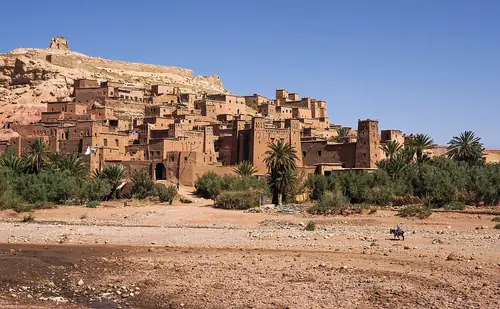
 Morocco
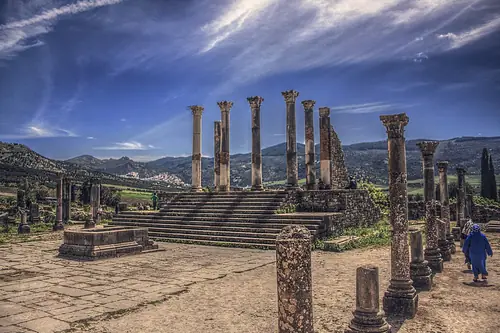
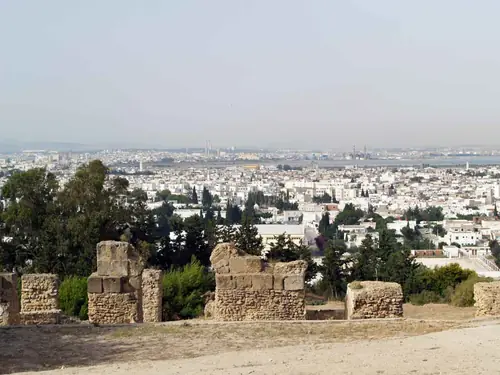
 Tunisia