 AfriqueUnie
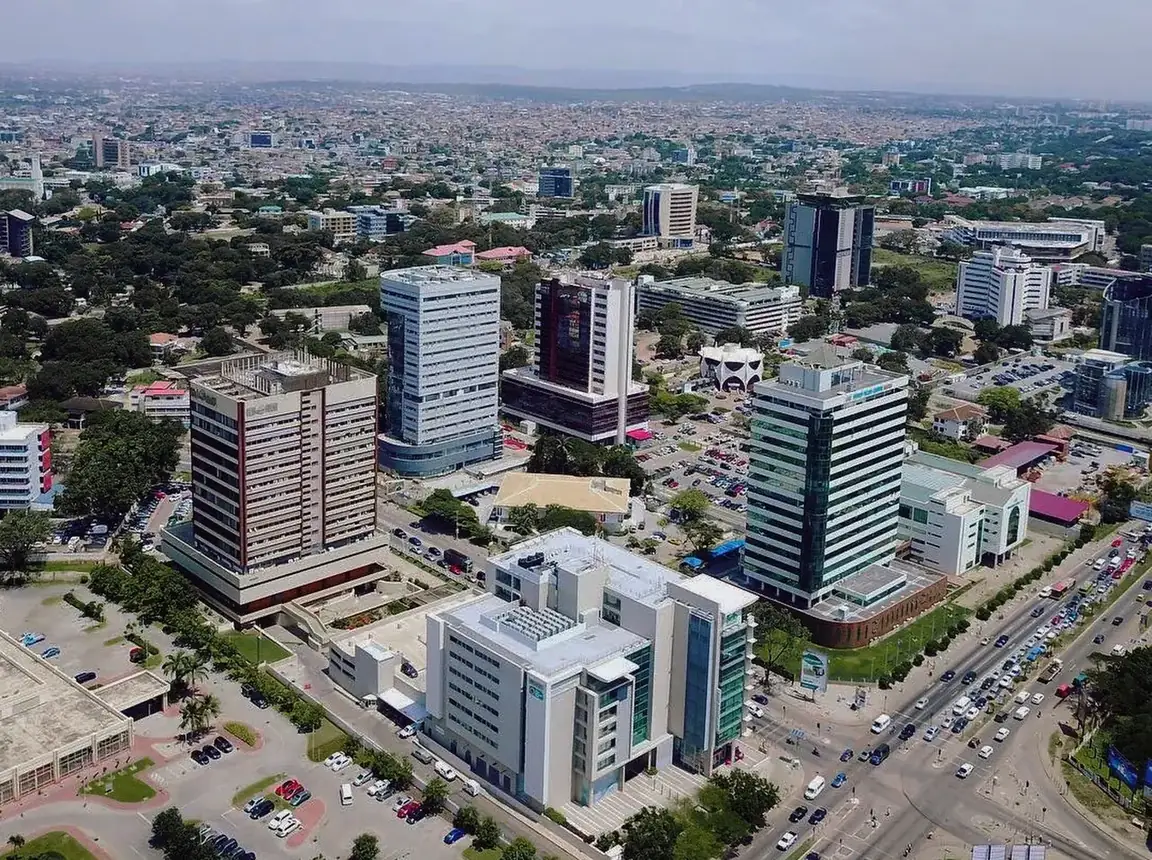 Photo: Amoat7 · CC BY-SA 4.0
Published by Adama Doumbia, founder of Afrique Unie · updated 16 November 2026 · our method and sources
- Distance
- about 550 km (340 miles)
- Bus journey
- 10 to 14 hours by bus, including the border wait
- Border crossing
- Noé (Côte d'Ivoire) – Elubo (Ghana)
- Border opening hours
- 6am to 6pm, according to France Diplomatie
- Currencies
- CFA franc (XOF), then Ghanaian cedi (GHS)
- Best time to go
- December to March, in the dry season
The route and how to travel
The road follows the coast eastwards. From Abidjan it runs through Grand-Bassam, Bonoua and Aboisso to the border at Noé, then crosses south-western Ghana via Elubo, Takoradi and Cape Coast to Accra. The journey covers about 550 km, mostly on tarmac, with some rough stretches, roadworks and plenty of police checkpoints.
Scheduled coaches run directly between the two cities, usually leaving early in the morning. This is the easiest option, as you keep the same vehicle and your luggage on both sides of the border. Allow 10 to 14 hours depending on traffic leaving Abidjan and entering Accra, and on the time spent at the border, which ranges from under an hour to several hours on busy days.
You can also travel in stages: a minibus or bush taxi to Noé, the border on foot, then a minibus (a Ghanaian trotro) from Elubo to Takoradi and Accra. It is more flexible but slower and more tiring. If you drive, you will need the vehicle documents and the ECOWAS Brown Card, the third-party insurance recognised across the region.
Crossing the border
The main crossing is at Noé on the Ivorian side and Elubo on the Ghanaian side, on either bank of the Tano River. There are two sets of formalities: exit from Côte d'Ivoire at Noé (police and customs), then entry into Ghana at Elubo (immigration, health check and customs).
According to France Diplomatie, the border posts between Ghana and Côte d'Ivoire are open from 6am to 6pm. Arrive by early afternoon at the latest so that you are not stuck at the border after dark. Ghana has stepped up Ebola screening at its entry points (GOV.UK): expect a temperature check and a few questions about where you have been.
France Diplomatie advises travellers to keep a close eye on their documents and luggage at Ghana's border posts. Keep your passport on you, only accept help from uniformed officers and ask for a receipt for any official payment.
Documents you need
Ivorians, Ghanaians and other ECOWAS citizens can enter without a visa for up to 90 days, through an official border post, with a valid travel document and an international vaccination certificate, as set out in the 1979 Protocol on free movement. A passport is the safest document, as national ID cards are not accepted everywhere in the same way. Citizens of Mali, Burkina Faso and Niger keep free movement for now, which ECOWAS asked member states to maintain after the three countries left in January 2025.
With another African passport, the rules vary by country. Since 25 May 2026, Ghana has issued a free e-visa, applied for online before travel, to African passport holders who need a visa for tourism or business. Côte d'Ivoire requires a visa from many travellers from outside ECOWAS, and its e-visa is collected on arrival at Abidjan airport (GOV.UK): if you are entering Côte d'Ivoire by road, ask the Ivorian embassy how to get your visa.
European and North American travellers need a visa for both countries, to be arranged before travel, as Ghana does not issue visas at the Elubo border. Our visa pages explain the rules passport by passport.
Vaccinations and health checks
A yellow fever vaccination certificate is required to enter both Côte d'Ivoire and Ghana (GOV.UK). It is checked at the border, so carry the original with your passport, not just a photo of it.
Money and exchange
The CFA franc (XOF) is not accepted in Ghana, where everything is paid in cedis (GHS). Money changers work on both sides of the border: only change what you need for the first few hours, count the notes before handing over yours, and change the rest in Accra at a bank or licensed bureau, or use an ATM.
Ghana requires you to declare foreign currency in cash on arrival, using the form provided at entry (GOV.UK).
Road safety and security
No part of this coastal route lies in an area that the French or British governments advise against: the areas to avoid are in the north of both countries, near Burkina Faso and Mali. The real danger is the road itself.
France Diplomatie describes night driving in Ghana as particularly dangerous and advises against it entirely; it also reports occasional armed attacks on buses and cars after dark, including on main roads. In Côte d'Ivoire, the UK government warns about fake roadblocks set up by armed bandits, mostly on secondary roads. Leave early, arrive in daylight and stick to the main road.
When to travel
The dry season, from December to March, is the most comfortable time to travel, although the harmattan wind sometimes leaves the sky hazy. Heavy rain falls mainly from May to July, with a second, shorter rainy season in October and November: expect flooded roads, slowdowns and longer journeys than planned.
Before the end-of-year holidays, Easter and Eid al-Adha (Tabaski), coaches fill up quickly and border queues get longer: book your seat the day before and leave as early as possible.
Rules checked in November 2026 with: CEDEAO, protocole de 1979 sur la libre circulation · France Diplomatie, Ghana : entrée et séjour · France Diplomatie, Ghana : sécurité · France Diplomatie, Côte d'Ivoire : sécurité · GOV.UK, Ghana entry requirements · GOV.UK, Côte d'Ivoire entry requirements · GOV.UK, Côte d'Ivoire safety and security · Graphic Online, e-visa gratuit du Ghana pour les passeports africains (mai 2026) · CEDEAO, communiqué sur le retrait du Burkina Faso, du Mali et du Niger (janvier 2025). Distances and times are rounded estimates that vary with traffic and the border wait. Entry rules change often: check them before you go with the authorities or embassy of the country you are entering.
Plan your trip
- Our Abidjan guide (Côte d'Ivoire)
- Our Accra guide (Ghana)
- Our Côte d'Ivoire guide · Côte d'Ivoire visa by passport
- Our Ghana guide · Ghana visa by passport
- Africa visas with a Ivorian passport
- Between African countries
- CFA franc: the 14 countries
- Yellow fever and malaria: the rules country by country
- Africa visa requirements country by country
Frequently asked questions
How long does the bus from Abidjan to Accra take?
Allow 10 to 14 hours for about 550 km on a direct coach. The time depends mostly on traffic leaving Abidjan and entering Accra and on the wait at the Noé–Elubo border, which ranges from under an hour to several hours on busy days.
Do I need a visa to travel from Abidjan to Accra?
Not if you are an ECOWAS citizen: you can enter Ghana visa-free for 90 days with a valid travel document and a yellow fever certificate. Other African passport holders can apply online for a free Ghanaian e-visa, available since 25 May 2026. Europeans need a visa for both countries, obtained before travel.
What are the opening hours of the Noé–Elubo border?
According to France Diplomatie, the border posts between Ghana and Côte d'Ivoire are open from 6am to 6pm. Arrive by early afternoon at the latest to leave time for formalities on both sides.
Can I pay in CFA francs in Ghana?
No. Ghana uses the cedi (GHS). Change a small amount with the money changers at the border, counting the notes carefully, then change the rest in Accra at a bank or licensed bureau.