 AfriqueUnie
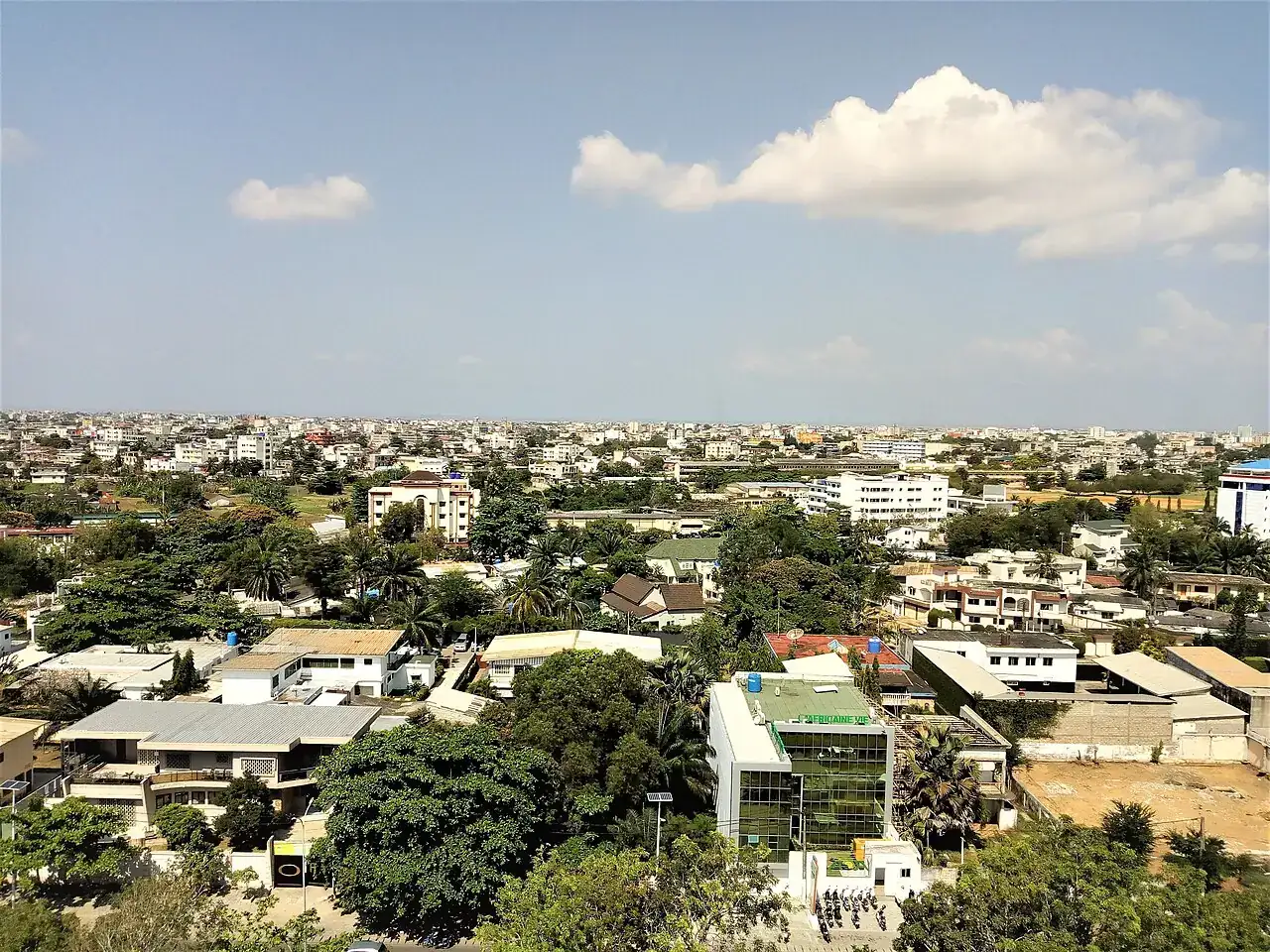 Photo: Adoscam · CC BY-SA 4.0
Published by Adama Doumbia, founder of Afrique Unie · updated 16 November 2026 · our method and sources
- Distance
- about 280 km (155 km from Lomé to Cotonou, 120 km from Cotonou to Lagos)
- Bus journey
- 7 to 12 hours from Lomé to Lagos by bus (3 to 5 hours to Cotonou, 3 to 6 hours from Cotonou to Lagos), including border waits
- Border crossing
- Sanvee Condji (Togo) – Hilacondji (Benin), then Krake (Benin) – Seme (Nigeria)
- Border opening hours
- not published by any official source we checked: cross in daylight
- Currencies
- CFA franc (XOF) in Togo and Benin, naira (NGN) in Nigeria
- Best time to go
- November to March, in the dry season
The route and how to travel
From Lomé, the coast road runs through Aného and crosses into Benin at Hilacondji, then continues via Grand-Popo and Ouidah to Cotonou, about 155 km away. From Cotonou, you reach the Nigerian border at Krake and Seme, then Lagos via Badagry and the expressway, about 120 km further on.
Scheduled coaches run the whole way from Lomé to Lagos, stopping in Cotonou; others terminate in Cotonou. Between Lomé and Cotonou, shared taxis and minibuses leave when they are full. On the Nigerian side, minibuses link the Seme border with central Lagos, but a through coach saves you changing vehicles with your luggage.
Allow 3 to 5 hours from Lomé to Cotonou and 3 to 6 hours from Cotonou to Lagos. The second leg is the least predictable, with many checkpoints on the Nigerian side and heavy congestion entering Lagos, where the drive to the centre alone can take several hours.
Crossing the border
Between Togo and Benin, the border post is at Sanvee Condji on the Togolese side and Hilacondji on the Beninese side. Between Benin and Nigeria, it is at Krake on the Beninese side and Seme on the Nigerian side, on the Badagry road: this is the main crossing between the two countries. We could not find opening hours published by an official source for either post, so plan to cross during the day.
Before crossing by land between Benin and Nigeria, the UK government advises checking with the authorities that your crossing point is open and what the current entry and exit requirements are. Nigeria carries out enhanced Ebola screening at its entry points and may ask foreigners for landing and departure cards, including at land borders (GOV.UK).
Documents you need
Togo, Benin and Nigeria are ECOWAS members: their citizens and those of other member states can enter without a visa for up to 90 days, through an official post, with a valid travel document and an international vaccination certificate. For Nigeria, a passport is strongly recommended.
According to the Beninese government, Benin admits citizens of every African country without a visa for 90 days, and since 18 May 2026 Togo has exempted African passports from visas for 30 days, with prior registration on the official voyage.gouv.tg portal. Nigeria, on the other hand, requires a visa from travellers from outside ECOWAS, to be obtained online before travel: visas on arrival are no longer available (GOV.UK).
European travellers need a visa for each of the three countries. Note that, according to the UK government, you cannot get visas for Nigeria, Ghana or Togo in Benin. Apply for all of them before you leave, and see our visa pages for each country.
Vaccinations and health checks
All three countries require a yellow fever vaccination certificate (GOV.UK). It is often checked at the borders on this route, so keep the original with your passport.
Money and exchange
Togo and Benin share the CFA franc (XOF), so there is no need to change money between Lomé and Cotonou. In Nigeria, everything is paid in naira (NGN). Exchange rates from the money changers at Seme vary: only change enough to pay for transport to Lagos, count the notes and do not bring out a thick wad of cash in public.
In Lagos, the UK government warns that criminals target people withdrawing cash from banks and ATMs: withdraw money during the day, somewhere busy.
Road safety and security
The coast road does not cross any area the French or British governments advise against. France Diplomatie places southern Togo and Benin in its heightened vigilance category, as well as Lagos State, which includes the Seme border and Badagry. Neighbouring Ogun State, however, is advised against except for essential travel by France Diplomatie, apart from the city of Abeokuta: do not detour inland, and avoid the roads of northern Benin, parts of which are advised against.
In Nigeria, the UK government says violent crime such as mugging, kidnapping and car-jacking is common in the larger cities, particularly on the Lagos mainland, and that risks are higher at night; the Nigerian authorities themselves warn about night-time road travel. In Togo and Benin, France Diplomatie also advises against driving after dark. Plan your journey so that you arrive in Lagos in full daylight.
When to travel
The dry season, from November to March, is the best time. Rain falls mainly from April to July, then in September and October: in Lagos, storms quickly cause flooding and even longer traffic jams.
In December, Detty December draws crowds of visitors to Lagos, many of them from the diaspora: coaches are full and the Seme border is very busy. Book early and leave at dawn.
Rules checked in November 2026 with: CEDEAO, protocole de 1979 sur la libre circulation · Gouvernement du Bénin, exemption de visa pour les ressortissants africains · France Diplomatie, Nigeria : sécurité · France Diplomatie, Bénin : sécurité · France Diplomatie, Togo : sécurité · GOV.UK, Nigeria entry requirements · GOV.UK, Nigeria safety and security · GOV.UK, Benin entry requirements · France Diplomatie, Togo : entrée et séjour. Distances and times are rounded estimates that vary with traffic and the border wait. Entry rules change often: check them before you go with the authorities or embassy of the country you are entering.
Plan your trip
- Our Lomé guide (Togo)
- Our Cotonou guide (Benin)
- Our Lagos guide (Nigeria)
- Our Togo guide · Togo visa by passport
- Our Benin guide · Benin visa by passport
- Our Nigeria guide · Nigeria visa by passport
- Between African countries
- CFA franc: the 14 countries
- Detty December
- Yellow fever and malaria: the rules country by country
- Africa visa requirements country by country
Frequently asked questions
How long does the bus from Lomé to Lagos take?
Allow 7 to 12 hours for about 280 km and two borders: 3 to 5 hours to Cotonou, then 3 to 6 hours to Lagos. The wait at Seme and the traffic entering Lagos make the biggest difference.
Which border do you cross between Benin and Nigeria on the way to Lagos?
The main crossing is Krake on the Beninese side and Seme on the Nigerian side, on the Badagry road. The UK government advises checking that it is open and what the current requirements are before you go.
Do I need a visa to enter Nigeria by road?
Not if you are an ECOWAS citizen: you can enter visa-free for 90 days. Other travellers, African or not, must get a Nigerian visa online before travel: it is no longer issued on arrival and cannot be obtained in Benin.
Do I need to change money between Lomé and Cotonou?
No. Togo and Benin both use the CFA franc (XOF). You only need to change money when you enter Nigeria, which uses the naira.