AfriqueUnie
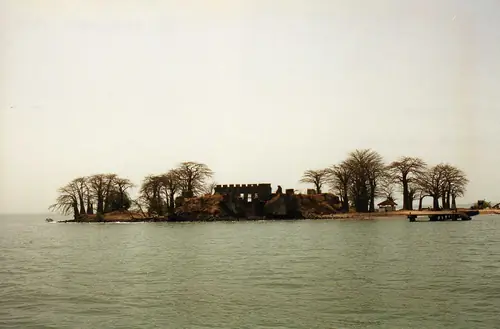
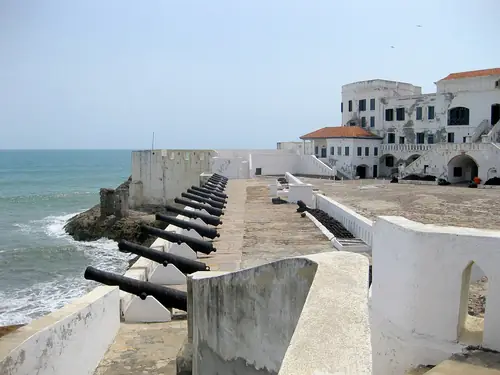
 Photo: Leonora (Ellie) Enking from East Preston, United Kingdom · CC BY-SA 2.0
Published by Adama Doumbia, founder of Afrique Unie · updated 28 November 2026 · our method and sources
What matters: the passport you travel on
At the border, the nationality of your travel document decides, not where your family comes from. A member of the diaspora travelling on a French, British or Canadian passport follows the rules for that passport: for those cases, see our Visa-free Africa guide and our country-by-country visa table. Dual nationals can sometimes enter on their African passport, provided they use it consistently on the way in and out.
Africa is opening up, but slowly. According to the 2025 Africa Visa Openness Report (African Development Bank and African Union), African citizens can travel without a visa in 28.2% of country-to-country cases, up from 20% in 2016. The African Union protocol on the free movement of persons, adopted in 2018, is still not in force: it has received only four of the fifteen ratifications it needs.
Rules change often, sometimes overnight, and depend on the exact passport (ordinary, service or diplomatic). Before every trip, check the official immigration website of your destination or its embassy.
ECOWAS: 90 days visa-free in West Africa
Under the 1979 free movement protocol, a citizen of an ECOWAS member state can enter the other member states without a visa and stay for up to 90 days. They must use an official border post and carry a valid travel document and an international vaccination certificate. Staying beyond 90 days requires permission from the host country's authorities.
Since Mali, Burkina Faso and Niger left in January 2025, ECOWAS has twelve members: Benin, Cape Verde, Côte d'Ivoire, The Gambia, Ghana, Guinea, Guinea-Bissau, Liberia, Nigeria, Senegal, Sierra Leone and Togo. A passport is the safest document; the ECOWAS national biometric identity card is meant to replace the old travel certificate, but it is not issued or accepted in the same way everywhere, so check before leaving without a passport.
The yellow fever vaccination certificate is one of the documents checked in the region. Keep the original with your passport: our yellow fever and malaria guide shows where it is required, country by country.
Mali, Burkina Faso and Niger: the situation since 2025
The withdrawal of Burkina Faso, Mali and Niger from ECOWAS took effect on 29 January 2025. That day, ECOWAS asked for the passports and identity cards bearing its logo held by citizens of the three countries to keep being recognised, and for those citizens to keep, until further notice, the visa-free movement, residence and establishment rights set out in its protocols.
For their part, the heads of state of the Alliance of Sahel States (AES) declared in December 2024 that their area would remain visa-free for ECOWAS nationals. A common AES passport was put into circulation from 29 January 2025, with issuance starting at different dates in each country, and older passports remain valid until they expire.
"Until further notice" means this arrangement could change, especially as ECOWAS–AES talks, including on free movement, opened in Dakar in October 2026: check with the embassy of your destination before travelling. Above all, France and the United Kingdom advise against all travel to Mali, Burkina Faso and Niger, and the UK government advises against leaving Mali by road to neighbouring countries.
East Africa: ID cards and the joint tourist visa
Within the East African Community (EAC), Kenya, Uganda and Rwanda accept their citizens' national identity cards as travel documents between the three countries. Kenyans can also get an Interstate Pass at the exit border post by showing their ID. Tanzania and Burundi, however, ask East Africans for a passport.
Permitted stays vary by host country: Rwanda gives EAC citizens six months without a visa, and Kenya up to 180 days to citizens of the partner states except Somalia.
For travellers who are not EAC citizens, the East Africa Tourist Visa covers Kenya, Uganda and Rwanda. It is valid for 90 days and allows multiple entries as long as you stay within the three countries; you apply to the country you enter first. Kenya requires a yellow fever vaccination certificate if you arrive from a country with a risk of transmission, and the vaccine remains recommended for the region. Tanzania is not part of it.
Central and Southern Africa: CEMAC and SADC
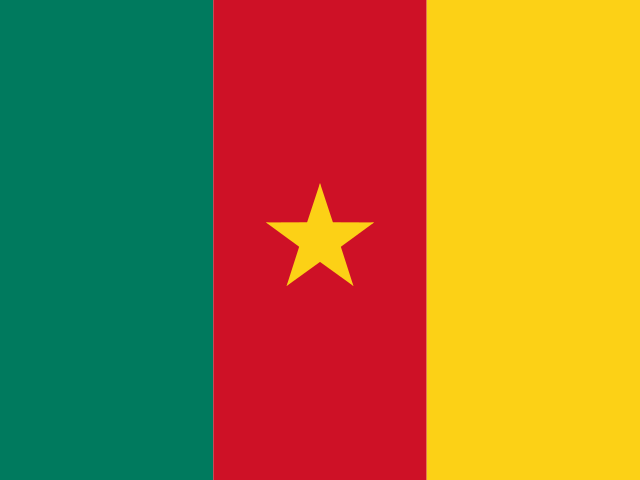
In CEMAC (Cameroon, Central African Republic, Chad, Congo, Equatorial Guinea, Gabon), free movement for nationals of member states has applied since 2017 to holders of a biometric passport. In practice, it is applied unevenly, especially on entry to Equatorial Guinea and Gabon. Travel with a valid biometric passport, the safest document: an ID card is not accepted everywhere.
In Southern Africa, the SADC Protocol on the Facilitation of Movement of Persons, signed in 2005, has not entered into force because too few states have ratified it. Visa exemptions, often for up to 90 days, rest on agreements between individual countries: they exist for many pairs of countries, but not all. Check the rule for your exact nationality and destination.
Countries that open their doors to all Africans
A handful of countries have chosen to welcome all, or almost all, African passports without a visa or without a visa fee, without waiting for reciprocity. The conditions below are those announced by each country's authorities, checked in November 2026; they may change.
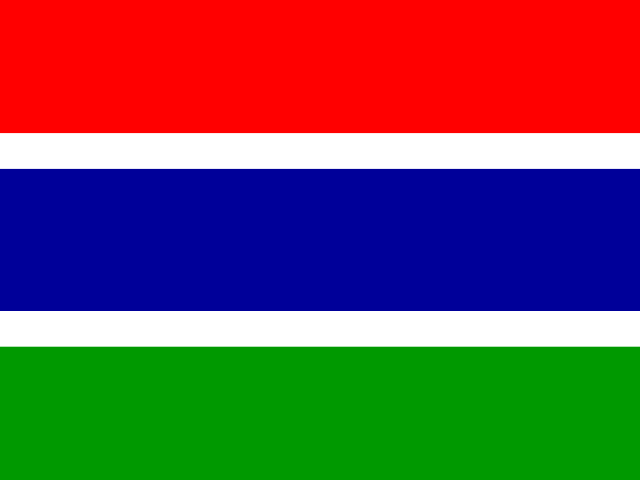
- The Gambia: Visa-free for citizens of every African country since 2020, according to the African Development Bank's 2025 report, which ranks it joint first with Rwanda.
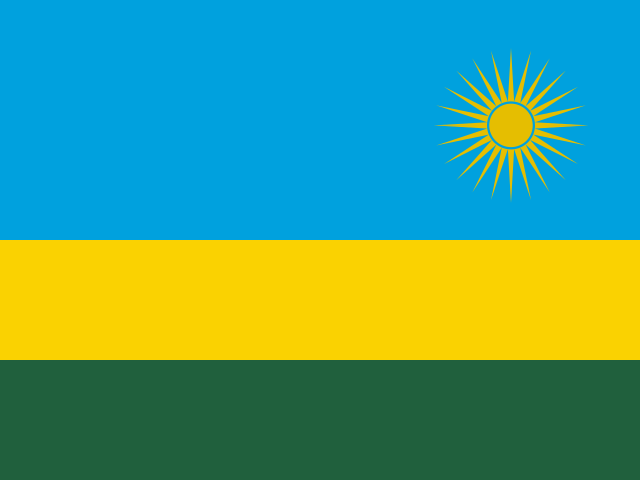
- Rwanda: Citizens of African Union member states enter without a visa or fee for a 30-day stay, according to Rwanda's Directorate General of Immigration and Emigration.
- Kenya: Since 2025, nationals of all African countries except Somalia and Libya are exempt from the electronic travel authorisation (eTA): 60 or 90 days depending on nationality, 180 days for EAC citizens.
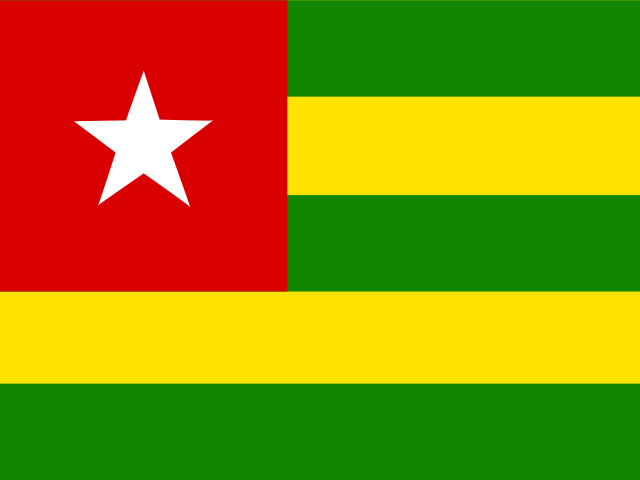
- Togo: Since 18 May 2026, African nationals with a valid passport can enter without a visa for up to 30 days, provided they complete a travel declaration on the official voyage.gouv.tg portal at least 24 hours before arrival.
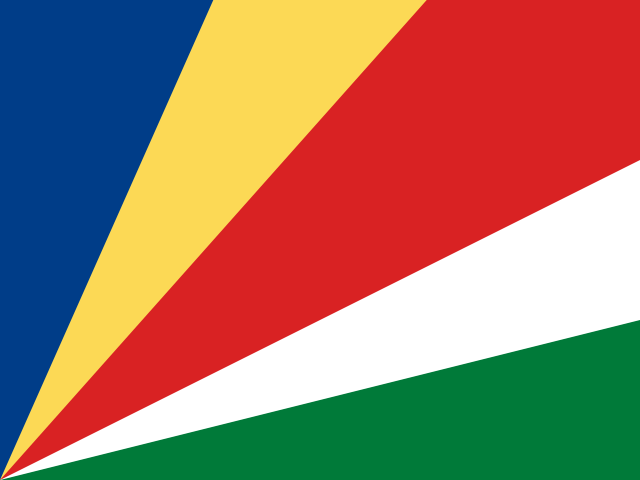
- Seychelles: No visa is required (only Kosovo passports are not accepted), but every traveller must obtain an online Travel Authorisation before departure.
- Ghana: Since 25 May 2026, African passport holders who need a visa for tourism or business apply online (e-visa) and pay no fee; visa on arrival has been abolished. Citizens of ECOWAS and of countries with a visa waiver agreement with Ghana remain visa-exempt. Check the current procedure on the Ghana Immigration Service website.
By air or by road: crossing from one country to another
Direct flights between neighbouring countries are still scarce on some routes, and many journeys go through a major hub: Addis Ababa with Ethiopian Airlines, Nairobi with Kenya Airways, Casablanca with Royal Air Maroc, Kigali with RwandAir, Johannesburg, Cairo, Lomé or Abidjan. A flight with a connection can be faster than the road, even between neighbours. If you change planes in a third country, check whether your passport needs a transit visa, especially if you must collect your bags or change airports.
By road, use official border posts only, with your passport or accepted ID, vaccination certificate and, where needed, a visa. Opening hours vary from post to post and many close at night: ask locally and plan to arrive early. Keep receipts for any official payment. Because of the Ebola outbreak centred in the DRC, declared a public health emergency of international concern by the WHO in May 2026, enhanced health screening is in place at the borders of several neighbouring countries, including Uganda and Kenya.
If you cross West Africa in your own vehicle, the ECOWAS Brown Card is the third-party motor insurance recognised at the region's borders, issued through insurers by the national Brown Card bureaux. It does not replace the vehicle documents required by customs. Its validity in Mali, Burkina Faso and Niger was suspended after they left ECOWAS: check with your insurer.
Money, phones and safety
The CFA franc is in fact two separate currencies: the West African CFA franc (XOF), issued by the BCEAO for the eight WAEMU countries (Benin, Burkina Faso, Côte d'Ivoire, Guinea-Bissau, Mali, Niger, Senegal, Togo), and the Central African CFA franc (XAF), issued by the BEAC for the six CEMAC countries. Both have the same fixed rate against the euro (1 euro = 655.957 CFA francs), but one zone's banknotes do not circulate in the other: change your money before moving from one zone to the other.
Roaming between African countries can be expensive: check with your mobile operator before you leave, or buy a local SIM card or an eSIM, as explained in our eSIM and mobile internet guide.
France and the United Kingdom advise against travel to some border areas: all of Mali, Burkina Faso and Niger, but also several border areas of their neighbours, such as northern Benin, Togo's border strip with Burkina Faso, northern Côte d'Ivoire near Burkina Faso and Mali, and eastern Mauritania. The same applies to many of Chad's and Cameroon's borders and to northern Nigeria. Read the UK government's and France Diplomatie's travel advice for every country you cross, not just your final destination.