AfriqueUnie
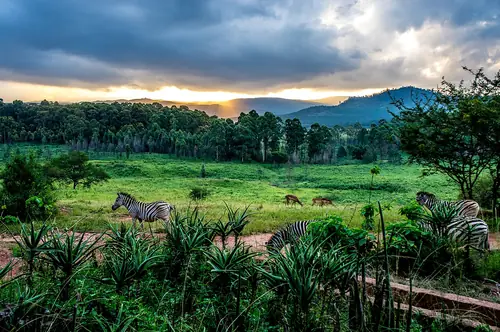
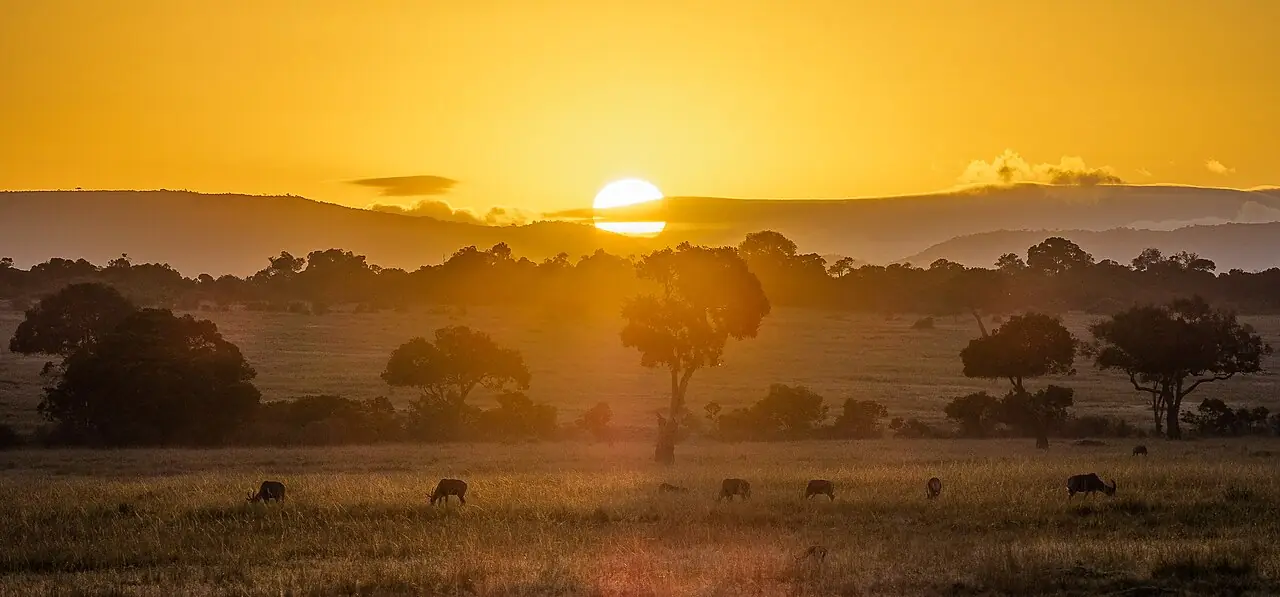 Photo: Danijel Mihajlovic · CC BY-SA 4.0
Published by Adama Doumbia, founder of Afrique Unie · updated 28 November 2026 · our method and sources
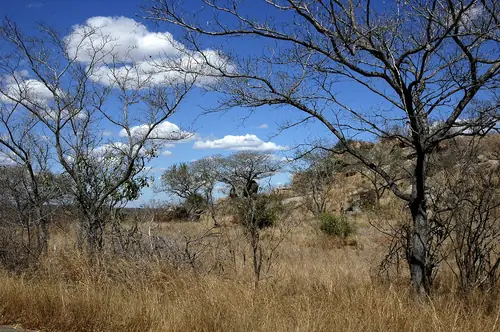
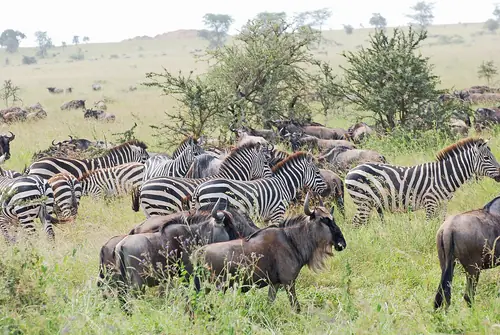
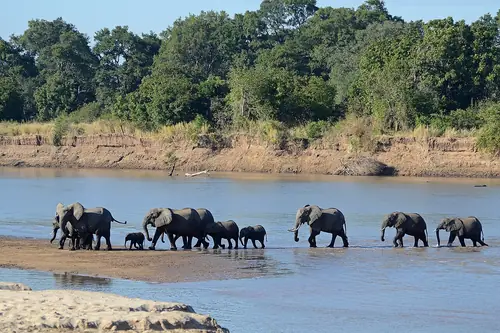
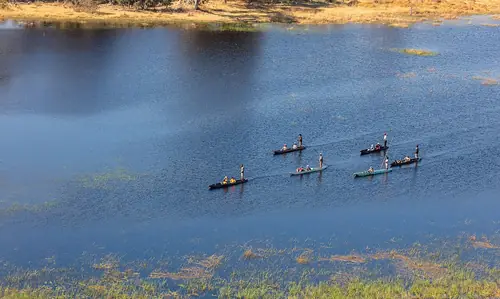
July is the peak of the safari season. In both East and southern Africa the dry season is well established: the grass turns yellow, waterholes become scarce and animals gather around them. In Kenya, the great herds of wildebeest and zebra usually reach the Maasai Mara from July, although the timing varies with the rains. In Botswana, water from the Angolan highlands reaches its highest level in the Okavango Delta just as the rest of the country is at its driest. In South Africa, winter brings cold mornings but excellent visibility in Kruger National Park.
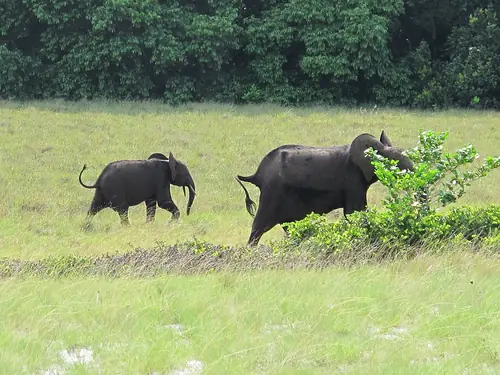
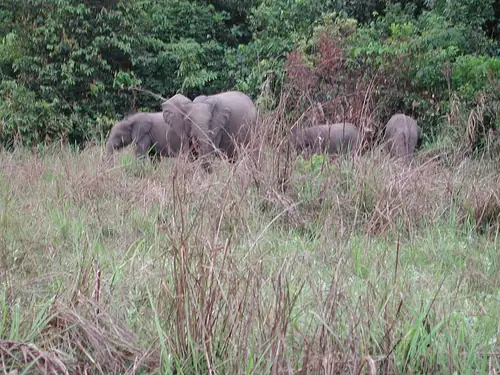
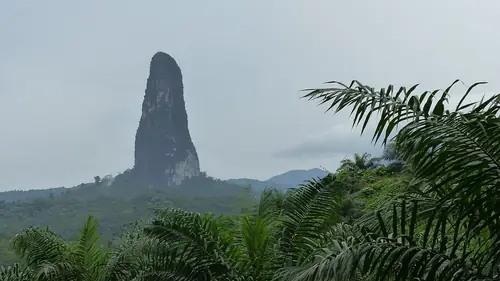
In North Africa it is high summer. The Mediterranean coast draws holidaymakers and the Carthage International Festival fills the ancient theatre in July and August, but the interior and the Sahara are scorching; only the Atlantic coast, from Rabat to Essaouira, is kept mild by the ocean. In West Africa the rainy season, known as hivernage in Senegal, settles over most of the region, bringing humid heat and storms. In Central Africa, Gabon, the Republic of the Congo and São Tomé and Príncipe are in their dry season.
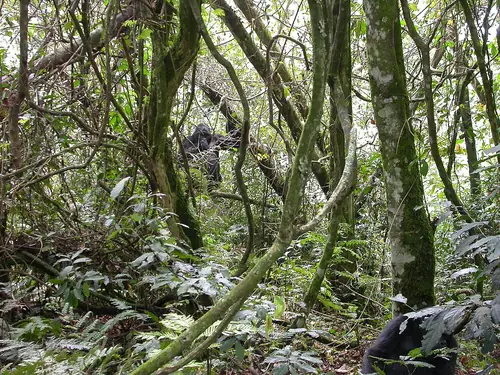
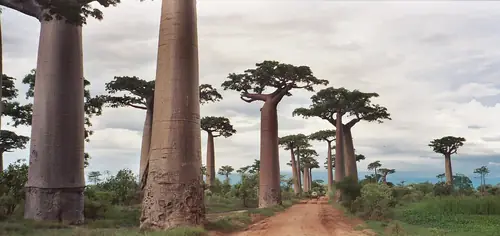
In the Indian Ocean, the southern winter brings dry, cool weather to the highlands of Madagascar, and humpback whales usually arrive in the channel off Île Sainte-Marie between July and September. European school holidays make July one of the busiest months: flights, gorilla permits and safari camps often need to be booked six months to a year ahead, especially smaller places. If your dates are fixed, consider less famous parks, which are often just as rewarding and much quieter.
 Kenya
 Madagascar
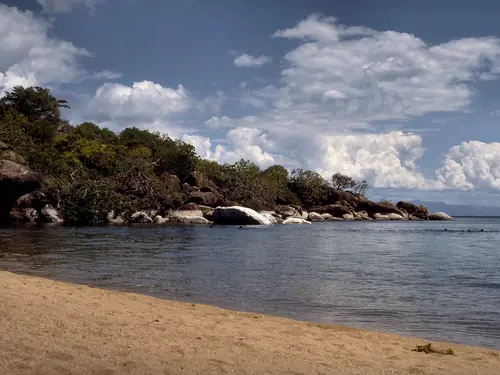
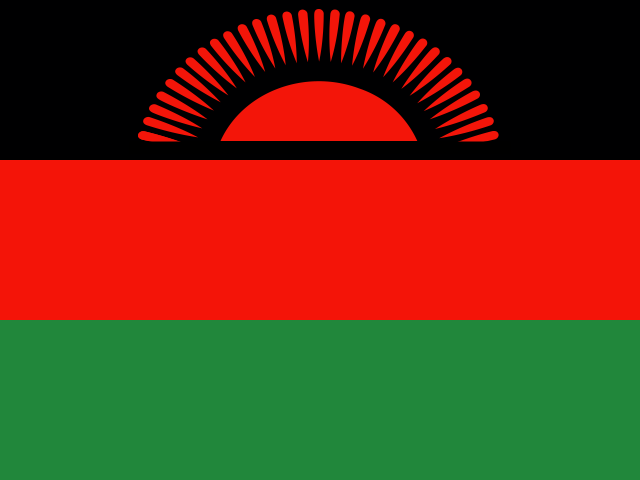 Malawi
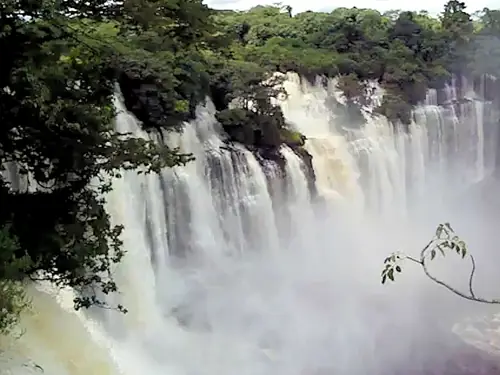
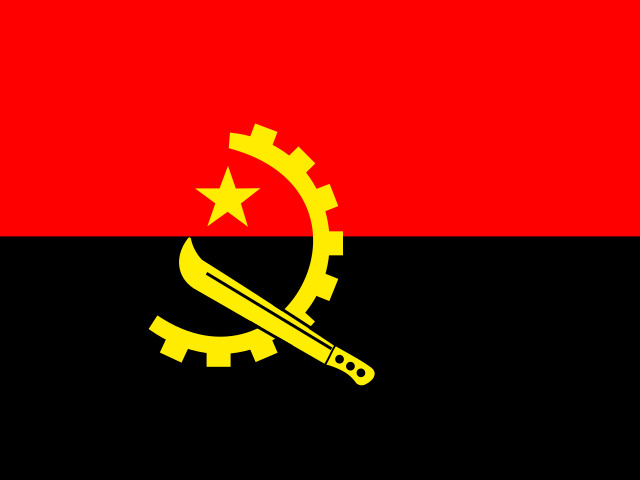 Angola
 Namibia
 Botswana
 Senegal
 Algeria
 Tunisia
 Morocco
 Ghana