AfriqueUnie
 Photo: Amada44 · Public domain
Published by Adama Doumbia, founder of Afrique Unie · updated 28 November 2026 · our method and sources
Choosing your race: distance, terrain and season
Africa offers every kind of running event: certified city marathons, festive half marathons, road ultramarathons, multi-stage desert races, mountain races and marathons laid out inside wildlife reserves.
For a first trip, a city marathon or half marathon (Marrakech, Nairobi, Moshi) is the simplest option: a marked course, regular aid stations and easy accommodation. Adventure events such as the Marathon des Sables or the Lewa marathon are better suited to experienced runners who can cope with heat, dirt tracks and sometimes altitude.
Timing matters too. Most races are held at a fairly stable time of year, but exact dates change: always check the race's official website before booking flights.
Ultras and adventure races
- Comrades Marathon (South Africa): Founded in 1921 by Vic Clapham, a First World War veteran, to honour fallen soldiers, this is the world's oldest and largest ultramarathon. Around 87 to 90 kilometres of road between Durban and Pietermaritzburg in KwaZulu-Natal, with the direction alternating every year: the uphill "up run" from Durban and the "down run" from Pietermaritzburg. The race is usually held in June. Expert level: you must qualify on an official marathon (in under five hours under recent rules), beat several cut-offs and finish within twelve hours.
- Two Oceans Marathon (Cape Town, South Africa): Held since 1970, it offers a 56-kilometre ultramarathon, run on a Saturday in April, and a 21-kilometre half marathon the following day. The ultra loops around the Cape Peninsula via Muizenberg, Fish Hoek, Chapman's Peak and Hout Bay, finishing on the University of Cape Town campus. Level: experienced for the ultra, accessible for the half. Both races often sell out, so enter as soon as registration opens.
- Marathon des Sables (Morocco): First held in 1986 in the Moroccan Sahara, on the initiative of Frenchman Patrick Bauer, the flagship event (now called MDS Legendary) covers around 250 kilometres in six stages, self-sufficient in food: each runner carries their own food and kit, while the organisers provide water and the bivouac. Expert level for the long format. Tip: train for months with a loaded pack and test your freeze-dried food before you go.
- Big Five Marathon (South Africa): Run since 2005 in the private Entabeni reserve in Limpopo province, between Johannesburg and Kruger National Park, this marathon crosses the territory of lions, elephants and rhinos. The course is watched over by armed rangers and a helicopter. It is usually held in June, in the southern winter, but the sun is fierce on the open savannah and the climbing is considerable. Level: experienced, on dirt tracks and hills.
- Lewa Safari Marathon (Kenya): Long known as the Safaricom Marathon, it has been run since 2000 in the Lewa Wildlife Conservancy, north of Nairobi, usually in June. Two loops of about 21 kilometres on dirt tracks, at around 1,700 metres, with no fences between runners and wildlife: safety is handled by the organisers. A half marathon is also offered. Level: experienced, because of the heat, altitude and terrain.
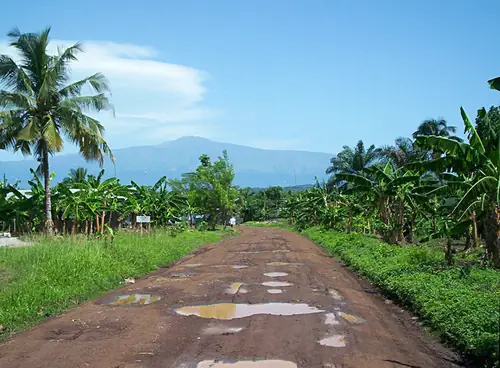
- Mount Cameroon Race of Hope (Cameroon): Held since 1973 and known as the Race of Hope since 1996, this mountain race starts in Buea, climbs to the summit of Mount Cameroon, at over 4,000 metres, and comes back down: about forty kilometres of extreme ascent and descent, in January or February. Level: highly trained mountain runners. Warning: Buea lies in the South-West Region, affected by the Anglophone crisis, and several governments advise against travel there (at the time of writing, the UK advises against all travel to this region, Buea included, and France advises against visiting Mount Cameroon). Always check your government's travel advice before considering this race.
City marathons and mass-participation races
- Marrakech International Marathon (Morocco): Run through the streets of Marrakech since 1987 over the official 42.195 kilometres, this is Morocco's best-known marathon. It is usually held in January, so you run in cool winter sunshine, with the snow-capped Atlas on the horizon on clear days. Level: accessible to any well-prepared marathoner, on a fairly flat course.
- Kilimanjaro Marathon (Moshi, Tanzania): Held in Moshi since 2002, at the foot of Kilimanjaro, it usually takes place in late February or early March. It includes a marathon, a very popular half marathon and a 5-kilometre fun run. Level: accessible, but the heat and hills make it tougher than a European marathon.
- Nairobi Marathon (Kenya): Founded in 2003 and usually held in October, it offers a marathon and a half marathon. Since 2021, the race has started on the Southern Bypass near the Carnivore Grounds and finished at Uhuru Gardens. Nairobi lies at more than 1,600 metres, so allow a few days to adjust. Level: accessible for the half, experienced for the marathon.
- Lagos Marathon (Nigeria): Known as the Access Bank Lagos City Marathon, it is usually held in February. The course starts at the National Stadium in Surulere, crosses the Third Mainland Bridge and finishes at Eko Atlantic, by the ocean. A 10-kilometre race is also offered for recreational runners. Level: accessible, but the humid heat is very demanding.
- Great Ethiopian Run (Addis Ababa, Ethiopia): Dreamt up in late 2000 by champion Haile Gebrselassie and two of his neighbours, and first run in 2001, this 10-kilometre race has become the biggest road race in Africa, with tens of thousands of participants. It is usually held in late November, at around 2,400 metres, alongside a women-only 5-kilometre race. Level: open to all, in a carnival atmosphere.
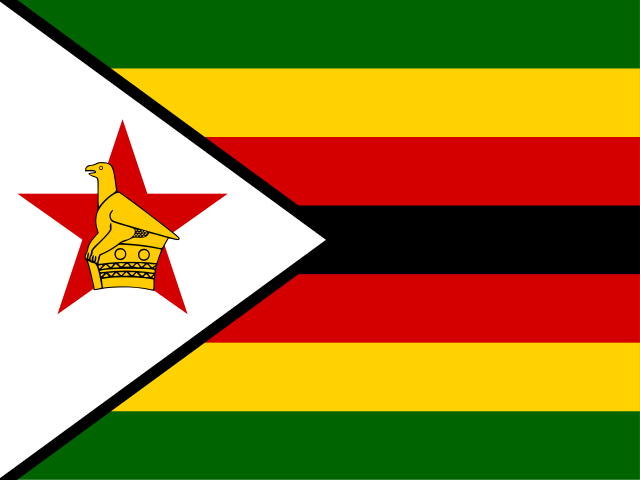
- Other events: Other races also attract international runners, such as the Abidjan International Marathon in Côte d'Ivoire or the Victoria Falls Marathon in Zimbabwe. Their dates and formats vary more from year to year: check directly with the organisers before planning a trip around one of them.
Iten and Ethiopia: running with the champions
Iten, a small town in western Kenya perched at around 2,400 metres on the edge of the Rift Valley, has become a place of pilgrimage for runners from all over the world. Thousands of athletes, Kenyan and foreign, train there every day on red-earth trails. St Patrick's High School has produced many champions under the guidance of Irish Brother Colm O'Connell, who arrived in 1976 and never left.
Several high-altitude training centres welcome amateur runners for camps of a few weeks: simple accommodation, suitable meals and group runs at dawn. Most people travel via Eldoret, about an hour's drive away.
Ethiopia offers a similar experience on its highlands, around Addis Ababa or in the Arsi region, home of Haile Gebrselassie and Kenenisa Bekele, worthy heirs to Abebe Bikila.
Training and acclimatising: heat and altitude
Two factors change everything when running in Africa: heat and altitude. Nairobi, Addis Ababa, Iten and the Lewa conservancy sit between roughly 1,600 and 2,400 metres. At these heights the air holds less oxygen, your heart beats faster at the same pace and your times suffer. Allow one to two weeks for proper adaptation; if you can only arrive a few days before, accept running more slowly and start cautiously.
Heat acclimatisation generally takes around ten days. In the weeks before you leave, you can do a few runs in the warmest part of the day, well covered, or indoors, to get your body used to sweating more.
For an ultramarathon such as the Comrades or the Marathon des Sables, preparation is measured in months, not weeks. Follow a progressive plan, test your kit and nutrition on long runs, and see a sports doctor if you have never run beyond marathon distance. Before any trip, also check your vaccinations and malaria prevention with a travel health clinic.
Travelling to race: entry and logistics
- Enter on the official website: Always register through the race's official website: that is where dates, entry conditions, cut-offs and rules are published. The big events (Comrades, Two Oceans, Great Ethiopian Run) fill up fast, so watch for registration opening.
- Medical certificate and qualification: Some races require a medical certificate, sometimes an ECG for ultras, or proof of qualification (a marathon run within a set time for the Comrades). Read the rules several months ahead so you have time to gather the documents.
- Arrive a few days early: Allow at least three or four days on the ground before a race at low altitude, and more at altitude. Time to recover from the journey, adjust to the climate and collect your race number.
- Visa, health and safety: Check the entry requirements for your nationality and read your government's travel advice, especially for Cameroon and Nigeria. Take out travel insurance that covers sport and repatriation.
- Luggage: Keep your running shoes, kit and gels in your hand luggage: if your suitcase goes missing, you can still start. Pack a cap, sunglasses, sunscreen and oral rehydration salts.
Running in the heat: hydration and timing
At most African races the gun goes at dawn, sometimes before sunrise, to make the most of the cool hours. Follow the same rhythm during your stay: run early in the morning or late in the day, never at midday.
Drink regularly, in small sips, before you feel thirsty, and add electrolyte drinks or tablets to replace the salt lost in sweat. Conversely, drinking large amounts of plain water without salt can also be dangerous: follow a strategy you have tested in training.
Finally, review your time goals: in strong heat, slowing by several seconds per kilometre is normal. Headache, chills, nausea or confusion are warning signs of heatstroke: stop, get into the shade and alert the race medical team.
Combining a race with a holiday
- Kilimanjaro Marathon and northern Tanzania: After the race, head off on safari to the Ngorongoro Crater or the Serengeti.
- Comrades or Two Oceans and South Africa: Cape Town is perfect for a stay after the Two Oceans: Table Mountain, the winelands, the Cape of Good Hope. After the Comrades, enjoy Durban's beaches, the Drakensberg or the parks of KwaZulu-Natal.
- Lewa, Nairobi and Iten: The Lewa marathon pairs naturally with a safari in northern Kenya or the Masai Mara. A training camp in Iten followed by the Nairobi Marathon in October means you arrive acclimatised on race day.
- Marrakech and the Marathon des Sables: After the Marrakech marathon, explore the medina, the Ourika Valley or the Agafay desert. For the Marathon des Sables, plan a few days' rest in Ouarzazate or Marrakech after the finish.
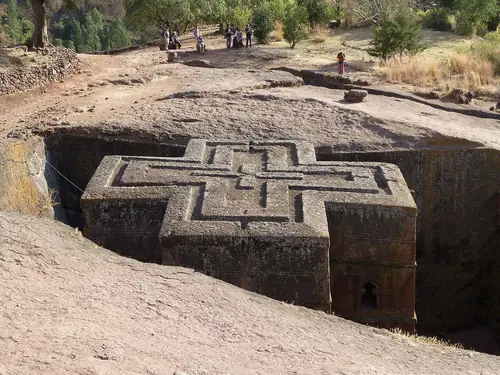
- Addis Ababa and Ethiopia: The Great Ethiopian Run combines well with Lalibela's churches, Gondar's castles or the Simien Mountains, provided you first check the safety advice for each region.