 AfriqueUnie
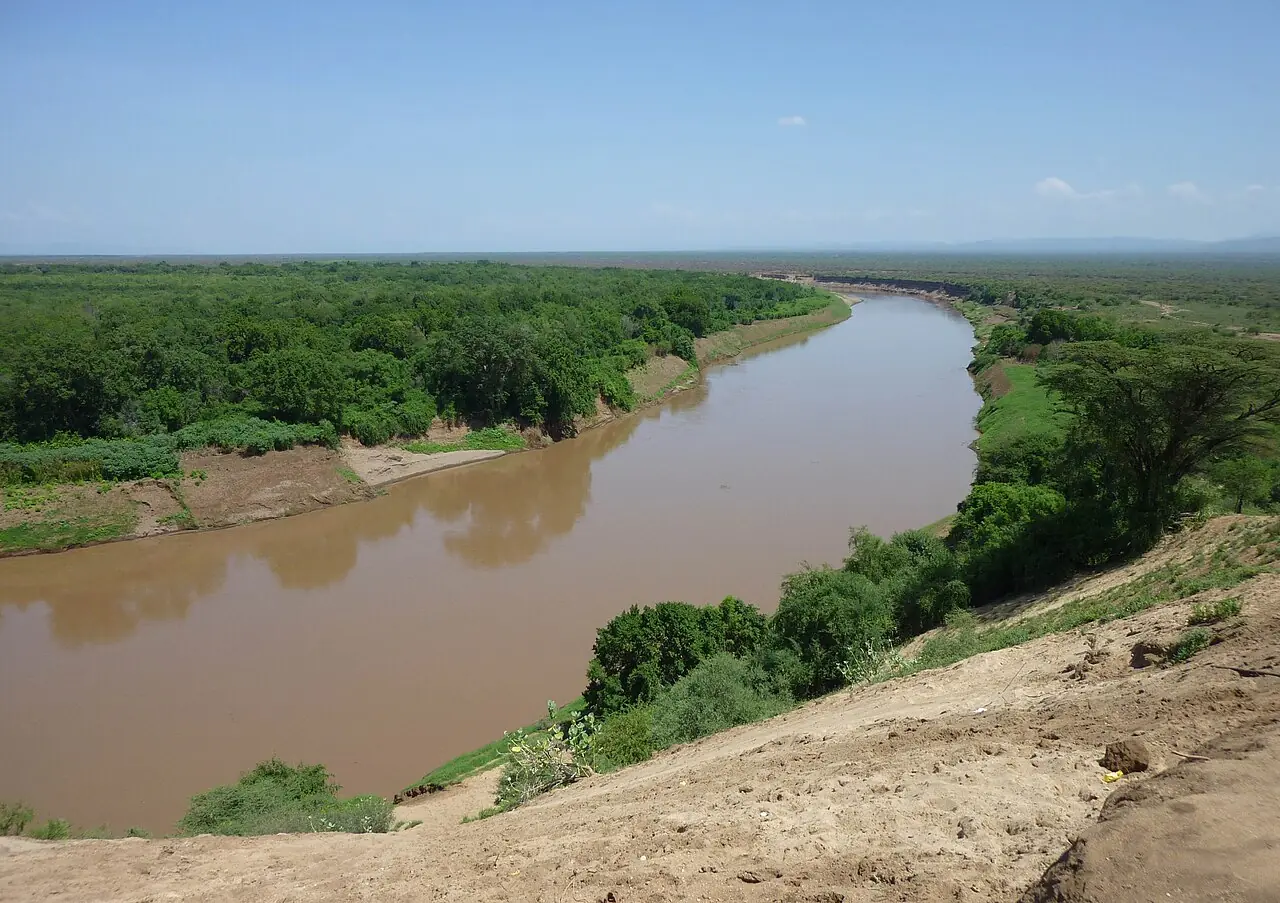 Photo: Bernard Gagnon · CC BY-SA 3.0
Published by Adama Doumbia, founder of Afrique Unie · updated 28 November 2026 · our method and sources
- Days 1-2
Addis Ababa, capital of the highlands
Perched at over 2,300 metres, Addis Ababa calls for a day of acclimatisation: walk slowly and drink plenty. Start at the National Museum, with its replica of Lucy, the australopithecine found in the Afar, then the Ethnological Museum, set in Haile Selassie's former palace on the university campus. Visit Holy Trinity Cathedral and Unity Park, laid out in the grounds of the imperial palace. The next day, head up into the Entoto hills for the view and the cool air, then dive into the Merkato, a vast market best visited with a guide. Finish with a coffee ceremony and a meal of injera with spicy wots.
- Day 3
The crater lakes of Bishoftu
About an hour south-east on the expressway, Bishoftu, also known as Debre Zeyit, is surrounded by crater lakes with green or blue water, set among fields of teff. Walk around Lake Hora, busy at weekends with families from Addis, then Lake Bishoftu or Lake Kuriftu, where you can watch pelicans, kingfishers and ibises. Have lunch on a terrace by the water, then return to the capital in the late afternoon. Every year, at the end of the rainy season, Lake Hora hosts Irreecha, the great Oromo thanksgiving festival: the town is then packed and access conditions may change.
- Days 4-6
Arba Minch, lakes Abaya and Chamo and the Dorze
The flight to Arba Minch takes about an hour and ten minutes; the town overlooks two large Rift Valley lakes, the reddish Abaya and Chamo. Take a boat trip on Lake Chamo to see hippos and the huge Nile crocodiles basking on the shore, then explore Nechisar National Park, between groundwater forest and zebra savannah. On another day, head up into the Chencha highlands, an hour's drive away, to visit the Dorze, known for their beehive-shaped bamboo huts and their weavers. Hire a local guide and check road conditions before each outing.
- Day 7
Flight to Jinka, gateway to the Omo
Rather than the road via Konso, an area some authorities advise against, fly to Jinka, usually via Addis Ababa: the day is taken up by this, depending on flight times. A small green town perched above the valley, Jinka is the gateway to the lower Omo Valley, a mosaic of peoples with very different languages and traditions. In the late afternoon, visit the South Omo Research Center, whose small museum presents the region's cultures, their adornments, rituals and history: a good introduction to the encounters of the following days. Then meet the licensed local guide who will accompany you.
- Days 8-9
The Omo Valley and its markets
With your guide and a driver, explore the Ari villages around Jinka, known for their pottery and terraced fields, then the region's weekly markets, such as the one at Key Afer, where several peoples meet; market days vary, so plan your stay around them. Markets are a more natural way to meet people than organised village visits. Mursi territory, the border area and the surroundings of Omorate are subject to official warnings: follow your guide's and the authorities' instructions strictly. Always ask permission before taking photos, and agree in advance on any payment.
- Day 10
Back to Addis Ababa and home
Take the flight from Jinka to Addis Ababa, leaving a comfortable margin before your international flight: small domestic planes can be delayed or rescheduled. If you have a few hours, take a last walk around the Piassa district, with its historic cafés and coffee roasters, to bring home some Ethiopian coffee, or visit Shiro Meda market, at the foot of Entoto, for traditional white embroidered fabrics. Travellers arriving on an international flight with the national airline have often been offered reduced fares on domestic flights: check this when booking the whole trip.
Getting around
Distances are immense and roads slow: flying is the best way to link Addis Ababa with Arba Minch and Jinka, on small aircraft that should be booked early. On the ground, you travel with a vehicle and driver, and a local guide is essential in the Omo Valley. Do not drive at night. The Amhara and Tigray regions, part of Oromia and the border areas are advised against, and the situation changes quickly in the south: check your government's official travel advice before you leave, and again before each journey.
When to do this trip
The dry season, from October to March, is the most favourable: clear skies and passable tracks in the Omo Valley. The main rainy season, from June to September, makes some southern tracks impassable, although Addis Ababa can still be visited. In late September, the Meskel and Irreecha festivals enliven the capital and Bishoftu. Thanks to the altitude, Addis Ababa stays cool all year round, while the Omo Valley is hot.
The travel notebook
The itinerary, practical information (entry, health, money, emergencies) and the checklist in a few pages, to print or keep offline on your phone.
Variations
- In 7 days: keep Addis Ababa, Bishoftu and Arba Minch, and drop the Omo Valley.
- In 14 days: add a few days of hiking in the Bale Mountains or a stop by the Rift Valley lakes, only if official advice allows it at the time of your trip.
- Coffee version: add a stop in a coffee-growing region of the south-west, by air, with visits to farms and washing stations, after checking official advice.