 AfriqueUnie
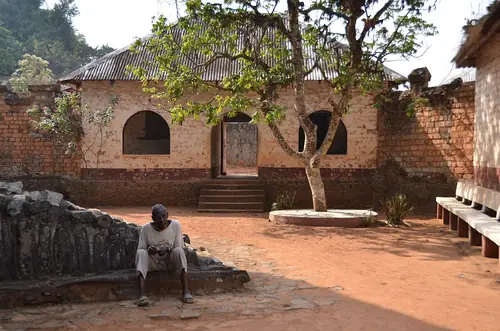
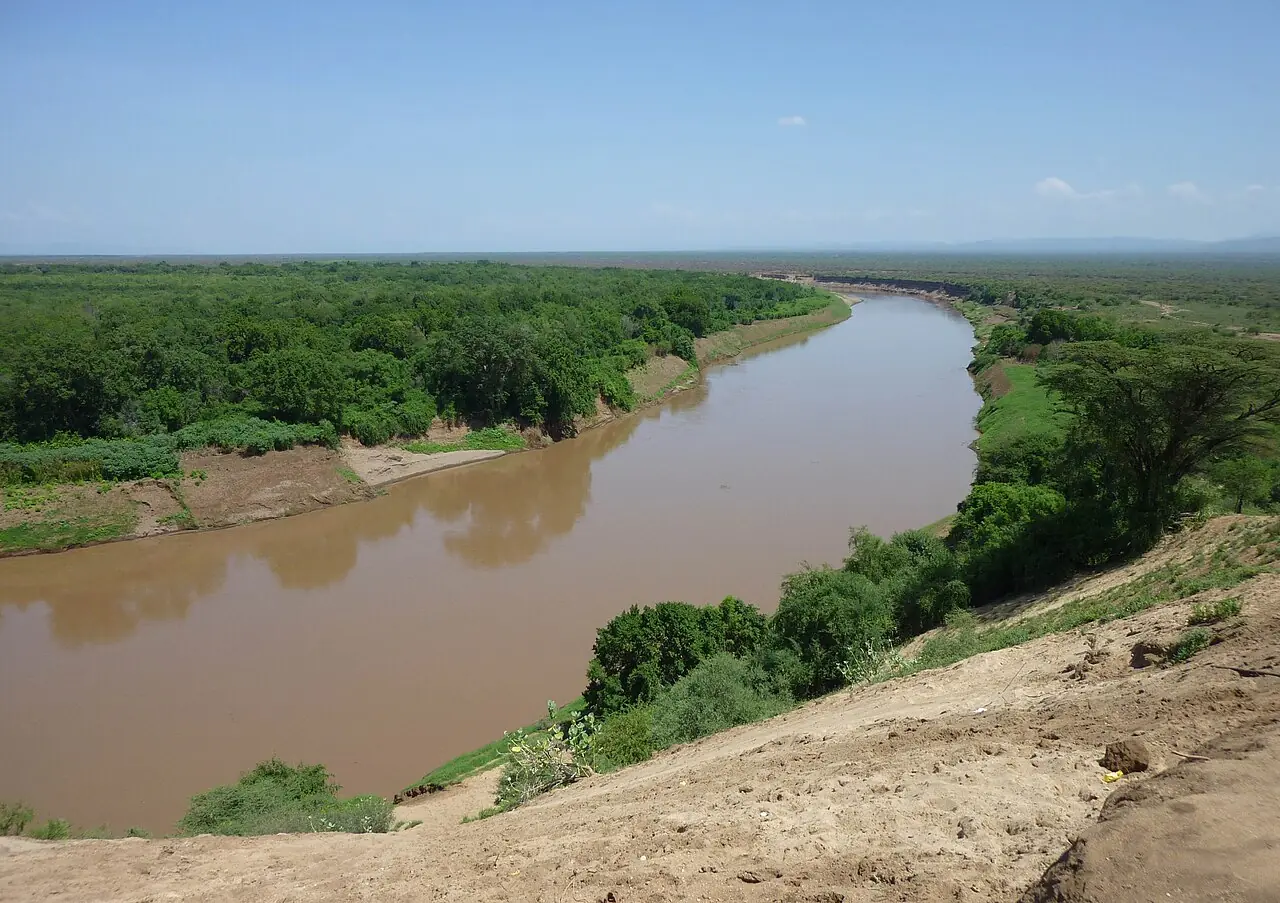 Photo: Bernard Gagnon · CC BY-SA 3.0
Published by Adama Doumbia, founder of Afrique Unie · updated 28 November 2026 · our method and sources
Why go
The Omo Valley, in south-western Ethiopia, close to the Kenyan and South Sudanese borders, is home to a great diversity of pastoralist and farming peoples, including the Mursi, the Hamar, the Karo, the Daasanach, the Ari and many others. Each has its own language, adornments, rituals and way of life. Mursi women are known for their lip plates, discs worn in the lower lip; the Hamar for their bull-jumping ceremony, a rite of passage for young men; the Karo for their body painting with white clay.
The Lower Valley of the Omo is also a UNESCO World Heritage Site for its hominid fossil deposits. But the region is undergoing major changes linked to hydroelectric dams on the Omo, large plantations and tourism. Photographic tourism here raises ethical questions: whistle-stop visits, conveyor-belt paid photos and sometimes unequal relationships. Travelling respectfully, with a local guide from the communities, helps you avoid these pitfalls.
Getting there
The usual entry point is the town of Jinka, linked to Addis Ababa by domestic flights, or Arba Minch, further north. From there you explore by 4x4 with a driver and a local guide, passing through market towns such as Turmi, Dimeka and Key Afer. Check your government's official travel advice on the region's border areas.

 Burundi
 Algeria
 Benin
 Cameroon