AfriqueUnie
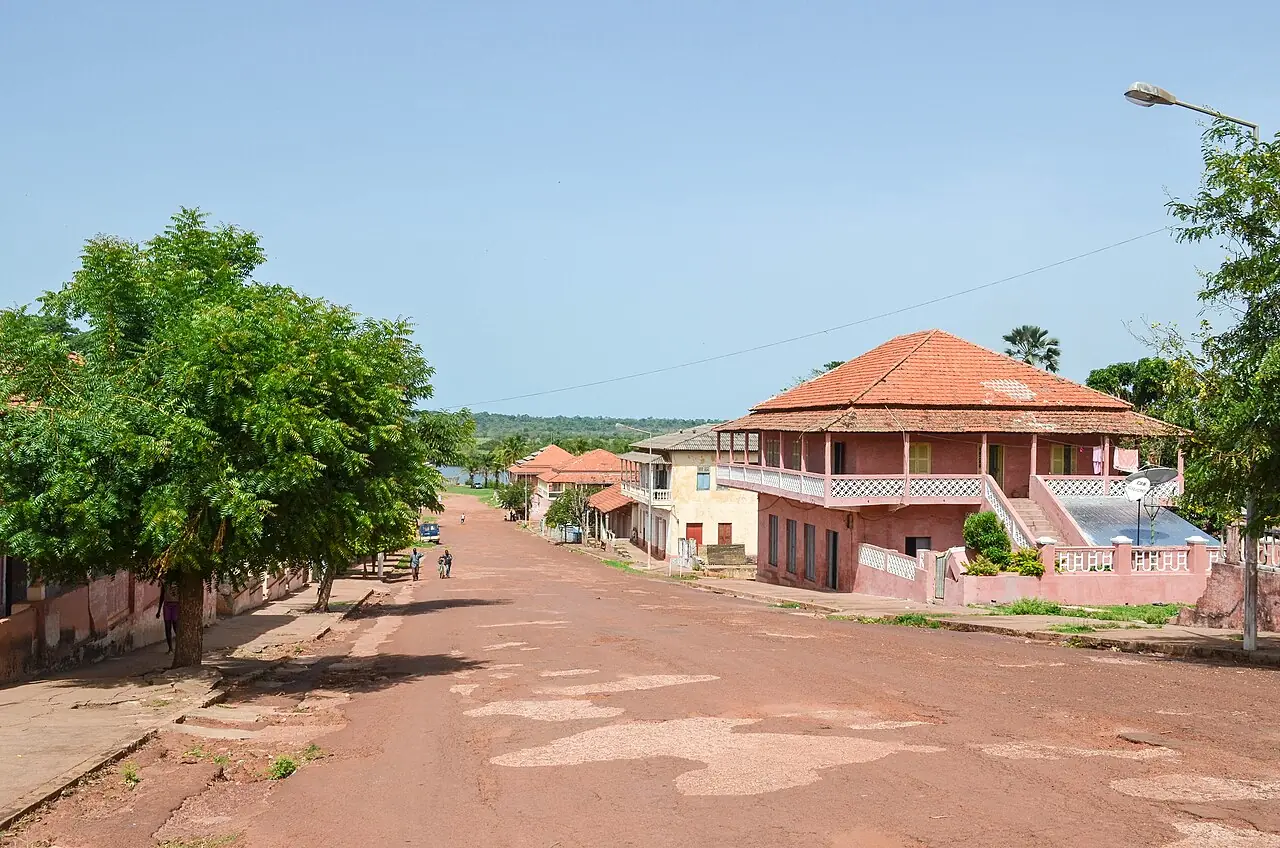 Photo: jbdodane · CC BY 2.0
Published by Adama Doumbia, founder of Afrique Unie · updated 28 November 2026 · our method and sources
Why visit Bafatá?
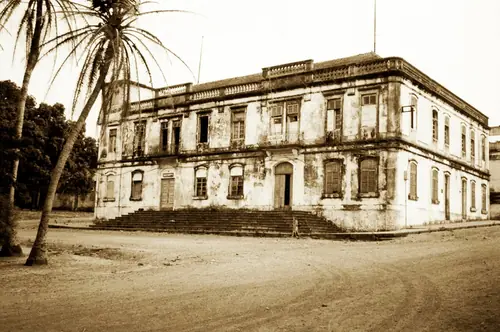
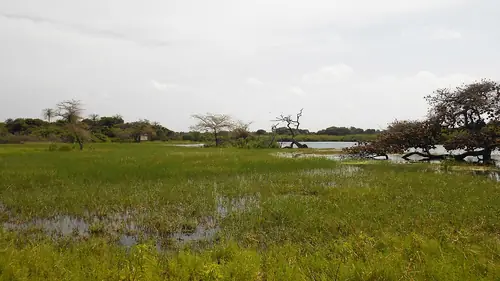
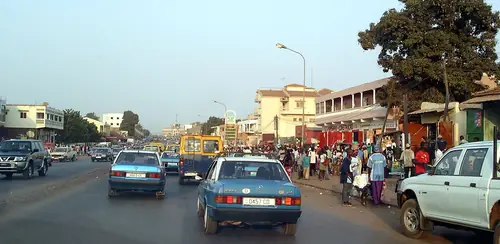
About a hundred and fifty kilometres east of Bissau, Bafatá rises in tiers above the Geba river, in a region of savannah and open woodland mainly home to Mandinka and Fula people. A small regional capital, it grew in the early 20th century, when the Portuguese administration moved its post here and built a market, port and bridge. Its colonial centre, with its cathedral, arcaded houses and faded façades, has kept a slightly crumbling charm, much like Bissau Velho.
Bafatá is best known as the birthplace of Amílcar Cabral, father of the independence of Guinea-Bissau and Cape Verde, born here in 1924, and his memory remains very present. People come to wander along the river, spend time at the market and soak up provincial life, and also as a stop on the way to Gabú and the parks of the east, such as Dulombi and Boé, with their savannah and hill landscapes.
Things to do in Bafatá: 5 ideas
- 01The colonial centreWalk the sloping streets of the old centre, between the cathedral, the old covered market and the arcaded façades.
- 02Amílcar Cabral's legacyLook for the independence leader's birthplace and the sites honouring him, with locals as your guides.
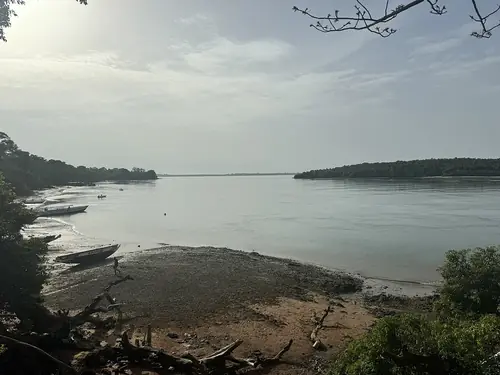
- 03The Geba portHead down to the river late in the day, when golden light bathes the canoes and the banks.
- 04The marketDiscover the region's produce, cashew nuts, kola, fabrics and dried fish, in a relaxed atmosphere.
- 05Heading eastOrganise a trip from Bafatá to Gabú, former capital of the Kaabu kingdom, or to the Dulombi and Boé parks.
Where to stay in Bafatá
Options are limited to a few simple guesthouses and small hotels, in the centre or on the heights above the river, which have the best views. The centre is handy for doing everything on foot. Comfort is basic and electricity intermittent: bring a head torch and a mosquito net.
 Guinea-Bissau