AfriqueUnie
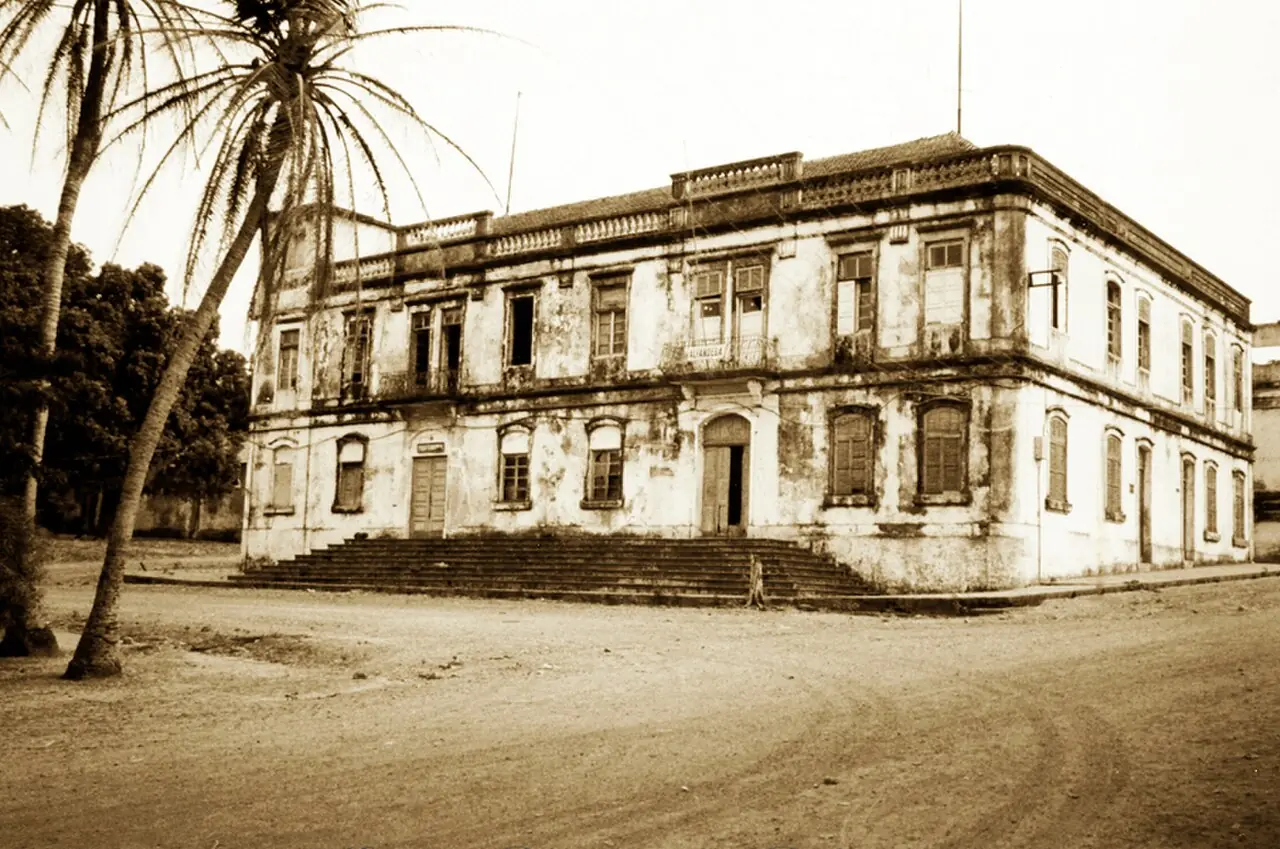 Photo: MCdeMtl · CC BY-SA 2.0
Published by Adama Doumbia, founder of Afrique Unie · updated 28 November 2026 · our method and sources
Why visit Bolama?
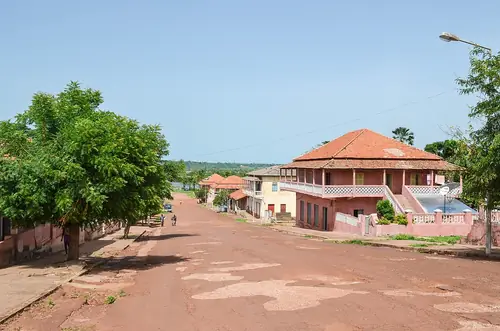
Bolama is one of the most moving living ruins in West Africa. Capital of Portuguese Guinea until 1941, when the administration moved to Bissau, the island saw its grand avenues empty, and the forest reclaimed its ground. Colonnades, the governor's palace, government buildings: it's all still there, overrun with roots and creepers, in a silence broken only by birds and children.
Yet Bolama is not a dead town. A few thousand people live here, tending their gardens, fishing and greeting the rare visitors with curiosity. The ruler-straight streets recall colonial ambition, and on the squares you'll come across surprising monuments, including a tribute to the American president Ulysses Grant, whose arbitration in the 19th century awarded the island to Portugal rather than Britain.
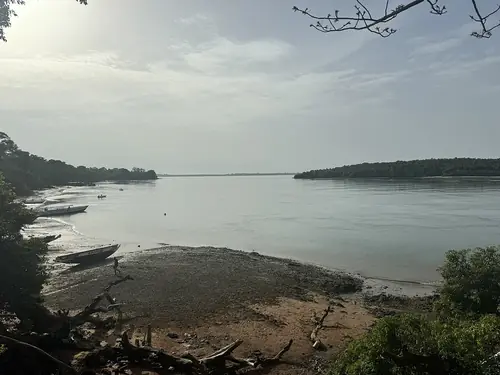
The island also reveals itself through its nature: deserted beaches, mangroves, cashew plantations. You can spend a day or two here by bike or on foot, taking time to chat with the locals, before heading on to the Bijagós archipelago, of which Bolama is the eastern gateway.
Things to do in Bolama: 6 ideas
- 01Explore the administrative quarterWander through the governor's palace and the colonial buildings smothered by vegetation, taking care around fragile structures.
- 02Seek out the Grant monumentTrack down this unexpected reminder of the 1870 arbitration, which tells the story of colonial rivalry over the island.
- 03Cycle to the beachesRent a bike from a local and ride to the beaches in the south of the island, often entirely empty of visitors.
- 04Watch life at the portIn the late afternoon, see the fishing pirogues come home and the catch being unloaded on the shore.
- 05Photograph the evening lightThe ochre façades and giant trees take on a golden hue just before sunset.
- 06Head on to the BijagósNegotiate a pirogue to the neighbouring islands and carry on exploring the archipelago, by day and in a boat with life jackets.
Where to stay in Bolama
Accommodation in Bolama is very limited: a few rooms in local homes or modest guesthouses, best booked through contacts in Bissau if possible. It's best to stay near the old centre, from where everything is within walking distance. Comfort is basic, electricity intermittent, and you'll need a head torch, a mosquito net and a supply of water.
Frequently asked questions
How do you get from Bissau to Bolama?
Bolama is reached by boat from Bissau, but there is no guaranteed scheduled service: departures depend on tides and demand. Ask at Bissau port several days ahead or go through local contacts. Check that the boat carries life jackets and avoid sailing at night.
How long should you stay in Bolama?
One or two days are enough to explore the colonial town and cycle to the beaches. As return trips to Bissau are never certain, build a margin of one or two days into your itinerary.
Is Guinea-Bissau safe for travellers?
Apart from the border area with Senegal, which is advised against except for essential travel, the country is under heightened vigilance. Since the electoral process was interrupted in late 2025, a military-backed transitional government has run the country: demonstrations are banned and you should keep away from any gathering. The French embassy has limited capacity, so repatriation insurance is essential.
What should you prepare before going to Bolama?
Bring enough cash in CFA francs, as there is no cash machine on the island, plus water, a head torch and a mosquito net. Also pack repellent, a first-aid kit and malaria prevention on medical advice, as health facilities are very limited.
When is the best time to visit Bolama?
The dry season, from November to May, is the best time, with a generally calmer sea for the crossings. From June to October heavy rain makes travel harder and can disrupt boat services.
 Guinea-Bissau