AfriqueUnie
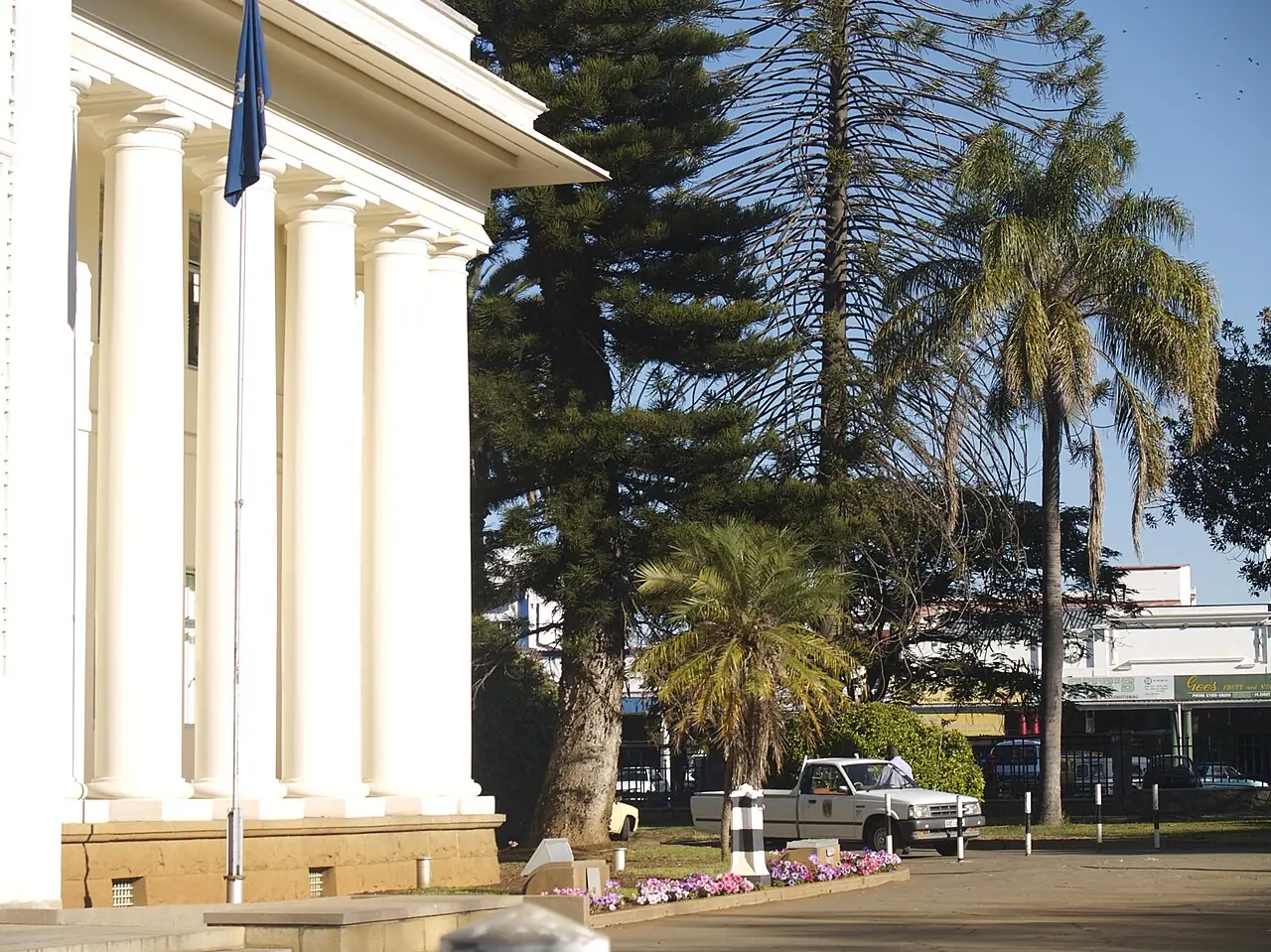 Photo: Scott.wheeler · CC BY 3.0
Published by Adama Doumbia, founder of Afrique Unie · updated 28 November 2026 · our method and sources
Why visit Bulawayo?
Zimbabwe's second city, Bulawayo has an old-fashioned charm that wins you over within hours. Its astonishingly wide avenues are said to have been laid out so that a span of oxen could turn round. The colonial facades with their verandas, the jacarandas and flame trees and the unhurried pace of the streets give the impression of a city that has taken its time. It is also the heart of Ndebele country: the city's name recalls the capital of King Lobengula, established nearby in the 19th century.
Bulawayo has the richest natural history museum in the country, with remarkable zoological and mineral collections, as well as a railway museum that tells of the days when the city was a vital rail hub in southern Africa. The local galleries and art centres are active, and there is a vibrant music scene.
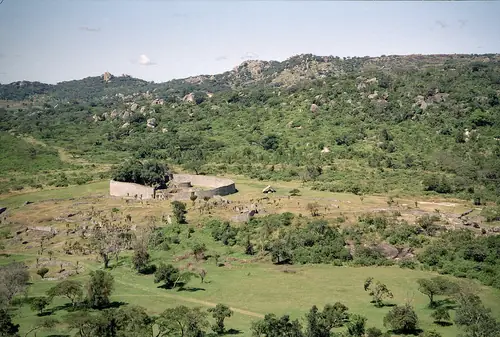
Above all, though, the city is an ideal base for exploring its surroundings: the Matobo Hills, less than an hour away, with their balancing rocks, rock paintings and rhinos, and the Khami Ruins, some twenty kilometres away, a UNESCO World Heritage Site that succeeded Great Zimbabwe.
Things to do in Bulawayo: 6 ideas
- 01The Natural History MuseumExplore the galleries devoted to the country's wildlife, geology and history.
- 02The Railway MuseumDiscover steam locomotives and historic carriages from the great age of rail.
- 03Matobo National ParkTrack rhinos on foot and see the rock paintings in the granite shelters.
- 04World's ViewClimb to the top of Malindidzimu, where Cecil Rhodes's grave lies, for the panorama over the hills.
- 05The Khami RuinsExplore the stone terraces of this former capital, often deserted.
- 06The colonial city centreWander among the City Hall, the markets and the arcaded buildings.
Where to stay in Bulawayo
The residential areas of Suburbs and Hillside, east and south of the centre, are the most pleasant places to stay: guesthouses set in gardens, guaranteed peace and quiet and a few restaurants. The city centre has older hotels, handy for sightseeing on foot. To make the most of Matobo, it is worth spending at least one night in a lodge or campsite among the hills, as close as possible to the trails and rocks.
See places to stay in Bulawayo
Frequently asked questions
How many days should you stay in Bulawayo?
Three days is a good balance: a day in town for the museums, half a day at the Khami Ruins and at least one full day in Matobo. Add a night in the hills if you want to track rhinos early in the morning.
How do you get to Matobo National Park from Bulawayo?
Matobo National Park begins about 30 km south of the city, around 45 minutes on a tarred road. An entry fee applies. Without a car, join an organised excursion, which also makes rhino tracking easier to arrange.
Can you approach rhinos on foot in Matobo?
Yes, but only with a licensed professional guide, who tracks the animals on foot and decides how close to go. Follow their instructions strictly; outside these guided walks, the French government reminds visitors never to get out of the vehicle on safari. Wear neutral colours and sturdy shoes.
When is the best time to visit Bulawayo?
From April to October the dry season brings clear skies and easier wildlife viewing, with chilly nights in June and July. Jacarandas bloom around September and October, just before the hottest weeks. From November to March thunderstorms make some of Matobo's tracks harder going.
Is Bulawayo safe?
Bulawayo has a reputation as a calm city, and crime is generally low in Zimbabwe according to the French government. Watch out for bag snatching in the centre, especially in the evening, and when leaving banks or cash machines. Avoid moving around at night, on foot or by road, because of poor lighting and livestock.
 Zimbabwe